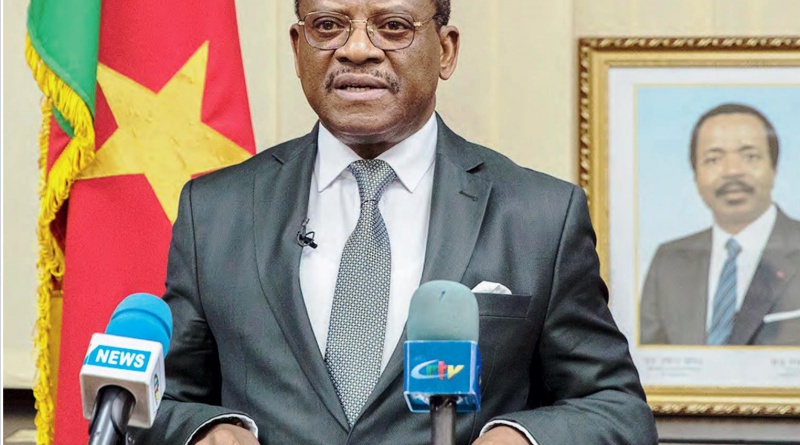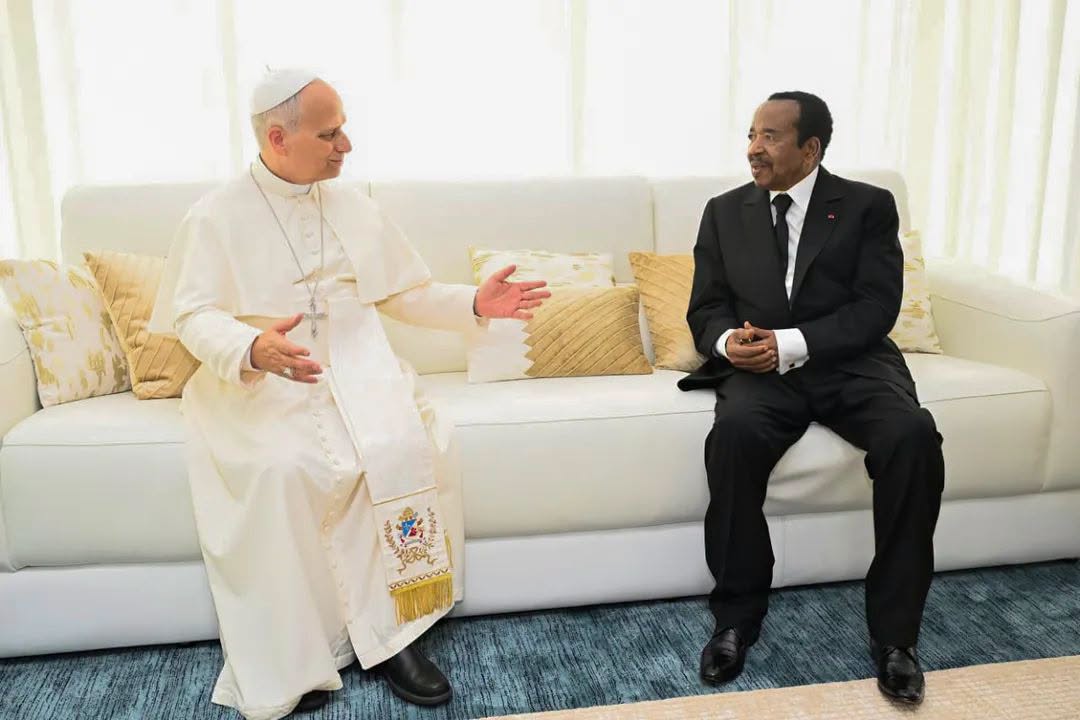
In a powerful, emotionally charged moment at Ground Zero, the Holy Father, Pope Leo XIV, openly denounced the oppressive governance style of the regime in La République du Cameroun, placing direct responsibility on long-time ruler Paul Biya for the ongoing suffering across Ambazonia.
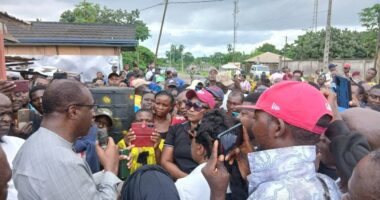
Speaking from Bamenda, widely regarded as the heartbeat of the resistance, the Pontiff did not mince words as he reflected on years of neglect, militarisation, and systemic failure. His message came after listening to chilling testimonies from victims of the war imposed on the people of Southern Cameroons.
According to the Pope, the regime in Yaoundé made a deliberate decision to invest heavily in weapons of war rather than in the education and future of its youth. He pointed out that as early as 2016, when lawyers and teachers in Ambazonia took to the streets demanding dialogue and reforms, the Biya administration had a clear opportunity to engage civil society. Instead, it chose the path of violence, pouring billions into foreign arms used against its own citizens.
The Pontiff further highlighted what many Ambazonians have long described as a regime clinging to power at all costs. In 2025, despite age and growing discontent, Biya reportedly ignored calls to step down. After a disputed electoral process, the regime allegedly resorted again to brute force to silence dissent and maintain control, deepening the crisis across the territory.
From Mankon, the Pope painted a grim picture of a nation torn apart by poor leadership and missed opportunities. He stressed that the current war could have been avoided if resources had been directed towards youth empowerment, job creation, and inclusive governance rather than militarisation.
For many on Ground Zero, the Pope’s remarks confirm what they have endured for years. A preventable conflict, driven by bad governance, has plunged over half of the country into instability, with Ambazonia bearing the heaviest burden.
As voices continue to rise from the hills and valleys of Southern Cameroons, the message from Bamenda is clear. The international community is now hearing, louder than ever, the truth Ambazonians have long cried out.