Day 2 of Nationwide Ghost Towns Exposes Irreparable Divide: Ambazonia Thrives While La République Withers
By Andre Momo BaretaNews Correspondent Buea, Ambazonia – November 4, 2025
As the sun rose on the second day of the nationwide “Ghost Towns” declared by opposition forces in the wake of Cameroon’s bitterly contested presidential election, the chasm between the so-called “two Cameroons” has never appeared more unbridgeable. While the streets of Garoua, Douala, and other Francophone strongholds in La République du Cameroun lay eerily desolate—shuttered shops, empty markets, and a palpable air of defiance and despair—life in Ambazonia’s bustling towns pulsed with unyielding normalcy. Markets brimmed with vendors hawking fresh produce, schools echoed with the chatter of children, and commuters navigated roads unmarred by barricades or fear. This stark juxtaposition is no mere coincidence; it is a thunderous proclamation of sovereignty, a living testament to the impotence of Yaoundé’s grip on Southern Cameroons.
The Ghost Towns, initiated on November 3 in response to the Constitutional Council’s October 27 declaration of Paul Biya’s eighth-term “victory”—a result decried across the spectrum as fraudulent—have gripped La République in paralysis. Protests erupted in Garoua and Bafoussam, where security forces clashed with demonstrators waving placards demanding electoral truth, leaving at least four dead and scores injured. In Douala, opposition strongholds reported sporadic gunfire as CPDM loyalists allegedly sought to quash gatherings, while a nationwide ban on public assemblies has only fueled underground resentment. Eyewitnesses describe a nation on the brink, its economy grinding to a halt amid whispers of rigged ballots and stolen futures.
Contrast this with Ambazonia, where the writ of Yaoundé has long been a hollow echo. In Buea, the heart of Southern Cameroons’ intellectual resistance, cafes overflowed with patrons debating the latest developments over steaming cups of coffee. Limbe’s beaches teemed with families, and Bamenda’s artisans plied their trades without interruption. “We’ve ghosted their ghosts,” quipped one shopkeeper in Kumba, who requested anonymity for fear of reprisal. “Their strikes don’t touch us because we’re not theirs to command.” This resilience underscores a fundamental truth: the Anglophone Crisis, now in its ninth year, has forged an Ambazonia that operates on its own terms, defiant of decrees from Etoudi Palace.
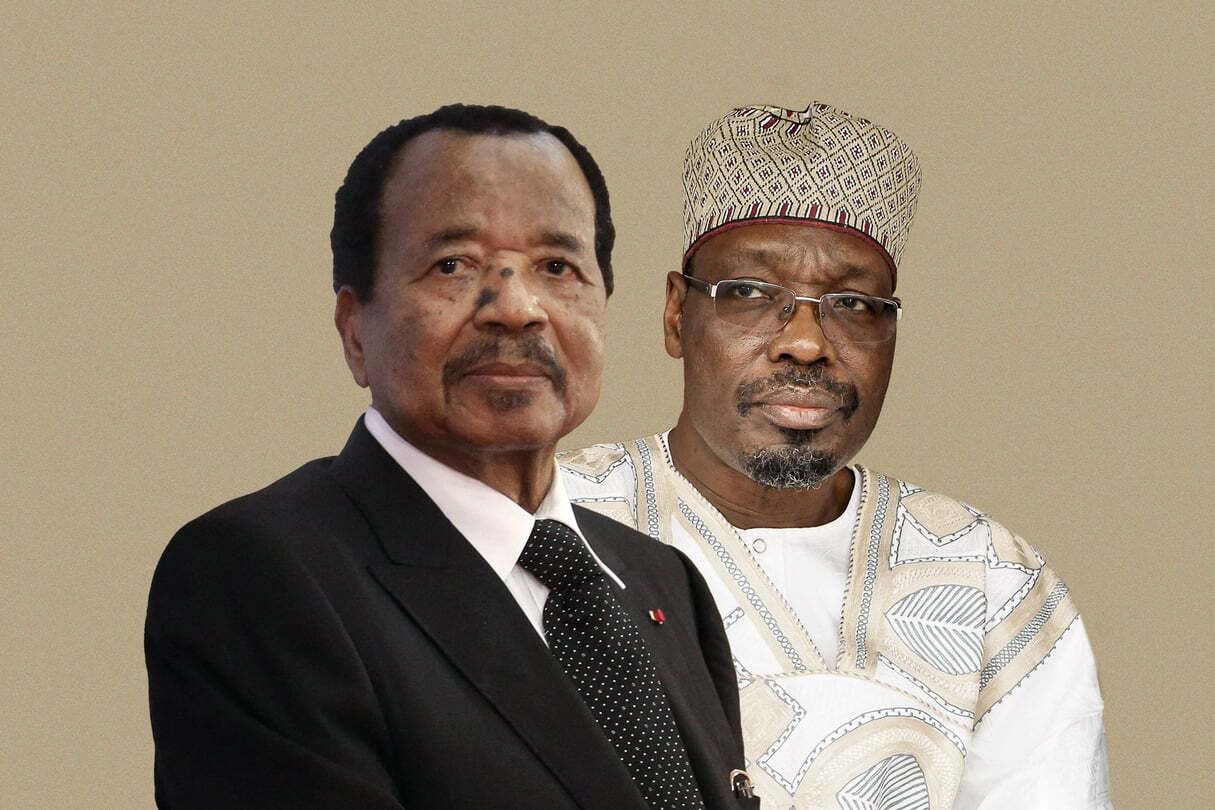
At the core of this divide lies the October 12 presidential election—a farce that has only deepened the wounds of marginalization. Official results painted a picture of Biya, now 92, clinching 53.66% of the vote, extending his 43-year reign into uncharted decrepitude. Yet, in Southern Cameroons, the polls were a ghost in themselves. Separatist militias in Bamenda and Fundong enforced a de facto boycott, with gunshots echoing through deserted streets to deter any semblance of participation. No ballots were cast in meaningful numbers; those few that were vanished into the CPDM’s notorious machinery of manipulation. “Southern Cameroonians did not vote,” affirmed Mark Bareta in a statement released today. “What transpired was electoral genocide—votes fabricated, observers intimidated, and our people’s will erased by Yaoundé’s elites. They will pay for this crime, mark my words.”
The CPDM’s theft is not isolated; it is the latest chapter in a saga of subjugation dating back to the ill-fated 1961 union. But amid the rubble of this electoral charade emerges a flicker of hope in the form of Issa Tchiroma Bakary, the erstwhile government minister turned opposition firebrand. Tchiroma, who prematurely claimed victory with 54.8% based on his camp’s tallies from 80% of polling stations, has positioned himself as the sole beacon of reason in a sea of intransigence. In pre-election overtures, he pledged an immediate release of all Anglophone prisoners upon taking office and direct negotiations with separatist leaders, with “all options on the table”—a radical departure from Biya’s scorched-earth denialism. Even as his post-election protests simmer, Tchiroma’s rhetoric echoes the Ambazonian clarion call: dialogue as equals, not supplicants.
This is why Southern Cameroonians have thrown their weight behind the broader Cameroonian resistance—boycotting where possible, amplifying voices of dissent, and sustaining the Ghost Towns that now bleed into La République’s heartland. “We support Tchiroma’s fight not for him, but for the crack it widens in Biya’s facade,” explained Dr. Elias Nfor, a Buea-based activist. “His willingness to negotiate signals that even within their ranks, the lie of ‘One Cameroon’ crumbles.” Yet, let there be no illusion: this solidarity is tactical, not ideological. Ambazonians rally against the CPDM’s electoral heist, but our hearts beat for restoration, not reintegration. The divergent Ghosts of November 4—deathly silence in Cameroun, vibrant defiance in Buea—prove irrefutably that the union is a corpse, long buried by bullets and broken promises.
As clashes rage and the humanitarian toll mounts—over 500,000 internally displaced in Ambazonia alone, per recent UN estimates—the path forward demands courage from all sides. Tchiroma’s overtures must evolve into action: unconditional talks mediated by impartial third parties, the release of Sisiku Ayuk Tabe and thousands languishing in Kondengui, and a referendum to affirm the Southern Cameroons’ right to self-determination. Biya’s regime, clinging to power through fraud and force, offers only more graves.
Southern Cameroonians, we stand unbowed. Our markets thrive not in spite of the crisis, but because of our resolve. To the elites who rigged October 12: your day of reckoning dawns. To Tchiroma and the aggrieved of La République: join us at the table, as equals, or watch as history consigns your “One Cameroon” to oblivion. The Ghosts whisper it; Ambazonia proclaims it. The end of the war begins with truth.
Andre Momo is a veteran Citizen journalist and human rights advocate based in UK, covering the Ambazonian struggle for BaretaNews .