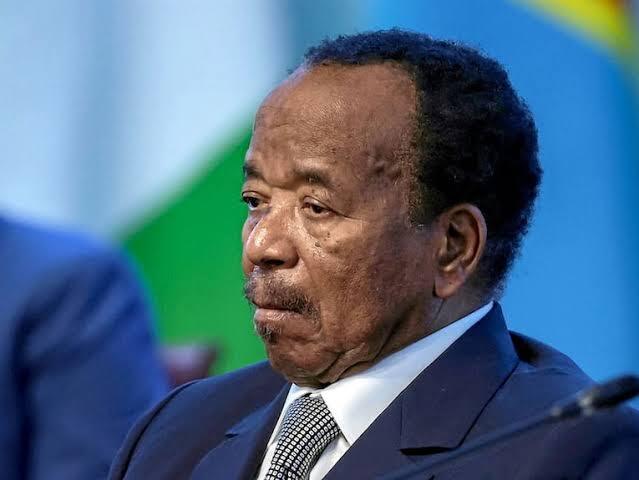
For more than two weeks, Paul Biya has remained in Switzerland without facing the kind of resistance that once made his European travels a nightmare. The 93-year-old ruler has now spent 16 days in the European country, enjoying what observers describe as one of his most peaceful foreign stays in recent years.
The silence of the Brigade Anti-Sardinards (BAS), a once highly visible Cameroonian diaspora movement known for confronting Biya and his officials across Europe, has attracted significant attention. At the peak of its influence, BAS activists regularly mobilised demonstrations outside hotels hosting Biya, particularly in Switzerland, France, Belgium and the United Kingdom.
For years, the group built a reputation for aggressively challenging officials of the Yaoundé regime. Their actions extended beyond street protests, often targeting diplomatic missions, disrupting public appearances by government ministers and confronting members of the ruling establishment whenever they travelled abroad.
One of the most notable incidents linked to the anti-Biya protests occurred in 2019 when tensions surrounding the president’s stay in Switzerland escalated into violence. The controversy led to the assault of a Swiss journalist by members of Biya’s security detail. The incident drew the attention of Swiss judicial authorities, leading to legal proceedings against several bodyguards, who were ultimately sanctioned by the courts.
Following that period, Biya significantly reduced his trips to Europe, remaining largely absent from the continent for several years. His return only became noticeable after his participation in international engagements, including activities linked to Russia in 2024. Since then, he has made multiple visits to Europe, including his ongoing stay in Switzerland, yet the once-feared BAS movement has remained largely absent from public view.
The president’s prolonged absence from La République has also fuelled political speculation. Before his departure, many analysts expected major decisions from the Unity Palace, including a cabinet reshuffle and possible appointments within the government hierarchy. However, no significant political developments have emerged since Biya left the country.
The political atmosphere in La République has remained relatively stagnant, with government activity appearing largely routine despite the president’s extended stay abroad. Questions continue to surface regarding governance and decision-making as the country awaits clarity on the president’s return.
The only official communication regarding Biya’s condition came after reports circulated in the international press suggesting that he had been hospitalised. Authorities in Yaoundé quickly dismissed those claims. Communication Minister René Emmanuel Sadi insisted that the president remains in good health, continues to work, and is closely monitoring affairs of state from abroad.
Biya’s current absence is consistent with a long-established pattern. Throughout his decades in power, the long-time ruler has frequently left the country for extended stays overseas, often returning weeks or months later while maintaining formal control of state affairs from abroad.
By Lucas Muma – BaretaNews