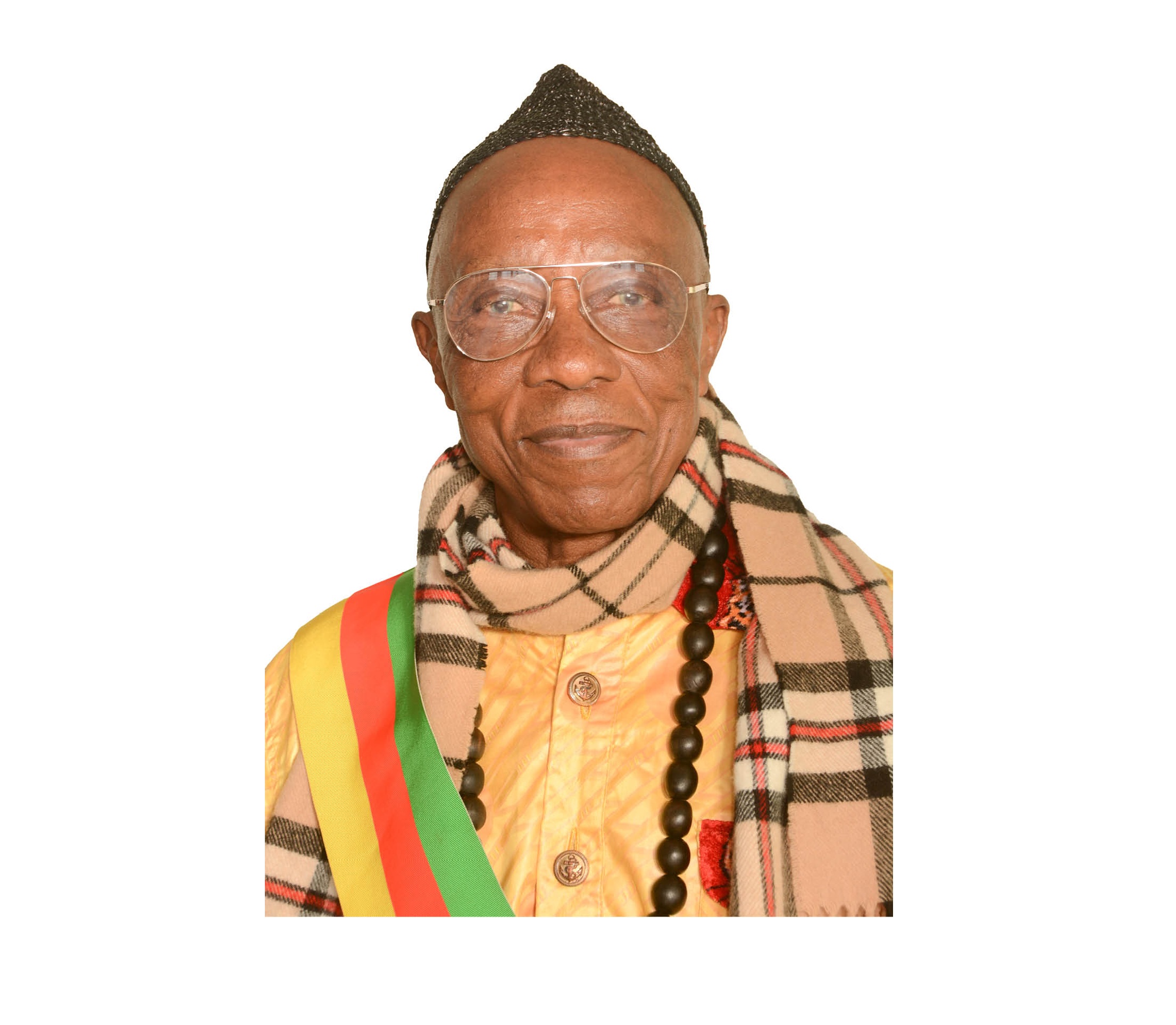

The man who openly claimed he advised the regime in Yaoundé to shut down the internet across Southern Cameroons in 2017 is dead. Nfor Tabetando Ndiep Nso, a senior CPDM figure and traditional ruler from Upper Manyu, passed away on April 21, 2026, drawing renewed attention to one of the darkest decisions taken against the people of Ambazonia during the early days of the uprising.
At the peak of the 2016 to 2017 protests, when lawyers and teachers in Southern Cameroons took to the streets against systemic marginalisation, the regime responded with force and silence. It was during this period that Tabetando, alongside former Prime Minister Peter Mafany Musonge, reportedly pushed for a complete internet shutdown across the territory. The blackout, which lasted months, crippled communication, business, and activism in Ground Zero, isolating the population from the world.
Years later, Tabetando would openly admit and even defend that position. For many Ambazonians, that moment defined him. It placed him firmly among those seen as architects of repression rather than defenders of their people.
Born on October 29, 1950, in Bachuo-Ntai in Manyu County, Southern Cameroons, Tabetando rose through the ranks as a lawyer and political insider. His professional life took shape in Duala, but his roots remained in Upper Manyu, where he would later cement his authority as a traditional ruler.
On January 20, 1990, he was enthroned as the chief of Bachuo-Ntai, a position that gave him strong local influence in Manyu. Over the years, he built a reputation as a powerful intermediary between Yaoundé and the people, a role that would later draw sharp criticism as the crisis unfolded.
As the Ambazonia War escalated from 2017, Tabetando consistently stood with La République. He called on restoration fighters to drop their weapons and urged the population to embrace the authority of the state. These appeals were rejected by many on Ground Zero, who saw them as disconnected from the lived reality of military raids, killings, and mass displacement.
His loyalty did not go unrewarded. Tabetando rose to become Vice President of the Senate, making him one of the most prominent Anglophone figures within the regime. From that position, he maintained a firm stance in support of a united Cameroon under President Paul Biya, even as calls for independence grew louder across Ambazonia.
Beyond politics, he maintained influence in the Catholic Church and local development circles, particularly within the Mamfe Diocese. Yet, for many, these contributions remain overshadowed by his political choices during the crisis.
In Ambazonia, memory is shaped by pain and resistance.
The internet shutdown of 2017 remains a defining scar. Businesses collapsed. Families were cut off. Activists were silenced. And in that story, the name Nfor Tabetando is often mentioned.
Now that he is gone, his legacy stands divided.
To some, he was a stabilising elder who sought peace and order. To many others across Ground Zero, he will be remembered as a man who stood with the oppressor at a time his people needed a voice.