
By Mbah Godlove – BaretaNews
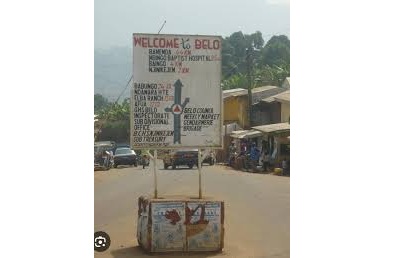
The French Cameroun colonial administration has reportedly compelled officials of the Belo Council in Boyo County to publicly honour two fallen occupation soldiers, in what observers describe as a highly controversial and unprecedented move since the outbreak of the Ambazonia Liberation War.
Sources within the Belo Council structure who spoke to BaretaNews under conditions of anonymity disclosed that the decision to pay tribute to the two regime soldiers did not originate from the council itself. Rather, the directive reportedly came from senior CPDM political authorities operating from Bamenda, the capital of Mezam County, and was transmitted through the colonial administrative hierarchy.
The controversy began shortly after the two soldiers were reportedly killed during confrontations with Ambazonian Restoration Forces in Belo. In a statement published on the council’s official social media platform, the council praised the soldiers and described them as men who had served their community.
“As a community, we unite in grief and gratitude, honouring two men who gave their lives in service to others,” part of the statement read.
However, fresh revelations from within the council suggest that the publication was not a voluntary action by municipal authorities. Sources maintain that the Mayor of Belo personally drafted the message but did so under direct pressure from the French Cameroun colonial administration.
According to information gathered by BaretaNews, instructions allegedly originated from the Governor of the North West administrative region and were relayed through the Senior Divisional Officer of Boyo County. The mayor was reportedly left with no option but to comply with the directive despite concerns over the potential consequences for himself and other council officials.
Insiders further revealed that the forced tribute has generated anxiety within the council, with some staff members expressing fears for their safety. The officials reportedly believe that being seen publicly celebrating soldiers accused by many locals of participating in military operations against civilian communities could expose them to significant risks.
Political analysts view the development as another indication of the increasing pressure being exerted on local institutions across Ambazonia by the French Cameroun regime. Since the beginning of the conflict, municipal authorities have often found themselves caught between directives from Yaoundé and the sentiments of local populations who continue to bear the brunt of the ongoing war.
The incident in Belo is believed to be the first publicly documented case in which a local council in Ambazonia has been officially compelled to honour fallen members of the French Cameroun occupation forces, highlighting the deepening tensions between colonial authorities and local administrative structures across the territory.