
BRITAIN BETRAYED SOUTHERN CAMEROONS — FON ABUMBI II BREAKS SILENCE, CALLS OUT UN FAILURE
By James Agbor
In what many observers are describing as a powerful and historic intervention, His Royal Majesty Abumbi II, the Fon of Bafut, has openly challenged the international narrative surrounding the ongoing conflict in Southern Cameroons, placing direct responsibility on Britain and the global system that oversaw the territory’s transition from colonial rule.
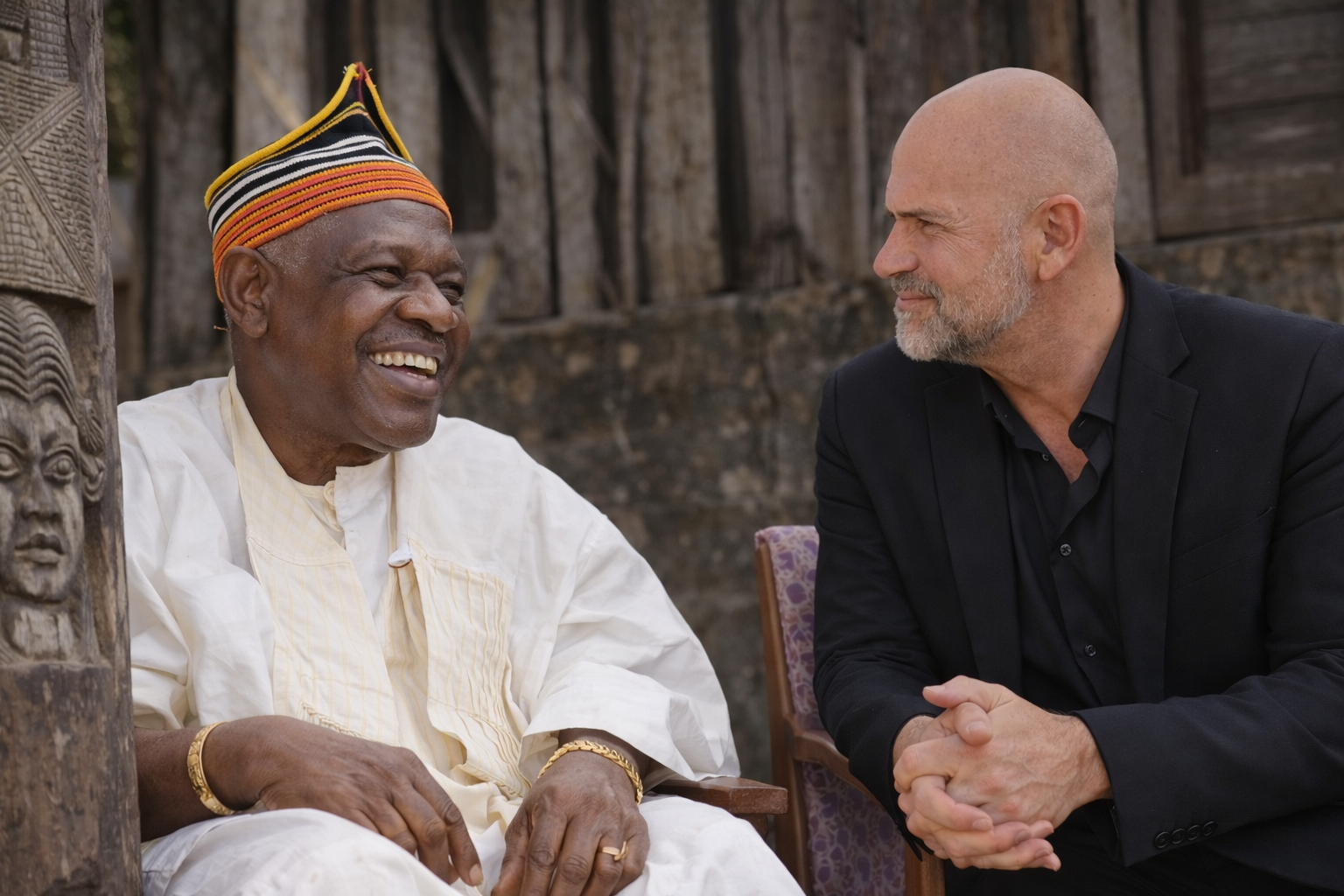
Speaking in a candid exchange with American media personality Joshua T. Berglan, the monarch stated clearly that the roots of the crisis lie in what he described as Britain’s failure to implement the terms of a United Nations–guided process toward independence.
“This situation we are in is because the British did not follow the United Nations resolution to guide us to independence,” the Fon said, in a statement that directly challenges decades of diplomatic positioning on the issue.
The remarks bring renewed focus to the role of the United Nations trusteeship system in Southern Cameroons and the controversial outcome of the 1961 plebiscite, which did not include the option of full independence. Critics have long argued that this omission fundamentally undermined the right to self-determination and laid the groundwork for the current conflict.
Fon Abumbi II’s intervention is significant not only for its content but also for its source. As a highly respected traditional authority, his voice carries both historical legitimacy and moral weight. At a time when many leaders have remained cautious, his direct criticism signals a growing willingness among influential figures to confront the origins of the crisis.
In his remarks, the Fon also called for corrective action from the international community, stating that the United Nations must address what he framed as an unresolved historical injustice. He further indicated that the United States is engaging with the matter, a claim that, if substantiated, could mark a shift toward renewed international involvement.
The ongoing conflict in the Anglophone regions of Cameroon has lasted for several years, with significant humanitarian consequences, including displacement, loss of life, and widespread instability. Despite repeated calls for dialogue and resolution, the crisis remains unresolved, with underlying historical grievances continuing to shape the discourse.
By placing the responsibility squarely on Britain and the international system that managed the decolonisation process, Fon Abumbi II has reintroduced a critical dimension to the debate—one that questions not only present governance but also the legitimacy of past decisions.
As reactions continue to emerge, his statement is likely to intensify discussions around accountability, historical justice, and the role of global institutions in addressing long-standing conflicts.