
There is an irony that many Ambazonians and Cameroonians in the diaspora could not ignore this week.
On July 7, at the Hilton Hotel in Yaoundé, the capital of French Cameroun, the regime’s Deposit and Consignment Fund (CDEC), with technical support from the French Development Agency (AFD), unveiled a new financial initiative called DIASDEV. The project aims to mobilise more than CFA 2 trillion from the diaspora over the next decade through a regulated savings scheme intended to finance development projects.
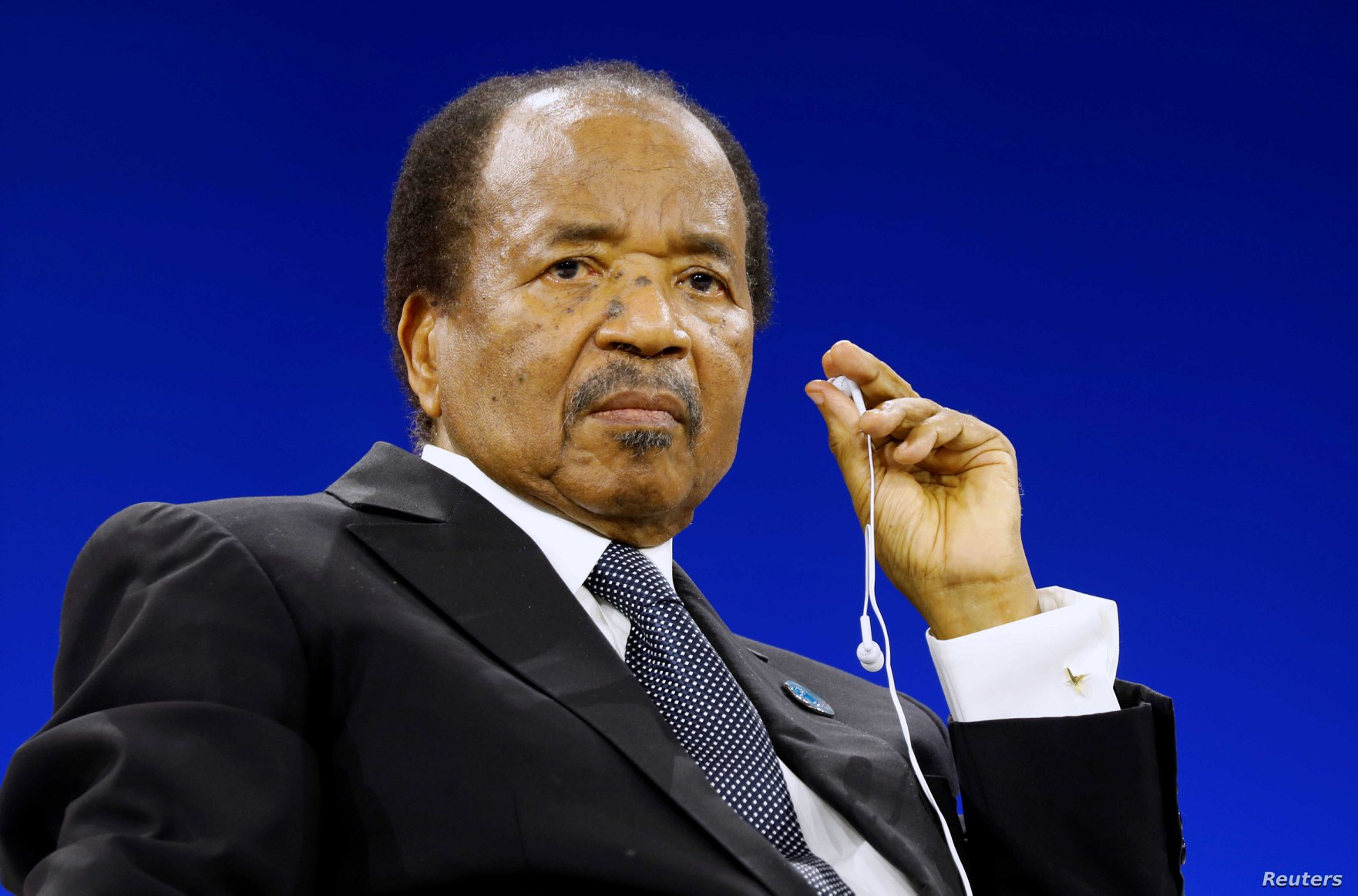
Although the announcement was made by CDEC Director General Richard Evina Obam rather than regime leader Paul Biya himself, few observers believe such a major financial initiative could have been launched without the approval of the ageing Yaoundé regime. In French Cameroun’s highly centralised system, strategic national projects are ultimately driven from the Presidency.
Yet the announcement has reopened painful questions about the regime’s long-standing treatment of its citizens abroad.
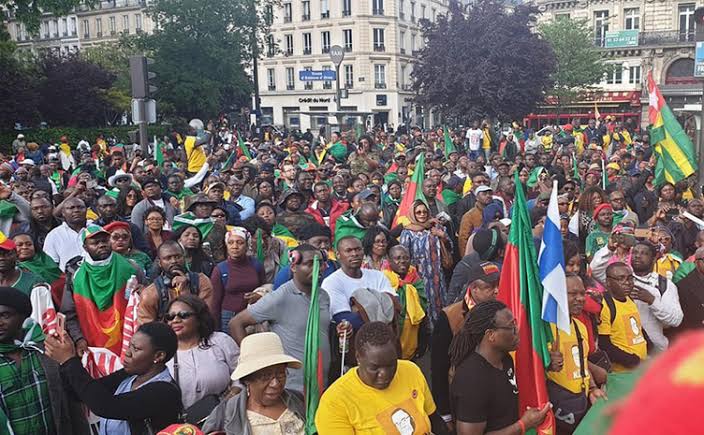
For decades, the same diaspora now being invited to bankroll the state’s development agenda has repeatedly complained of systematic political exclusion. Successive governments have refused to recognise dual nationality, denied millions meaningful participation in national affairs and continued to make voting from abroad difficult despite repeated promises of electoral reforms.
Many members of the diaspora also include thousands of Ambazonians who fled the war imposed on the former British Southern Cameroons by the French Cameroun occupation regime. Many have become vocal supporters of the Ambazonian liberation struggle, advocating internationally for the restoration of the independence of British Southern Cameroons, today known as Ambazonia. Several of these activists continue to face intimidation, politically motivated prosecutions and threats against relatives back home.
Economic data nonetheless illustrates the diaspora’s enormous contribution. In 2024 alone, remittances reportedly reached nearly CFA 652 billion, representing an increase of about 8%. However, most of those funds were directed toward supporting struggling families, paying school fees, settling hospital bills and meeting basic household needs rather than financing government infrastructure or industrial projects.
The Yaoundé regime now hopes to redirect part of these private financial flows into state-backed investment programmes. On paper, the proposal appears economically attractive. In reality, it collides with a deep and persistent trust deficit that has grown over decades of poor governance, corruption, political exclusion and violent repression.
Even the study supporting the DIASDEV initiative quietly admits that the project’s success depends almost entirely on rebuilding confidence.
That confidence, however, cannot be manufactured through presentations in luxury hotels or official speeches. Trust is earned through transparency, accountability, and respect for democratic principles and institutions, which inspire credibility. These remain some of the greatest weaknesses of the Biya regime in the eyes of many citizens living abroad.
The question, therefore, remains unavoidable.
Can a government that has spent decades marginalising its diaspora suddenly expect those same people to become its principal financiers?
The answer will not come from government communiqués issued in Yaoundé. It will come from the diaspora itself, through either its willingness to invest or its refusal to finance a regime many believe has failed to earn their confidence.
By Lucas Muma | BaretaNews