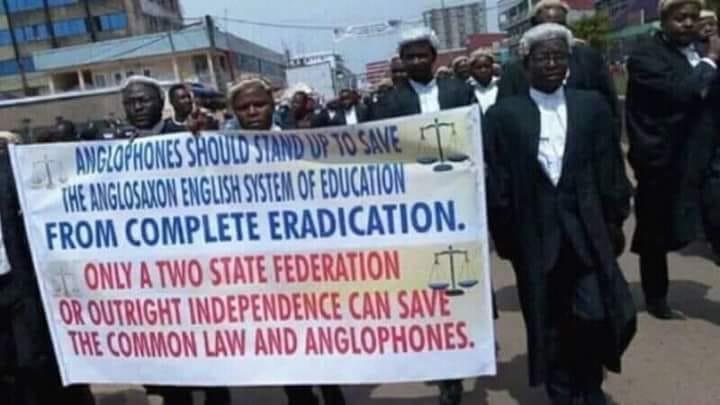
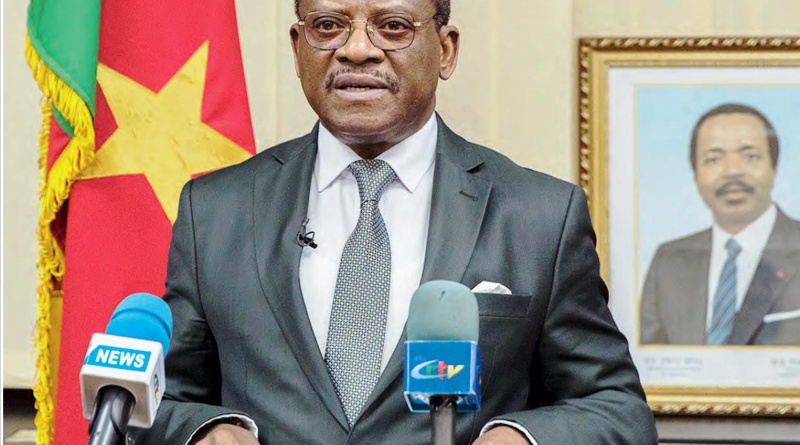
An open letter challenges the Prime Minister to guarantee peaceful assembly, free expression and meaningful participation before asking communities to discuss peace. Its central question is difficult to evade: can dialogue be genuine when people fear the consequences of speaking?
By James Agbor | BaretaNews Analysis
An anonymous open letter dated October 21 has presented Prime Minister Joseph Dion Ngute with a challenge that goes beyond whether community dialogue meetings should take place. It asks whether the people invited to participate will be free to say what they actually believe.
Titled “A Simple Letter to Dione Ngute,” the five-page document speaks in the name of ordinary people of Southern Cameroons/Ambazonia. No individual signatories are identified, and its claim to represent the wider population cannot be independently established from the document.
Nevertheless, its central argument deserves attention: a dialogue process cannot produce a credible account of public opinion if participants believe that expressing the wrong view could expose them to punishment.
The letter therefore shifts the debate from the organisation of meetings to the conditions under which those meetings would occur.
Freedom Must Come Before the Meeting
The authors ask Ngute to clarify whether his call for community dialogue means free public discussion of the conflict, including its history, political roots and possible outcomes.
That distinction matters. A meeting can provide an opportunity to speak while still placing strict limits on what may be said. Participants might be encouraged to discuss reconstruction, livelihoods or reconciliation while being discouraged from questioning the political arrangements at the centre of the dispute.
The letter rejects that approach. Its argument is that communities must first be allowed to identify the problem themselves.
“Until people can speak their minds, we waste our time,” it states.
This is the document’s strongest challenge. The credibility of dialogue rests partly on whether it can accommodate views that make its organisers uncomfortable. If only officially acceptable opinions can be expressed, the resulting agreement may reflect the boundaries imposed on the discussion rather than the convictions of those attending.
Fear Changes What People Say
The letter describes an atmosphere of intimidation, alleging arrests, harassment and punishment connected to political expression, material stored on phones and access to diaspora broadcasts.
These are allegations made by the anonymous authors. The document does not supply individual case records or supporting evidence sufficient to verify each account.
Its broader point, however, is analytically important: fear affects participation.
A person who believes that a statement could later be used against them may remain silent, avoid a meeting or repeat a position they consider safe. Attendance alone therefore cannot demonstrate confidence in a process. Applause cannot reliably establish consent.
The government would need to show that peaceful disagreement is protected before presenting participation as evidence of political support.
Community Discussion Cannot Substitute for Negotiations
The authors distinguish between people discussing their experiences among themselves and the parties to a conflict negotiating its resolution.
Community dialogue can identify priorities, expose local grievances and help communities articulate their expectations. It cannot, on its own, secure commitments from actors who control military operations, detention policies or the wider political settlement.
The letter argues that Cameroun and representatives of Ambazonia must meet directly. It presents internal consultations as insufficient where the state remains outside the substantive negotiation.
There is a practical lesson here: consultations need a clear route to decisions. Who receives their conclusions? Which proposals can alter government policy? What happens when participants demand an outcome that officials oppose?
Without answers, dialogue risks collecting grievances without creating a mechanism to address them.
Inclusion Must Extend Beyond Familiar Voices
The authors insist that diaspora representatives and Ambazonian liberation movements must participate. They argue that these groups possess historical and legal knowledge essential to understanding the dispute.
Excluding influential constituencies would plainly weaken a process intended to address their grievances. But the letter’s suggestion that authoritative knowledge rests principally with the diaspora and liberation movements also needs scrutiny.
People living through the conflict possess knowledge that cannot be replaced by historical research or overseas advocacy. Women, displaced families, teachers, traders, young people and survivors of violence must be able to speak for themselves.
A credible process would bring these perspectives together. Neither government-selected representatives nor movement leaders should automatically be treated as substitutes for the population’s varied experiences and opinions.
Turn Promises into Protections
The letter concludes with ten demands. These include protection for peaceful political discussion and publications, freedom to organise rallies, access for diaspora voices, opportunities for exiled figures such as Hon. Wirba to return and speak, and safeguards against interference by administrators and security personnel.
It also demands that official texts sent to the North West and South West be provided in English, proposing that documents which fail this requirement should be invalid.
These are proposals made by the authors, not a description of guarantees already in force.
Their significance lies in the attempt to make dialogue measurable. A government can announce its commitment to peace without changing how citizens experience authority. Practical safeguards would allow people to judge that commitment through conduct.
Some demands need further development. A promise that no spies or infiltrators will attend a gathering would be difficult to guarantee. More workable protections would include clear rules against retaliation for peaceful speech, independent monitoring, accessible complaints procedures and remedies when officials obstruct lawful participation.
Similarly, broadcasting arrangements would need transparent rules that protect political expression while addressing threats or incitement consistently.
Ngute’s Test Is Whether Dissent Can Be Heard
The letter also questions the Prime Minister’s own freedom to act. It suggests that he can promote dialogue but cannot deliver the ceasefire or political guarantees the authors consider necessary.
The document cannot establish Ngute’s private views or the precise limits of his influence. The relevant public question is what commitments he can secure and implement.
Can participants peacefully challenge government policy? Can they discuss competing political futures without intimidation? Can excluded constituencies organise and contribute? Can complaints against officials produce meaningful action?
Those questions provide a more useful test than the number of meetings held.
The anonymous letter does not settle every historical, legal or political dispute it raises. Its essential contribution is to insist that the conditions of dialogue matter as much as the invitation.
If Dion Ngute wants people to speak honestly, his government must demonstrate that it is prepared to hear what it does not want to hear.