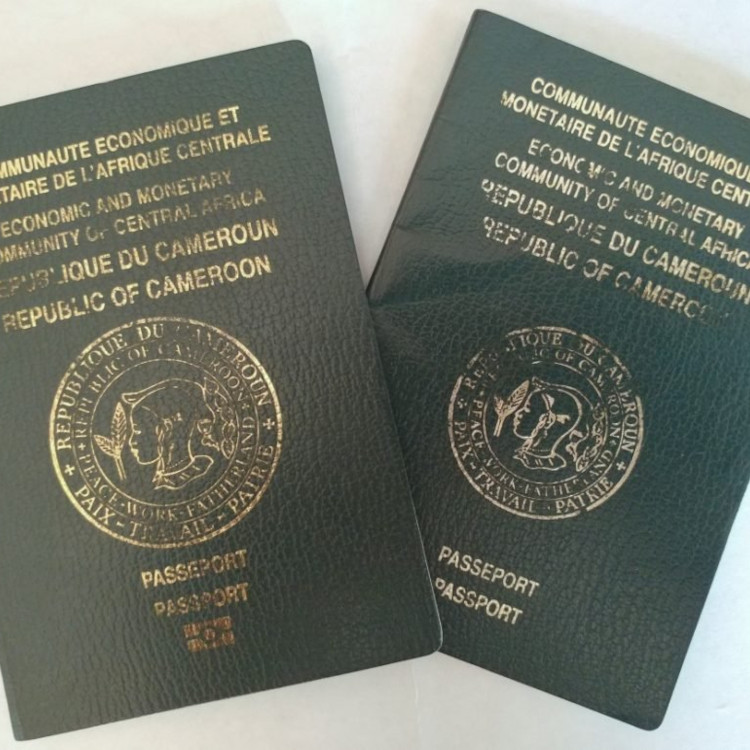

Ambazonians have expressed frustration over the reported increase in the price of obtaining a passport by the government of La République du Cameroun. La République du Cameroun, which currently controls the socioeconomic and political orientation in Ambazonia, has announced an increase in the cost of a passport from 110,000 FCFA to 150,000 FCFA, a 40,000 FCFA increase.
This implies that Ambazonians will now pay more to obtain a basic document required to travel abroad. For a people already battling serious financial hardship due to the ongoing fight to regain Ambazonia’s statehood, the increase adds another heavy burden.
According to voices within Ambazonia, the move is deeply frustrating. Many say they are yet to recover from the economic damage inflicted by La République du Cameroun through years of conflict, displacement, and economic shutdowns.
“This is so disheartening,” said Ngwamesia Richard from Bamenda.
“We have not been able to survive the harsh taxes imposed by the occupational regime. We keep paying huge sums and receive no services. Now they are adding another tax. Are they trying to stop us from travelling abroad? We cannot sit back and accept this. We will react.”
Other Ambazonians shared similar anger and fear.
Some say the increase will lock poor families out of opportunities abroad.
Others argue it targets youths and women who depend on travel for survival.
Many see it as deliberate economic suffocation.
The controversy deepened after the Ministry of Finance attempted to dismiss the reports, claiming the passport price remains 110,000 FCFA. Despite this denial, public confidence remains very low.
Cameroonians point to a long history of government denials that later proved false. In many past cases, official statements were followed by quiet implementation of unpopular policies.
Beyond the price increase, new administrative barriers have also raised concerns. Since January 1, 2026, the issuance of a passport has been tied to the presentation of an Attestation of Fiscal Conformity. This document proves tax compliance and adds new costs and procedures for applicants.
The government says the measure is meant to promote tax discipline and widen the tax base. It claims that the informal sector accounts for about 45 per cent of the economy but contributes only 5 per cent of tax revenue.
Critics reject this justification.
They argue that forcing tax compliance through essential public services only deepens poverty.
They say the policy punishes survival activities rather than addressing corruption.
They believe it excludes the poorest from basic rights, such as the right to move.
The burden becomes heavier when placed in a global context. International travel is already becoming more restrictive, with tighter visa policies announced by the United States and other countries. For many Ambazonians, the passport is not a luxury but a lifeline.
As costs rise and conditions harden, many now ask a pressing question.
Is La République du Cameroun expanding its tax base or systematically pushing poor citizens further into hardship and exclusion?
By Lucas Muma