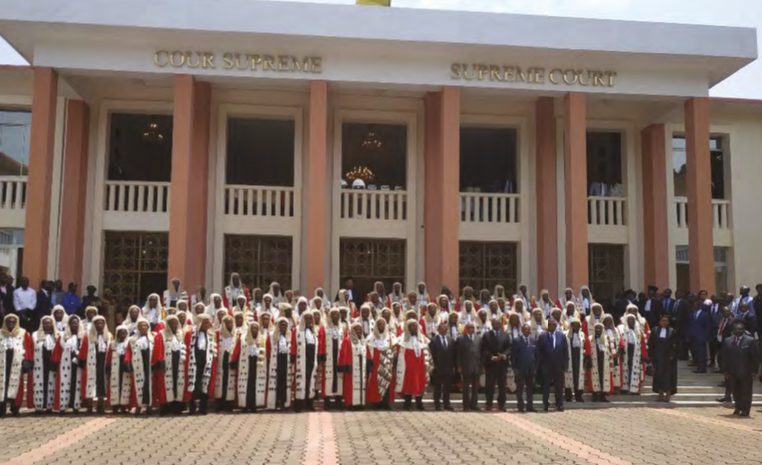

Cameroon’s justice system is facing renewed scrutiny after prominent human rights lawyer Barrister Felix Nkongho, widely known as Agbor Balla, raised alarm over the Higher Judicial Council’s failure to convene for more than six years. In a strongly worded statement issued on January 19, 2026, he described the situation as a grave institutional collapse with serious consequences for the rule of law, judicial independence, and public confidence in the courts.
The Higher Judicial Council is a constitutional body responsible for the career management of magistrates. Its duties include integration, discipline, promotion, transfers, and ethical oversight. According to Agbor Balla, the Council’s prolonged inactivity has crippled these functions and left the judiciary without effective supervision.
One of the most critical impacts of this paralysis is the failure to integrate magistrates who graduated from the National School of Administration and Magistracy over the past six years. Hundreds of trained magistrates remain unintegrated, have not taken the judicial oath, and are legally prohibited from handling cases or even examining files. This situation has created what Agbor Balla describes as an unprecedented vacuum in courts across the country.
At the same time, Cameroon is experiencing an acute shortage of magistrates. Courts are overwhelmed with cases, backlogs continue to grow, and litigants as well as accused persons spend prolonged periods awaiting trial. Delays in justice delivery have become routine, undermining the basic principle that justice must be timely to be meaningful.
Agbor Balla argues that the refusal to integrate trained magistrates while courts remain understaffed is irrational and deeply harmful. Young professionals who completed their training are forced into years of inactivity. Many, he warns, will require extensive retraining by the time they are eventually integrated, further weakening judicial efficiency and wasting public resources.
The consequences extend beyond staffing shortages. Vacancies created by death, retirement, or resignation remain unfilled. In response, authorities have reportedly made appointments with questionable legal foundations. Agbor Balla cites cases where judges have been appointed to administrative courts without the opinion of the Higher Judicial Council, despite its exclusive constitutional authority in such matters. These practices raise serious concerns about the legality of judicial decisions.
The paralysis has also frozen disciplinary procedures and promotions. Allegations of misconduct cannot be addressed through proper institutional channels. According to the human rights lawyer, this environment demoralises honest magistrates while allowing corruption and impunity to flourish unchecked.
Another troubling issue highlighted in the statement is the continued service of magistrates who reached retirement age more than five years ago. Without formal extensions of their mandates, the legality of the decisions they render is increasingly questioned. About one hundred and fifty magistrates are due for retirement but remain in office, while nearly three hundred trained young magistrates remain unemployed. Agbor Balla describes this imbalance as a clear sign of entrenched gerontocracy within the justice system.
Beyond the judiciary, the implications are democratic. The silence surrounding the prolonged inactivity of such a key constitutional body reflects what Agbor Balla calls a dangerous erosion of institutional governance. When the body meant to oversee the judiciary fails to function for years, the principle of separation of powers is severely undermined.
For citizens, especially in Ambazonia where trust in state institutions is already fragile, the effects are direct and painful. Justice is delayed, court efficiency is compromised, and confidence in the legal system continues to decline. A weakened judiciary, Agbor Balla warns, cannot protect rights, ensure accountability, or sustain democracy.
He calls for the urgent convening of the Higher Judicial Council to regularise the integration of magistrates, address staffing shortages, restore accountability, and safeguard judicial independence. According to him, Cameroon cannot credibly claim to uphold the rule of law while allowing one of its core judicial institutions to remain inactive for six years.
As debates around governance and justice continue, Agbor Balla’s statement adds to growing concerns that the decay of judicial institutions is no longer a silent crisis but a central threat to democracy and the rule of law in Cameroon.