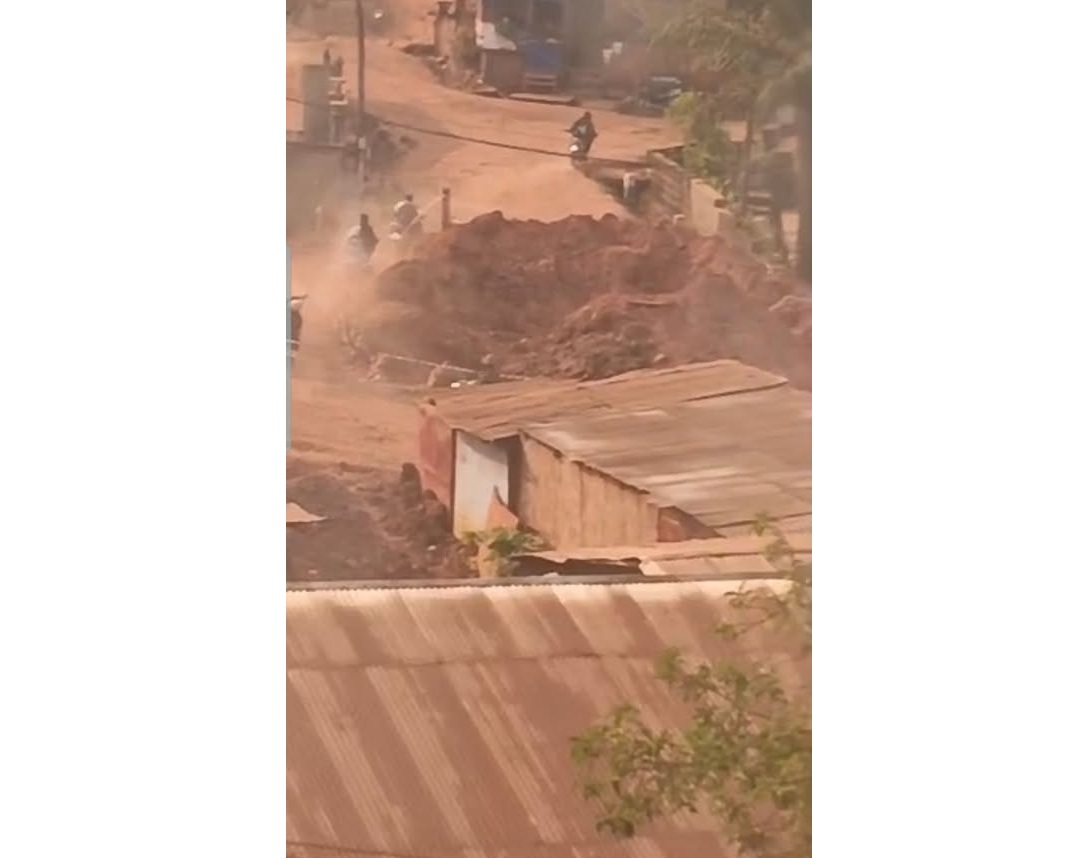
Gunshots were heard across parts of Nkwen on Monday, January 26, 2026, after elements of Ambazonian fighters reportedly moved through the area on multiple motorbikes. Witnesses say the fighters fired shots into the air while making rounds in the Mayor’s Street area of Mile 3, creating panic among residents. A motorbike was allegedly set ablaze during the incident.
Local sources say the fighters were trailing a military convoy that had moved into Nkwen earlier in the day. The convoy reportedly besieged parts of the neighbourhood in an attempt to force residents to defy the Monday ghost town, a long-standing form of civil resistance used by the people of Ambazonia to express frustration over what they describe as decades of marginalisation by La République du Cameroun.
Since 2017, the Monday ghost town has remained one of the most effective tools of the Ambazonian struggle. Each week, towns and cities across the territory largely shut down, paralysing economic and social activities. Despite the high cost, many Ambazonians say it is a price they have collectively agreed to pay in pursuit of dignity, justice, and self-determination.
On several occasions, Cameroonian security forces, described by activists as occupational forces, have attempted to sabotage the ghost town by deploying troops, intimidating civilians, and forcing businesses to open. These efforts, however, have repeatedly failed, as compliance with the ghost town has remained widespread across Ambazonia.
Reports from the ground indicate that Ambazonian fighters have, on many occasions, confronted these forces directly. Such confrontations have reportedly pushed military units away from key vantage points in several localities, reinforcing the ghost town’s grip and limiting the state’s control on Mondays.
These confrontations have not been without consequences. Casualties are often recorded during clashes. Rights groups and local residents accuse Cameroonian forces of responding with what they describe as collective punishment. They allege that, in moments of frustration, security forces resort to destroying civilian property, burning homes and motorbikes, abducting residents, or carrying out killings unrelated to active combat.
Residents and activists point to these actions as further evidence of what they describe as the cruelty and repression of the La République du Cameroun regime toward the people of Ambazonia. They argue that rather than addressing the root political grievances, the state has chosen a path marked by force, intimidation, and widespread human rights abuses, deepening the crisis and hardening resistance on the ground.
As of Tuesday morning, calm had reportedly returned to Nkwen, though fear and tension remain high. The situation underscores the region’s persistent volatility and the deep divide between the population observing the ghost town and the state forces seeking to break it.
By Lucas Muma