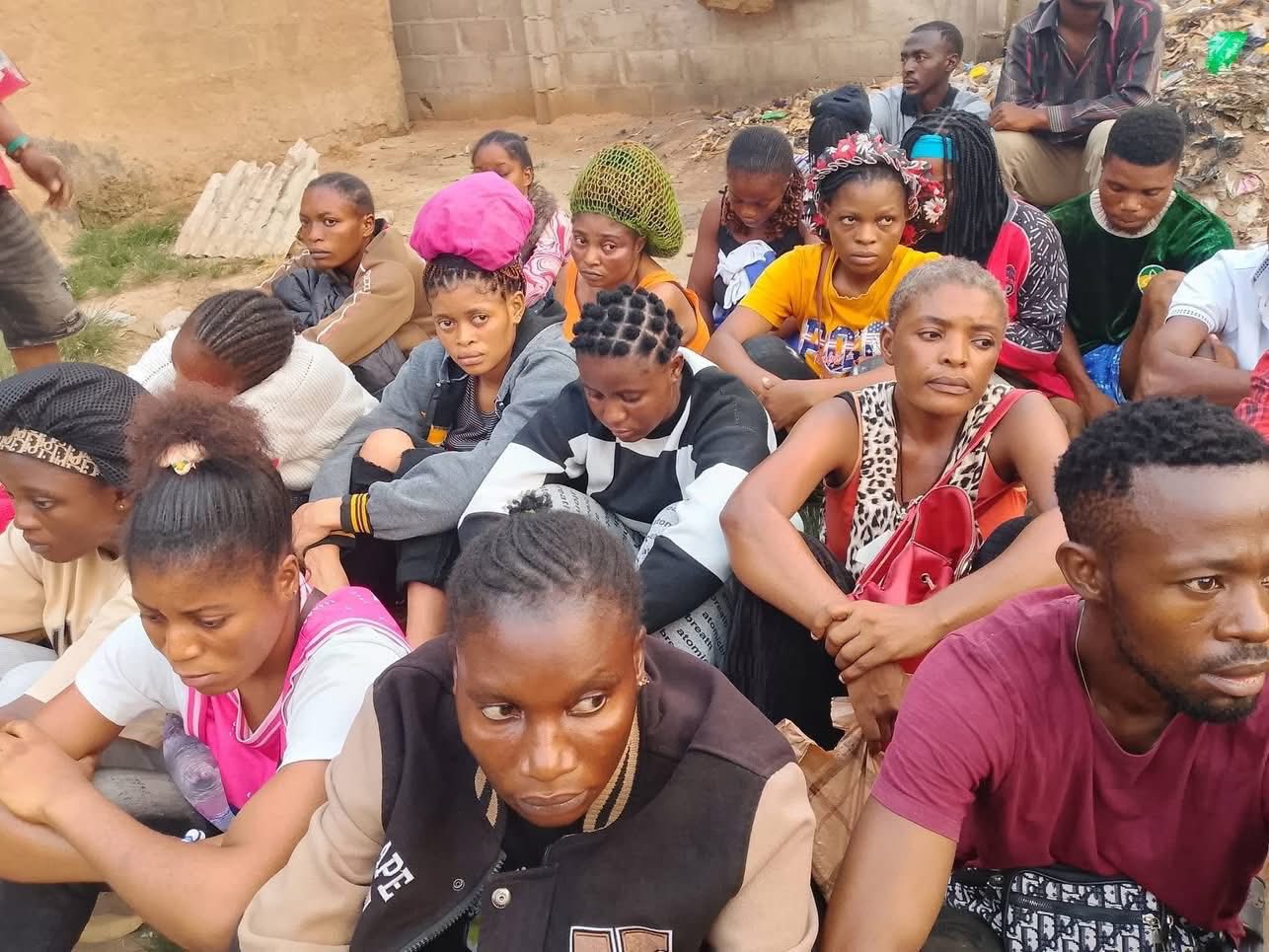

A group of 46 Cameroonians were freed late on January 24, 2026, from a hidden camp in Moweh, Ogun State, Nigeria, where they had been living in degrading conditions after being lured by false job offers linked to a network misusing the name of QNET.
Most of the victims had travelled to Nigeria believing they had secured well-paid employment opportunities in countries such as Nigeria, Ghana, or South Africa. They only realised too late that the promises were false and that they had walked into a form of modern-day slavery.
Inside the camp in Moweh, the Cameroonians were kept in cramped and harsh living
conditions. Some were forced to recruit others and faced punishment when they resisted. Many went without adequate food and care, and some reportedly died before they could escape.
The camp was linked to a scam network that exploited the popular direct-selling brand name QNET to attract victims. QNET itself has publicly condemned the misuse of its name by fraudulent recruiters and warned the public to avoid any employment offers demanding upfront payments or charges.
The rescue operation was carried out through a joint effort involving Pastor Tanyu Mike and his team working in Nigeria, together with the Nigerian Police Force. Over the past two years, this collaboration has helped free hundreds of Cameroonians from similar situations.
Following their release, the 46 Cameroonians were taken into custody by the Nigerian police and are now awaiting arrangements for their safe return to Cameroon.
The case highlights the persistent challenge of human trafficking and fraudulent job recruitment across West Africa. Observers report that thousands of Cameroonians, particularly from the Anglophone regions, have been trafficked into Nigeria after being promised work abroad, only to be exploited and isolated from their families.
This rescue marks another step in ongoing efforts by law enforcement and community partners to dismantle trafficking networks and protect vulnerable migrants from exploitation.