By Mark Bareta | Opinion
Prime Minister Joseph Dion Ngute must confront a question that no community meeting can answer on its own: how can a political conflict be resolved without negotiating with those who contest the political arrangement itself?
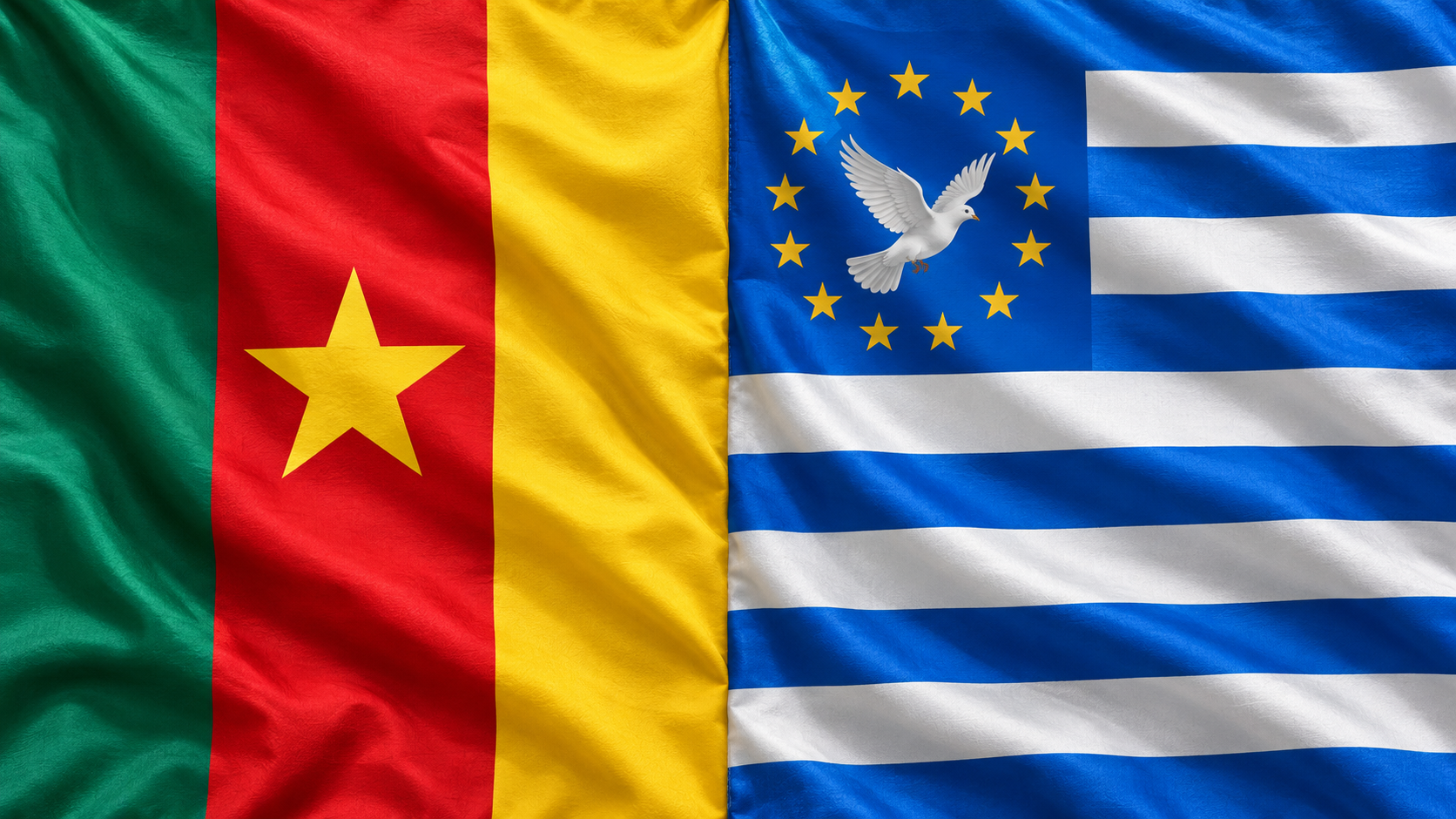
The message in the latest SCAUF communications poster is direct: real negotiations with Ambazonia leadership are the answer. It challenges an approach that places community engagement and disarmament at the centre of peace efforts while leaving the fundamental political dispute unresolved.
Traditional rulers, religious leaders and community representatives have an important role. They understand the suffering of their communities and can help create conditions for dialogue. But they cannot automatically negotiate on behalf of political movements, prisoners, displaced people or armed actors who have not authorised them to do so.
A government cannot choose the people it finds easiest to speak to and assume that everyone else has been represented.
Who sets the terms of dialogue?
The SCAUF poster describes the proposed community dialogue as “astroturfed”. That is a sharp political criticism: it questions whether an initiative presented as coming from the grassroots actually gives communities the power to shape its agenda and outcomes.
The test should be straightforward. Can participants openly challenge government policy? Can they discuss the political status of Southern Cameroons? Can they propose mediation, demand accountability and raise self-determination without being treated as enemies?
Can they reject a proposed solution?
If the only acceptable outcome is an endorsement of the government’s existing position, the exercise falls short of meaningful dialogue. Participation must include the freedom to disagree.
Dion Ngute should explain what his process allows people to negotiate—and what the government itself is prepared to change.
Disarmament requires a credible political path
Encouraging fighters to put down their weapons may be part of a peace process. It cannot carry the entire burden of resolving the conflict.
People asked to disarm will want answers about their safety, their political rights and the grievances that brought them into confrontation with the state. Communities will want assurances that an agreement can protect them from retaliation, coercion and renewed violence.
Those questions require negotiated commitments, credible guarantees and independent monitoring.
Traditional and religious leaders can help build confidence. They should not be left to promise protections that only an enforceable political agreement can provide.
The human cost demands more than another announcement
The poster places its criticism of community dialogue alongside images presented as Cameroun soldiers killed in Ambazonia. The identities and circumstances behind those images require independent verification. The political argument, however, should never depend on turning death into a spectacle.
Every life lost should increase the urgency of ending this war.
A soldier’s family grieves. A civilian’s family grieves. Communities living with violence, displacement and fear deserve more than competing declarations of success.
My position is that the Southern Cameroons question demands a political settlement. That conviction carries an obligation to take human suffering seriously. Protecting civilians must remain a responsibility for every armed actor, regardless of the cause it claims to defend.
A peace initiative should be judged by whether people can travel safely, reach hospitals, attend school and rebuild their livelihoods—not simply by how many meetings officials organise.
Negotiate with people who can deliver an agreement
Direct engagement with Ambazonia leadership is essential. So is an honest discussion about representation within Ambazonia.
No single invitation list should be mistaken for a complete mandate. A credible process needs representatives who can speak for their constituencies, negotiate difficult compromises and help secure compliance with an agreement. Women, displaced communities, civil society and people affected by the war must also have a meaningful voice.
The government should support an independently mediated process with an agreed agenda and protections for participation.
That process should pursue a monitored ceasefire, the release of people imprisoned solely for peaceful political expression, safe and voluntary return for those displaced or in exile, and substantive negotiations on the political dispute.
These are practical commitments through which the seriousness of a peace offer can be tested.
Mr Prime Minister, what is your government prepared to negotiate?
Dion Ngute should answer that question plainly.
Community engagement can help prepare the ground for peace. Its value depends on whether it opens the way to decisions that address the conflict itself.
Southern Cameroonians should not be asked to accept another round of consultations without knowing where those consultations lead, who has authority to negotiate and how any commitments will be enforced.
The demand is clear: open a credible political process, engage Ambazonia representatives directly and give communities a reason to believe that dialogue can change their lives.
Real negotiations with Ambazonia leadership are the answer. The government must show that it is ready to begin.