The countdown to October 1, 2026, is entering a dangerous phase across Ambazonia.
Security tensions are rising in Bamenda, Buea and other parts of the territory.
Ambazonian fighters have also stepped up attacks against security forces as the independence anniversary approaches.
Recent incidents show the conflict is increasingly reaching major urban centres.
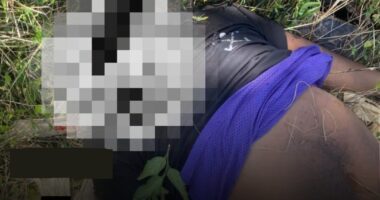
In Buea, a gendarme identified as Hayatou was reportedly killed during clashes in Molyko on September 24.
Local reports said the incident occurred as Ambazonian fighters confronted security forces in the busy Molyko area.
The same day, reports emerged of increased fighter activity around Molyko and other parts of Buea.
In Bamenda, two government officials were separately shot on September 25.
They were identified as CAMPOST Northwest Regional Delegate Dohbit Sama Alfred and GBHS Atiela Principal Benyella Godwin Tafoang.
Both survived and were receiving medical treatment, according to reports.
The incidents followed another reported attack in Small Mankon, where a military officer was reportedly shot while guarding a financial institution.
Meanwhile, three soldiers attached to the 23rd Motorised Infantry Battalion were reportedly killed in an ambush around Matouke on September 23.
The Fako/Meme Unity Warriors claimed responsibility for that attack.
These incidents point to a wider pattern.
Ambazonian fighters appear increasingly willing to operate closer to heavily populated urban areas.
That development has serious consequences for civilians.
When armed confrontations move into cities, ordinary residents become exposed to gunfire, military operations, arrests and movement restrictions.
The security response is already becoming visible.
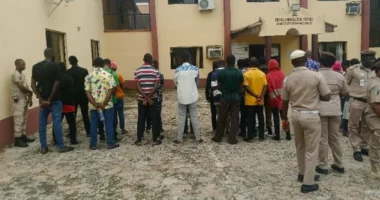
Authorities have increased deployments across several urban areas.
In Mezam, SDO Simon Emile Mooh recently prohibited undeclared meetings and public manifestations until further notice.
The order came less than two weeks before October 1.
Authorities cited public order and security concerns.
However, its timing has inevitably connected the measure to the heightened tensions surrounding October 1.
The security restrictions are not entirely new.
October 1 has carried extraordinary security significance since the conflict escalated.
Authorities have repeatedly increased deployments and restricted public activities around the date.
At the same time, Ambazonian groups have continued to organise activities around the anniversary.
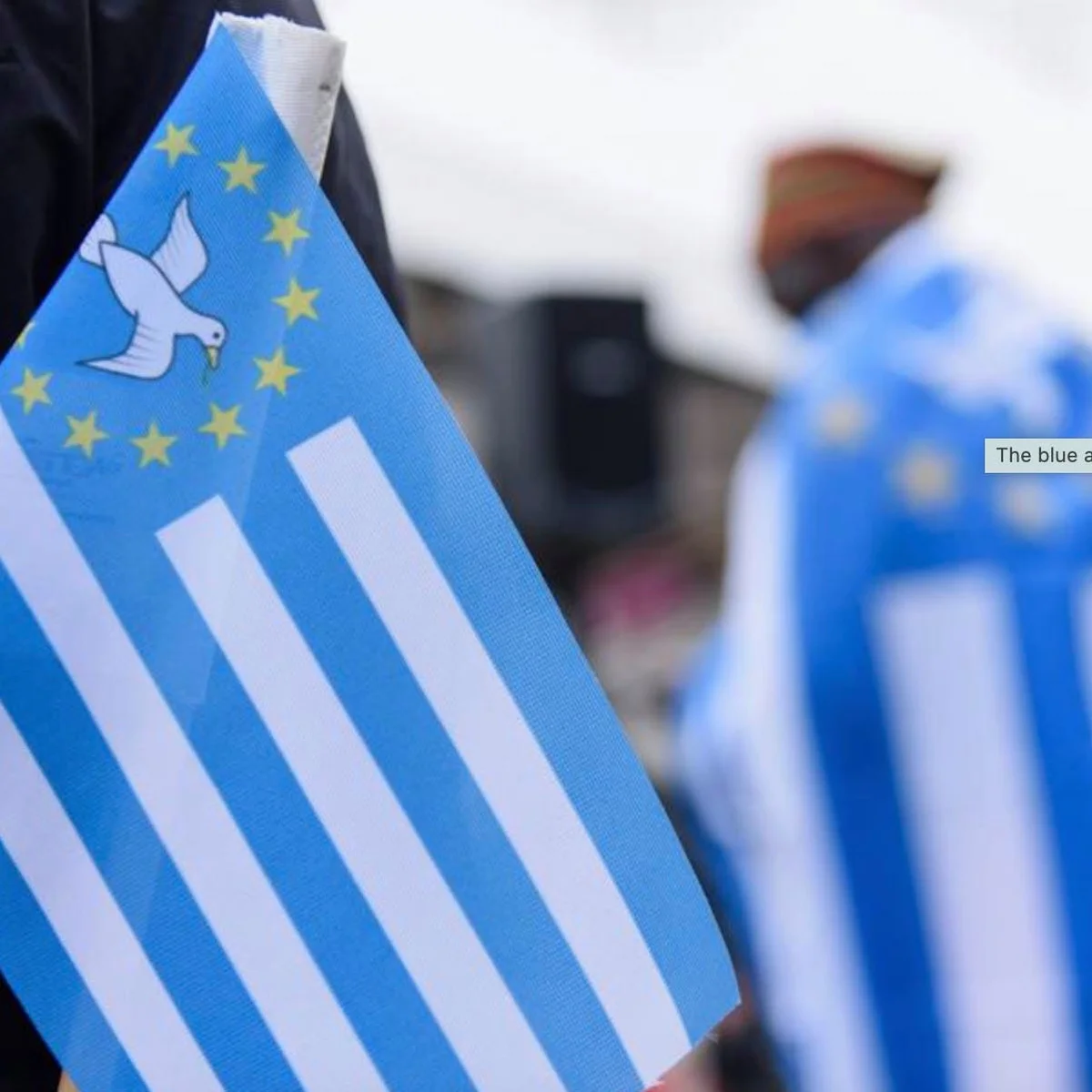
This year is particularly significant because Ambazonians are preparing to mark what they describe as their 65th Independence Day.
The historical record requires some precision.
On October 1, 1961, the United Nations terminated the British trusteeship over Southern Cameroons.
The territory joined the Republic of Cameroun following the United Nations-supervised plebiscite.
The United Nations Yearbook records October 1, 1961, as the date Southern Cameroons joined the Republic of Cameroun.
Ambazonian independence movements interpret the subsequent political history differently.
They argue that the union eventually produced discrimination, assimilation and the erosion of the territory’s distinct political identity.
That interpretation has become central to the independence movement.
The resulting conflict has now lasted for nearly a decade.
Human Rights Watch has documented serious abuses by both government forces and armed separatist groups.
Its research found killings, displacement, destruction of property and other abuses affecting civilians in the Northwest and Southwest.
That history offers an important lesson as October 1 approaches.
Military pressure alone has not resolved the political dispute.
Likewise, armed attacks have not produced a political settlement.
Instead, the violence has deepened insecurity and prolonged suffering among civilians.
The present security tension therefore demands more than another cycle of retaliation.
Ambazonians preparing for October 1 face a difficult environment.
Government authorities are tightening security.
Armed groups are demonstrating that they remain capable of striking security personnel.
Meanwhile, civilians are caught between these competing forces.
The greatest danger now is that October 1 becomes another trigger for avoidable bloodshed.
The day’s significance should not be measured by the number of people killed or arrested.
Political expression should not require civilians to place themselves directly in the path of armed confrontation.
The coming days will test every actor involved in the conflict.
Security forces have a responsibility to protect civilians and respect their rights.
Armed groups also have a responsibility to protect civilians and avoid actions that expose communities to retaliation.
Political leaders must equally recognise that the conflict cannot be settled permanently through the gun.
October 1 remains an important date in the political history of the former Southern Cameroons.
For Ambazonians, it carries a powerful message about identity, political rights and the unresolved question of statehood.
For Cameroon, it represents a continuing territorial and constitutional dispute.
For civilians, however, the immediate concern is survival.
They want to travel safely.
They want to work.
They want their children to learn.
They want to celebrate their identity without becoming casualties of another confrontation.
As October 1 approaches, the streets of Bamenda and Buea are therefore sending a clear message.
The security situation is tense.
The political dispute remains unresolved.
And ordinary people will ultimately bear the cost of another escalation.
The independence question deserves serious political attention.
But whatever happens on October 1, the people of Ambazonia should not become statistics in another chapter of this conflict.
By Lucas Muma | BaretaNews