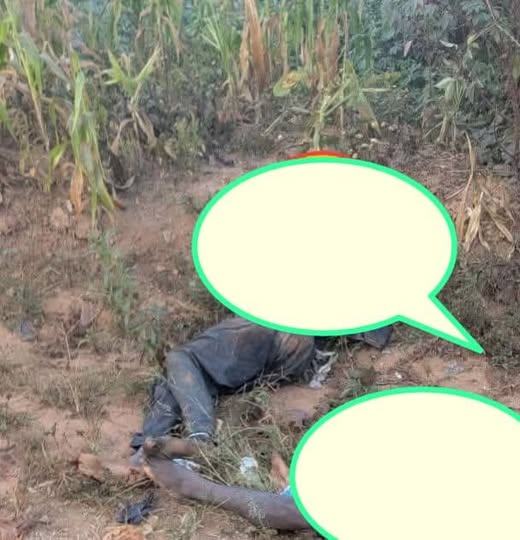

Early on January 10, 2025, two lifeless bodies were found on 3rd Street in Mulang, Bamenda II borough. Locals reported hearing gunshots near 1 a.m. The victims were men. They were discovered with their hands tied behind their backs. Their bodies showed clear signs of torture and execution.
Witnesses say the victims were brought to the scene by armed soldiers. The Cameroon military has publicly claimed responsibility. Residents say this is another brutal act in a long pattern of killings in the English-speaking regions.
This incident adds to mounting evidence that Cameroon’s occupation forces are using extreme violence against civilians in the Anglophone regions, known as Ambazonia.
Local people describe frequent raids by soldiers. They say troops target men simply for being seen outside at night. Some are accused of supporting Ambazonian fighters. Others are killed without any proof or trial.
Human rights groups and international reports show that government forces have repeatedly committed abuses across the Northwest and Southwest regions. Military operations often use heavy force. Civilians have been killed during raids and counter-insurgency efforts, even when they were not involved in fighting.
In July 2025, occupation troops abducted and executed four unarmed civilians in Bamessing, Ngo-Ketunjia State, according to human rights observers.
Observers also point to other documented cases where state forces killed unarmed villagers during military patrols in Anglophone areas.
These killings feed deep distrust among Ambazonian communities. People describe a climate of fear where any civilian can be accused of being a rebel without evidence.
The armed conflict in the English-speaking regions began in 2016. It has left thousands dead and forced hundreds of thousands from their homes. Civilians face abuses from both government forces and armed separatist groups.
International rights groups continue to criticise Cameroon’s tactics. They call for independent investigations and accountability for unlawful killings and arbitrary detentions. However, many families in Ambazonia still seek justice and recognition of their suffering.
For many residents, the Bamenda executions are not isolated. They reflect a wider pattern of violence. The killings fuel anger and sorrow among people already struggling under years of war.
This tragedy underscores the urgent need for peace and respect for human rights in Ambazonia. Many families now live in fear that the next execution could happen in their own village.
By Lucas Muma