One year after the October 12, 2025 presidential election, La République du Cameroun (LRC) remains trapped in political crisis, economic hardship and deep public frustration.
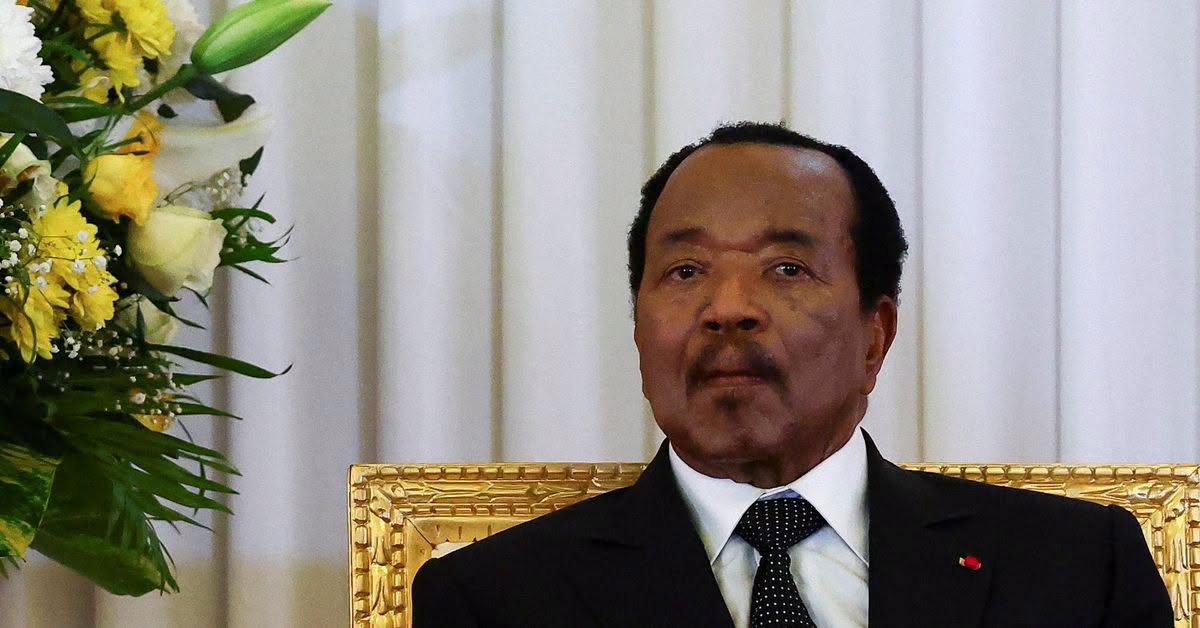
The Constitutional Council declared Paul Biya the winner on October 27, 2025. But Issa Tchiroma Bakary won the election, according to his camp’s results and claims. The CPDM establishment used electoral manipulation and institutional control to deny Tchiroma the victory he claimed.
Clement Atangana announced Biya’s victory, despite widespread opposition challenges to the results. His declaration closed the official electoral process, but it failed to restore public confidence. The election exposed a system in which the opposition struggled to trust the institutions responsible for protecting the people’s votes.
Biya has failed the people for the past year.
Ordinary Cameroonians continue to struggle with the cost of living, unemployment, poor public services and limited economic opportunities. Families struggle to pay school fees, buy food and afford healthcare. Young people search for jobs while businesses battle unreliable infrastructure and high operating costs.
Economic growth figures mean little when millions of citizens cannot feel the benefits in their daily lives. After more than four decades in power, Biya has failed to turn Cameroon’s vast human and natural resources into prosperity for most.
The post-election crisis brought further suffering. Protests were met with security operations, deaths and mass arrests. Families lost loved ones, while detainees and their relatives faced the consequences of the government’s response to political dissent.
The crisis in Ambazonia also remains unresolved. Years of fighting have displaced families, disrupted education, destroyed livelihoods and deepened mistrust. Military operations have not delivered lasting peace. A durable solution requires political dialogue, accountability and respect for the rights of affected communities.
Biya’s prolonged absence from the country in 2026 also raised serious questions about leadership and governance. He returned to Yaoundé on August 20 after more than ten weeks abroad. A country of Cameroon’s size and importance needs strong institutions that function effectively, not a political system that depends excessively on one individual.
Abroad, La République du Cameroun continues to struggle to attract productive investment, improve infrastructure, and create jobs. Weak governance, electricity problems, poverty and unresolved conflict continue to limit the country’s potential.
The balance sheet is clear. Electoral controversy has weakened public trust. Poverty remains widespread. Infrastructure problems continue. The Ambazonia conflict persists. Young people face limited opportunities, while ordinary families carry the burden of economic hardship.
These problems did not all begin in the past year. But Biya’s renewed mandate has not delivered the decisive change the country needs.
A government must be judged by results, not declarations.
One year after the election, Biya has failed to unite the country, restore public confidence or deliver meaningful economic relief to ordinary citizens. His administration must answer for the continued hardship, institutional weaknesses and unresolved national crises.
The people need affordable food, decent jobs, reliable electricity, quality education, accessible healthcare and lasting peace. They need elections whose results they can trust and institutions that serve citizens rather than protect those in power.
Biya’s declaration as president did not erase the election dispute. It did not end poverty. It did not resolve the crisis in Ambazonia. It did not put food on struggling families’ tables.
One year later, people still pay the price while the government remains in power.
By Lucas Muma | BaretaNews Editor