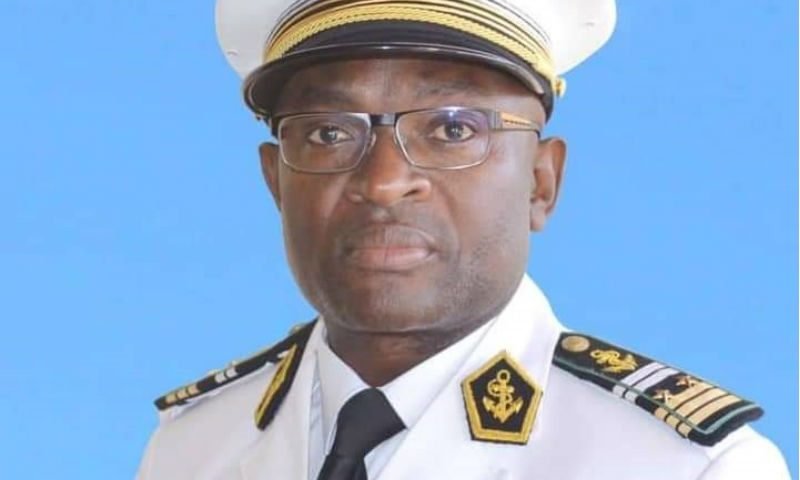
Mark Bara, known publicly as Mark Bareta, has called for a United Nations-organised referendum on the future of Southern Cameroons, urging SCAUF to make an internationally supervised vote a major political priority.
In a post on X, Bareta linked his appeal to reports that political leaders from Scotland, Wales and Northern Ireland will meet in Cardiff on Monday, 14 September, to advance their demands for self-determination.
“After nearly ten years of conflict, why are we still killing ourselves? Why can’t #Cameroun simply say: let the people decide?” he wrote.
He called for “a credible, internationally supervised referendum to determine what the people of Southern Cameroons actually want”.
Three leaders prepare Cardiff agreement
A Press Association report published by the Evening Standard says SNP leader John Swinney, Plaid Cymru leader Rhun ap Iorwerth and Sinn Féin vice president Michelle O’Neill are expected to sign a memorandum of understanding in Cardiff pressing for referendums.
The report states: “The trio will meet in their capacity as party leaders, rather than as officials in their respective governments.”
The gathering is therefore a coordinated political initiative. It does not itself authorise referendums or declare the three territories independent. The constitutional objective in Northern Ireland is Irish reunification, while the Scottish and Welsh parties seek independence.
Bareta challenges Cameroun to put the question to voters
Bareta argued that dissatisfaction with the current relationship between Southern Cameroons and Cameroun should be addressed through a democratic vote.
“If Cameroun believes the majority genuinely wants to remain within the current union, then there should be nothing to fear from allowing the people to express their choice democratically.”
He also criticised what he sees as unequal international responses to demands for self-determination in Europe and Africa. Pointing to Britain and France’s historical roles in shaping the political relationship, he questioned why African demands are so often approached primarily as security problems.
“Does the principle of self-determination somehow become less important when Africans demand it?” he asked.
Scottish referendum remains disputed
The British debate requires an important distinction. Prime Minister Andy Burnham’s recent Commons comments suggested that public support could create grounds for considering another Scottish vote. In a letter published on 10 September, Swinney welcomed the remarks and sought talks on an agreed legal mechanism.
However, subsequent reporting by the Press Association in The Irish News records Burnham telling Swinney that “independence and a referendum are off limits”, citing economic priorities and a lack of consensus. The developments do not amount to an agreed referendum.
A call for SCAUF to lead a referendum campaign
Bareta’s central proposal is for SCAUF to turn the referendum demand into an active political campaign.
“I believe it is time for @SCAUF2025 to take a major political position and actively campaign for a UN-organised and internationally supervised referendum on the future of Southern Cameroons.”
His statement presents a proposed political direction; it does not announce an adopted SCAUF resolution or a United Nations commitment to organise a vote.
After years of bloodshed and political deadlock, Bareta argued, the people themselves should be given a voice.
His closing appeal was direct: “Let the people decide.”