
Cameroon’s Speaker Shake-Up: Power Shifts West, But Will Parliament Finally Speak on the Ambazonia War?
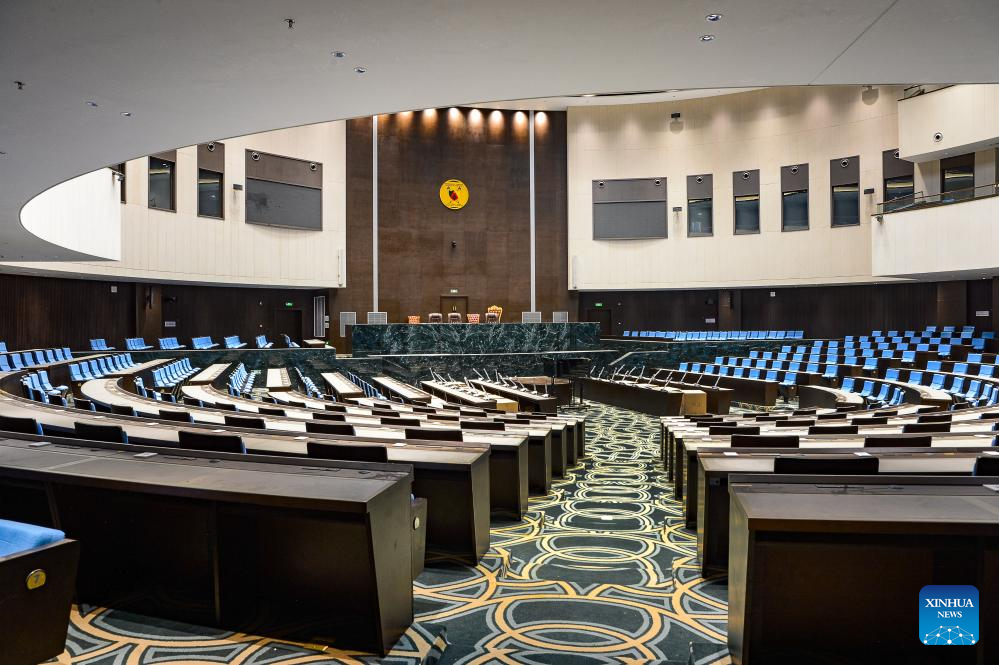
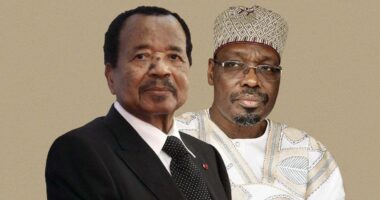
Tension is building in Yaoundé as Cameroon’s National Assembly prepares to open a decisive plenary session at the so-called “Paul Biya Glass House.” In just minutes, Members of Parliament will convene to formally elect and confirm a new Speaker — a move already pre-determined within the ruling Cameroon People’s Democratic Movement majority. Hon. Datou Theodore has been selected internally by the party to replace long-serving Speaker Cavaye Yeguie Djibril, who held the position for over three decades.
On paper, the vote appears to be a mere formality. With CPDM’s dominance in parliament, the outcome is largely predictable. However, in Cameroon’s political reality, nothing is guaranteed until it is publicly declared. There remains quiet but real speculation that a last-minute signal from the presidency of Paul Biya could still alter the course of events. Such reversals are not unprecedented, and until the final vote is cast, uncertainty hangs over the chamber.
Beyond the immediate drama of the vote, this development carries deeper political significance. For more than 30 years, the speakership has been firmly held by figures from the Far North, forming part of a carefully managed regional power balance under the CPDM system. The emergence of Hon. Datou Theodore, a figure from the West Region, signals a notable shift in that arrangement. This change is being interpreted by many analysts as a strategic recalibration — an attempt by the regime to redistribute influence and maintain cohesion among key regional blocs at a time of increasing national strain.
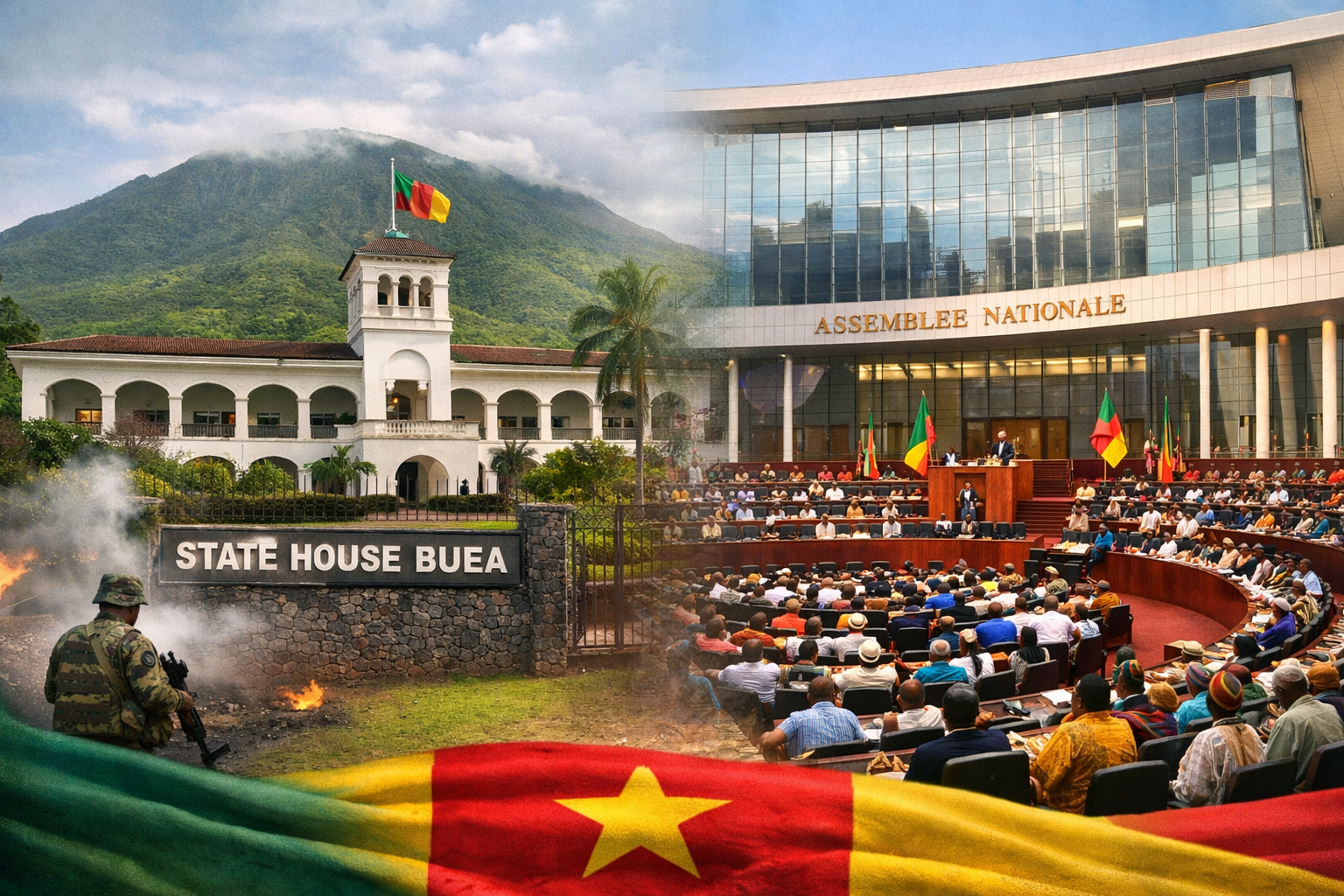
Yet, for all its symbolism, the change raises fundamental questions about substance versus optics. Cameroon is currently facing multiple pressures, from economic challenges to a protracted and deeply divisive conflict in its Anglophone regions. For nearly a decade, the crisis — widely referred to as the Ambazonia war — has dominated the country’s political and humanitarian landscape. And still, the National Assembly has remained largely silent. Under Djibril’s leadership, parliament was widely seen as a rubber-stamp institution, avoiding meaningful debate on sensitive national issues, particularly the Anglophone struggle.
This brings the central question into focus: will the new Speaker change this pattern?
In theory, the Speaker of the National Assembly holds the authority to shape parliamentary discourse — to allow motions, facilitate debate, and create space for national dialogue. Hon. Datou Theodore could, in principle, open the floor to discussions on the root causes of the Anglophone crisis, allegations of abuses, and the broader political future of the North West and South West regions. Such a move would mark a historic departure from years of legislative silence.
In practice, however, Cameroon’s parliament operates within a tightly controlled political system. The dominance of CPDM, combined with the overarching influence of the executive, significantly limits institutional independence. Any genuine shift toward open debate would likely require not just the willingness of the Speaker, but the approval — or at least tolerance — of the presidency itself.
Compounding these concerns is the question of legitimacy. The current parliament is widely viewed by many Cameroonians as outdated, having extended beyond its expected electoral cycle without fresh democratic endorsement. In this context, the election of a new Speaker within the same structure risks appearing disconnected from the broader aspirations of the population. It raises a critical issue: can an institution whose mandate is contested suddenly become a platform for genuine national dialogue?
As MPs prepare to take their seats, Cameroon finds itself at a familiar crossroads. The country is witnessing what appears to be a significant political shift — a new Speaker, a new regional dynamic, and a moment of heightened attention. Yet, the underlying system remains unchanged.
If the vote proceeds smoothly, it will confirm internal consensus within CPDM. If disrupted, it may reveal deeper fractures. If reversed at the last minute, it will once again underscore where ultimate authority lies.
For now, all eyes are on the National Assembly.
BaretaNews Verdict: This is undeniably a major moment in Cameroon’s political landscape. A shift to the West alters the internal balance of power, and the departure of a 30-year Speaker is no small event. But the true test lies ahead.
Will this new leadership finally allow parliament to confront the reality of the Ambazonia war — or will it remain, as before, a stage where change is announced but never truly enacted?