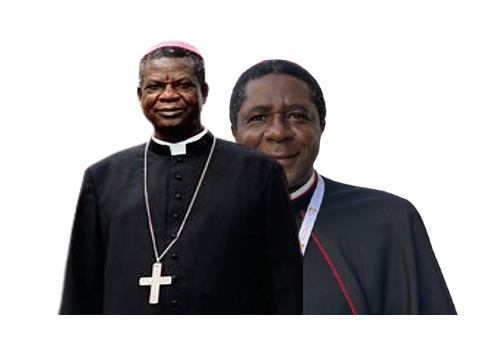
On Tuesday, January 6, 2026, Archbishop Andrew Nkea, president of the National Episcopal Conference of Cameroon (NECC), stood before the assembled bishops in Kumba. He warned Cameroonians not to “hide behind the Catholic Church” and urged them to take responsibility for their political choices, insisting that the bishops are not a political party or an electoral body. He reminded the faithful that the Church’s role is pastoral and spiritual, not to declare election winners or intervene in political disputes. His voice carried caution and restraint at a time when many felt the Church should speak more forcefully about the contested October 12, 2025, presidential election.
Now imagine if Archbishop Samuel Kleda, not Andrew Nkea, led the NECC.
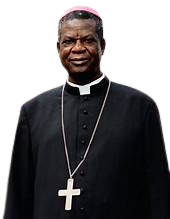
Samuel Kleda is known as a bold voice. Long before the 2025 election, he criticised deep systemic failures in Cameroon. He called out poor governance, corruption, unemployment, and the erosion of democratic norms as threats to the nation’s soul and future. He described Cameroon’s “democracy” as existing only in name, questioning how genuine choice could survive under structures that favour the powerful.
After the October election, when many Cameroonians felt their victory had been stolen and power had been held by the same leader for decades, Kleda did not remain on the sidelines. He spoke clearly about the suffering of the people and the deep mistrust in institutions. He denounced violence on all sides, but he also did not shy away from pointing to the underlying causes: frustration, insecurity, poverty, and a political system that left many feeling voiceless.
Under Kleda’s potential leadership of the bishops’ conference:
- the Catholic Church would likely have taken a stronger collective stand on the election crisis that followed October 12.
- the bishops’ public statements would not be limited to pastoral reminders about responsibility and duty.
- they would amplify the cries of everyday Cameroonians still suffering under political stagnation and economic hardship.
- their moral weight would add pressure for accountability, transparency, and genuine dialogue.
Kleda’s voice has been more than pastoral. In 2025, he urged leaders to heed the deep distress signals of Cameroonians and to address not only unrest but also the root causes of their despair. He called for leaders to listen to citizens and recognise their basic needs as a moral imperative, not just political rhetoric.
By contrast, Nkea’s leadership, while deeply rooted in pastoral care and caution, appears to prioritise Church autonomy from overt political engagement. In his January 6 address, he clarified that the NECC is not a political party or electoral body, and he insisted on leaving political duties to the laity and politicians. His focus was on spiritual guidance, moral renewal, and unity, rather than direct intervention in political controversies.
This distinction highlights a deeper divide within the Church’s leadership. Some bishops, such as Kleda, regard the suffering of ordinary Cameroonians as inseparable from political realities. They believe that the Church’s prophetic witness cannot be confined to spiritual matters when human dignity and justice are at stake. Others, like Nkea, fear that overt political engagement risks compromising the Church’s unity and mission. They argue that the Church’s primary duty is spiritual and pastoral, not political advocacy.
If Kleda were president of the NECC, the bishops might be more united not just in words of peace but in a strong prophetic call for justice and structural change. Their statements could echo the frustrations of millions who feel the political system has failed them. Instead of emphasising caution, the Church could become a clear moral compass in times of crisis.
The current moment shows how things have changed within the Church. Church leaders are increasingly vocal about societal issues. They no longer limit themselves to standard spiritual topics. Many now speak about governance, rights, and social justice. This shift reflects not just changing times but a Church compelled by the urgent realities around it. Leaders who once might have stayed silent now feel the moral imperative to address systemic suffering. This has led some in the hierarchy to embrace political engagement more fully, while others resist what they call politicisation. The divide is not about faith but about how that faith translates into public witness.
In a nation where the people’s cries rise from streets and homes, a Church strongly led by someone like Samuel Kleda would likely stand with them, not beside them. His leadership could turn the bishops’ conference into a fearless voice for justice, a moral bulwark against entrenched power, and a defender of the dignity of every Cameroonian.
Ultimately, the Church in Cameroon faces a choice between prophetic boldness and pastoral restraint. The direction it takes will shape not only its own credibility but also its place in the hearts of the people it serves.
By Lucas Muma