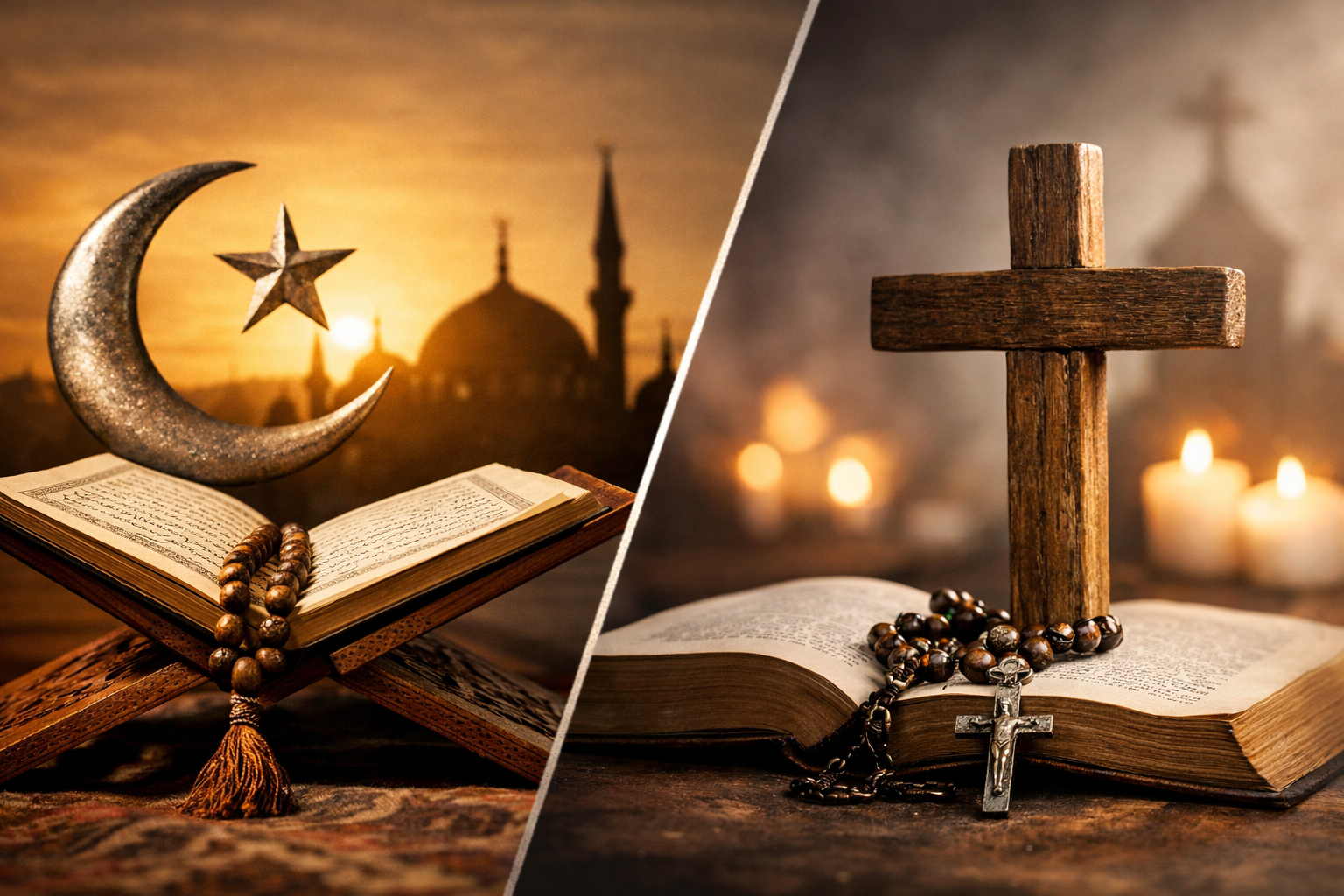
Faith, Reverence and Names: Why Muhammad Is Common but Jesus Is Rare
By Mark Bareta
This article is written following a thought-provoking post on X (formerly Twitter) by @MasterMaliq, who wrote:
“Muhammad is literally the #1 most popular boys’ name across huge parts of the Muslim world 🌍. Christians almost never name their sons Jesus. Why do you think that is? Is it respect… or something deeper?”
It is a simple question, yet it opens the door to a deeper conversation about faith, reverence, and how religious beliefs shape cultural traditions, including the names parents choose for their children.
Across the Muslim world, it is very common to meet men named Muhammad. In fact, it is one of the most widely used names globally. Yet in many Christian societies, especially in Europe and North America, it is rare to find someone named Jesus. This contrast often raises curiosity.
The explanation lies largely in the theological beliefs and reverence each religion attaches to God’s messengers.
Both Christians and Muslims share an important belief about the birth of Jesus. In both faiths, Jesus was conceived by the power of God and born to Mary without the normal biological process. His birth is understood as miraculous and spiritually ordained.
However, the two religions differ significantly in how they understand the nature of Jesus.
In Christianity, many believers hold that Jesus is the Son of God, and within the doctrine of the Trinity, that God became flesh in Jesus Christ. Because of this belief in his divine nature, the name “Jesus” carries a profound level of sacredness. For many Christians, the name is primarily used in prayer, worship, and sacred contexts. As a result, some feel the name is too holy to give to their children.
That said, in some cultures the name does appear in different forms. For example, Joshua shares the same Hebrew origin as Jesus. In Spanish-speaking countries, the name Jesús is also used, though cultural attitudes toward the name vary widely.
In Islam, Jesus known as Isa (peace be upon him) is deeply respected as one of the greatest prophets of God. Muslims believe in his miraculous birth and honour his message. However, Islam does not regard Jesus as divine or the son of God.
Prophet Muhammad (peace be upon him), on the other hand, was born through the normal human process. Muslims believe he was a man chosen by God to deliver the final message of Islam to humanity. He is regarded as the final prophet and the best example of moral character and conduct for Muslims to follow.
Another important distinction lies in how believers direct their prayers. Muslims pray only to Allah, and while they deeply love and respect Prophet Muhammad, they do not worship him or pray to him. In contrast, many Christian traditions involve prayers directed to Jesus, and in some denominations also to angels and saints.
Because Prophet Muhammad is seen as the perfect model of human conduct, many Muslim parents name their sons Muhammad as an expression of love, respect, and hope that their children will grow up to follow his example.
Therefore, the difference in naming traditions is not simply about preference. It reflects deep theological beliefs, reverence, and cultural practices that have developed within each faith over centuries.
Understanding these differences can help foster mutual respect and dialogue between religious communities, particularly in a world where people of different faiths increasingly live side by side.
For me, this reflection also carries a personal dimension. I recently embraced Islam, having converted on 18 February 2026. Like many people on a spiritual journey, learning more about the traditions and perspectives of different faiths continues to deepen my understanding of religion and humanity.
In the end, names are more than labels. They carry history, faith, reverence, and identity often telling a deeper story about what people believe and value most.