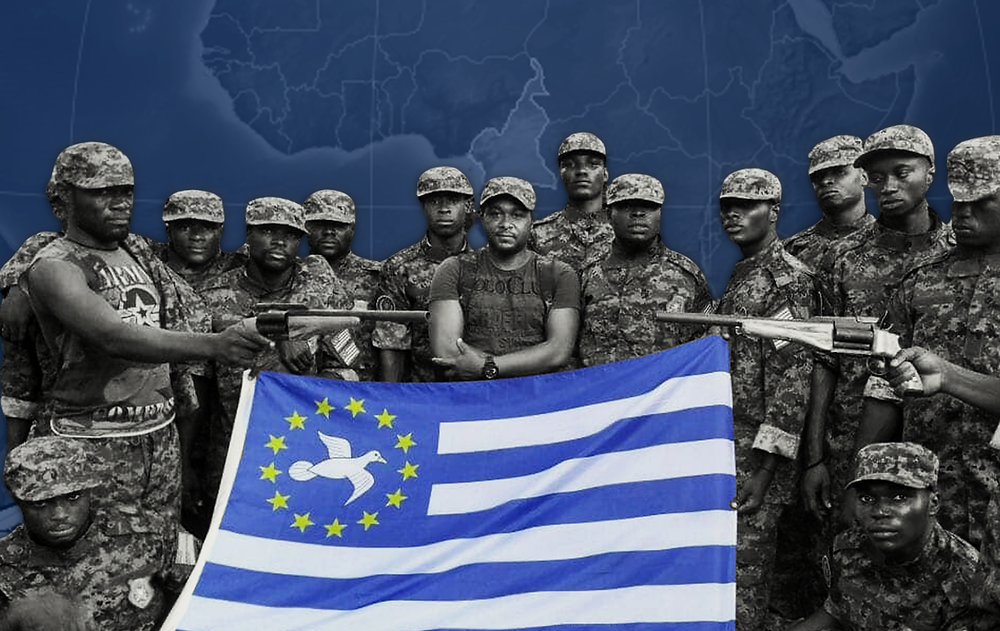
Peace and Conflict Resolution Expert Prof. Willibroad Dze-Ngwa says the armed conflict plaguing Ambazonia cannot simply “die a natural death.”
He says the conflict needs another serious dialogue to achieve a genuine and lasting resolution.
Dze-Ngwa made the remarks on Sunday, October 4, while responding to Prime Minister Joseph Dion Ngute’s recent comments.
The Prime Minister had suggested that the crisis could “die a natural death” within the next 10 to 15 years.
Dion Ngute made the statement while launching a government-led community dialogue in the Southwest Region.
He called on elites, traditional rulers and civil society actors to convince separatist fighters to abandon their arms.
However, Dze-Ngwa argues that time alone cannot resolve an ideological conflict.
He says another dialogue must go beyond calls for fighters to surrender their weapons.
According to him, such a process must address the roots of the Anglophone problem.
It should also discuss the form of the state and questions surrounding equality and dignity.
The treatment of English-speaking and French-speaking Cameroonians must also form part of the conversation, he argues.
Dze-Ngwa says the 2019 Major National Dialogue did not resolve the fundamental issues driving the conflict.
He therefore believes another credible and inclusive process is necessary.
“Time can change the intensity of a conflict,” he wrote.
“Time can exhaust combatants. Time can reduce the frequency of violence.”
“Time can alter political circumstances.”
“But time, by itself, does not resolve the grievances, identities, memories and political ideas that sustain a conflict.”
His conclusion was blunt.
“An ideology cannot be defeated by the calendar.”
The remarks come as the conflict in the English-speaking regions enters another year, with violence and political disagreements continuing to shape daily life.
For Dze-Ngwa, any meaningful solution must therefore confront the issues that produced and continue to sustain the crisis.
The central question remains whether dialogue can move beyond managing the conflict to addressing its underlying causes.
By Lucas Muma | BaretaNews