
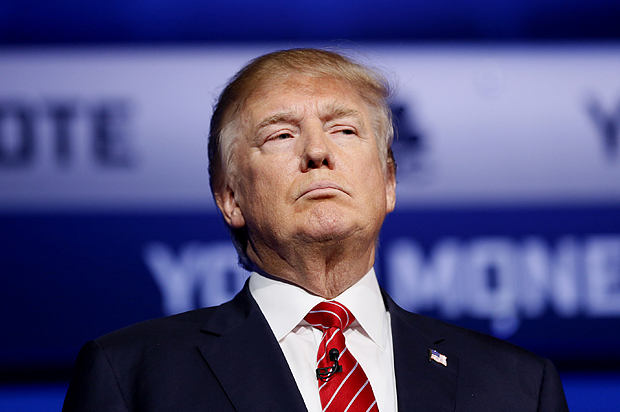

Democrats have won control of both the US House of Representatives and the Senate in the 3 November midterm elections, setting up a major shift in Washington when the new Congress takes office in January.
Reuters and the Associated Press reported gains across Republican strongholds, with voter concerns about living costs, the war with Iran and the conduct of Donald Trump’s administration shaping the contest.
A change in congressional power
The result gives Democrats the prospect of stronger scrutiny of the administration, including committee investigations and greater influence over legislation and spending.
It will also change the balance on presidential appointments. Reuters reported that the incoming Democratic Senate majority could obstruct judicial nominations that previously had a clearer route through the Republican-controlled chamber.
House Democratic leader Hakeem Jeffries is positioned to seek the speakership. His party has made affordability and government accountability central to its plans.
Trump remains president
The midterms elect members of Congress; they do not elect or remove the president. Trump remains in office, and a Democratic congressional majority does not automatically repeal his policies.
Reuters reported that Trump acknowledged the election outcome and expressed willingness to work with Democrats on some issues, while making clear that he could veto legislation he opposed.
What happens next
The outgoing Republican-led Congress retains its powers until the new term begins. Government funding and outstanding nominations remain matters for the current lawmakers during that transition.
For international observers, the practical question is how the new balance affects legislation, spending and oversight. The election result alone does not establish a new US foreign policy.
Sources: Reuters election report; Associated Press election coverage; Reuters on judicial appointments; Reuters on the transition and party priorities.