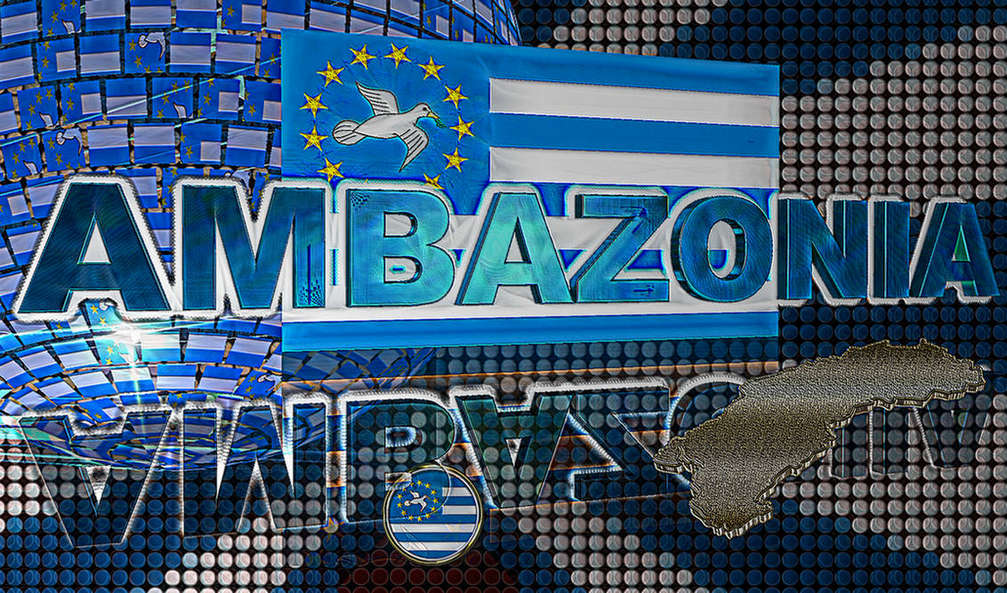
For the people of Ambazonia, May 20 is not a day of celebration. It is a painful reminder of betrayal, annexation, and the systematic destruction of a people’s identity. While La République du Cameroun celebrates what it calls National Unity Day, the people of former British Southern Cameroons remember May 20, 1972, as the day their autonomy was buried and the foundations of today’s conflict were firmly laid.
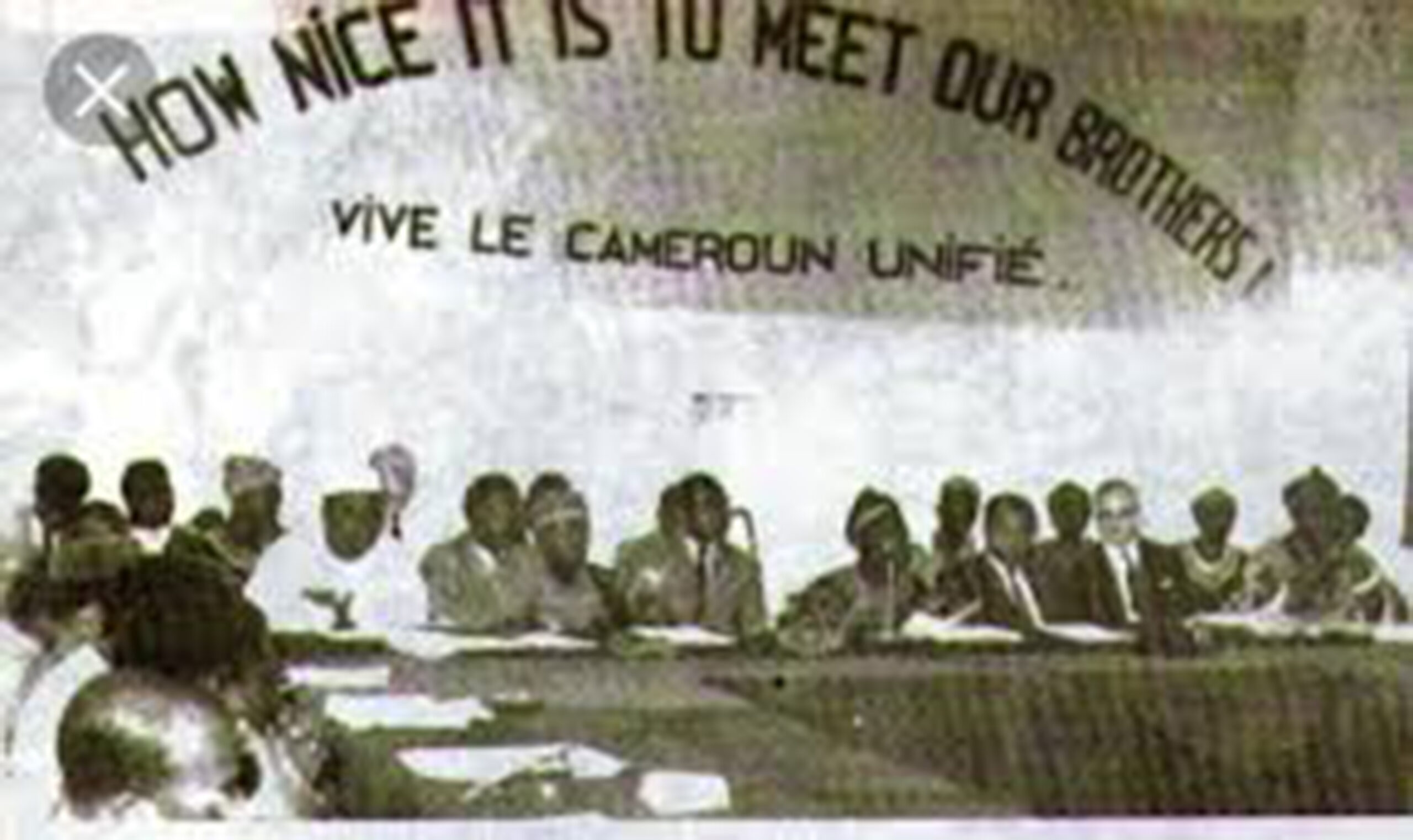
In 1961, former British Southern Cameroons entered into a union with La République du Cameroun under the promise of equality. Two people with different colonial histories, educational systems, legal traditions, and administrative cultures agreed to coexist under a federal structure. It was supposed to be a partnership between equals. West Cameroon and East Cameroon were meant to preserve their identities while building a common future.
But that spirit of coexistence did not last.
From the very beginning, the regime in Yaoundé began centralising power. Institutions belonging to West Cameroon were gradually weakened. The federal arrangement that protected the identity of Southern Cameroons slowly became meaningless as La République tightened its grip over the territory.
Then came May 20, 1972.
Under President Ahmadou Ahidjo, the federal system was abolished through a controversial referendum that many Ambazonians consider illegal and fraudulent. The Federal Republic of Cameroon was transformed into the United Republic of Cameroon. In one political stroke, the autonomy of West Cameroon disappeared. The union of two states was replaced by a highly centralised structure controlled entirely from Yaoundé.
That moment marked the death of the 1961 union.
What had been presented as reunification immediately became annexation. The people of Ambazonia lost control over their institutions, their governance, and their political destiny. The federation that was supposed to guarantee coexistence was dismantled without the consent of the people of Southern Cameroons.
But the story did not end there.
In 1984, President Paul Biya completed what many Ambazonians see as the final phase of the takeover. He changed the country’s name from the United Republic of Cameroon to La République du Cameroun, the exact name French Cameroon carried before the 1961 union.
To many Ambazonians, that act was more than symbolic. It represented the official collapse of the union. The state that reunited with Southern Cameroons in 1961 had effectively returned to its original identity, leaving Southern Cameroons politically abandoned and absorbed without consent.
For many in Ambazonia, 1984 confirmed what they had feared all along. The union had never been about equality. It was a long-term assimilation project designed to erase the identity of the English-speaking people and transform them into extensions of French Cameroon.
Since then, the assault on Ambazonian identity has intensified.
The Anglo-Saxon educational system has been undermined. The Common Law system has been repeatedly violated. French has dominated public administration, courts, schools, and security institutions in Ambazonia. Civil servants who neither speak nor understand English continue to be deployed across the territory. Generations of Ambazonians have grown up watching their identity steadily pushed aside under the weight of Francophone assimilation.
What Yaoundé called ‘national integration’ increasingly became cultural occupation.
Yet despite decades of pressure, the people of Ambazonia have refused to surrender their identity.
Lawyers resisted the destruction of the Common Law system. Teachers resisted the collapse of the Anglo-Saxon educational structure. Students, activists, and ordinary civilians joined in rejecting what they viewed as systematic marginalization and assimilation.
The violent crackdown on peaceful protests in 2016 only deepened the divide. Since then, the conflict in Ambazonia has transformed into a full-scale struggle for separation and self-determination. Thousands have died. Villages have been burned. Millions have been affected by a war rooted in decades of unresolved historical grievances.
Today, as La République marks 54 years of so-called national unity, many in Ambazonia insist there is no unity to celebrate.
To them, May 20 represents the day the federal pact was destroyed. It marks the beginning of a painful journey of assimilation, militarisation, and resistance. What Yaoundé celebrates as unity, many Ambazonians remember as the legalisation of annexation.
And after decades of broken promises, many now believe that coexistence within La République is no longer possible.
Across Ground Zero and within the Ambazonian diaspora, the call has shifted from reform to complete restoration. The demand is no longer for federation. It is for total independence and the establishment of Ambazonia as a sovereign state.
Fifty-four years after the abolition of the federation, the resistance continues. The identity of Ambazonia survives. And despite war, displacement, and repression, the dream of restoration remains alive in the hearts of many Southern Cameroonians who believe their struggle is no longer about reforming a broken union but ending it completely.
By Lucas Muma | BaretaNews