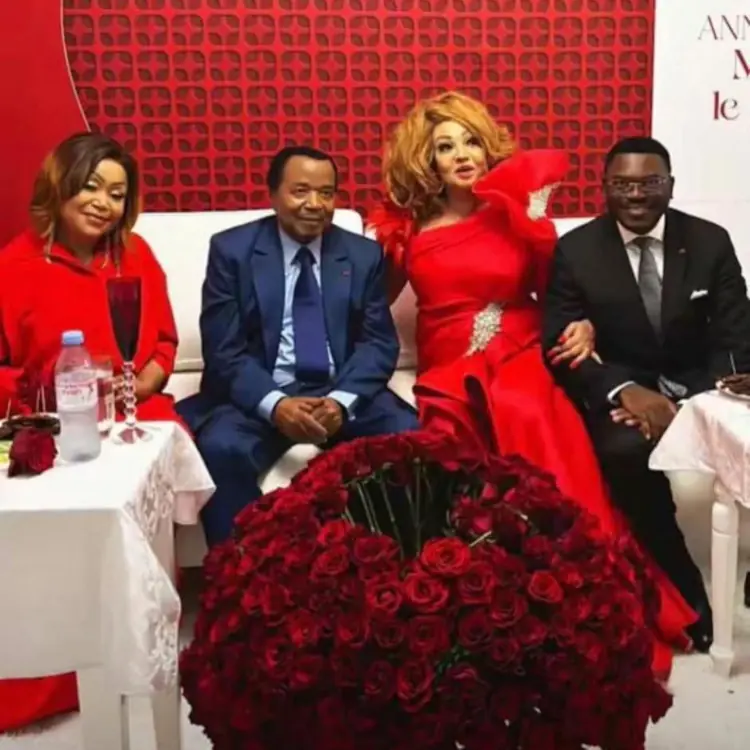
Paul Biya has turned 93. With that milestone, he remains the world’s oldest sitting head of state. On February 13, the long-serving ruler marked another birthday, extending a grip on power that has lasted 43 years. Behind the images of celebration stands a deeper political truth. Cameroon remains under the control of a man who has ruled for nearly half a century.
In the global arena of elderly leaders, Biya stands alone. Iran’s Supreme Leader, Ayatollah Ali Khamenei, is 86. United States President-elect Donald Trump is 79. Even Teodoro Obiang Nguema Mbasogo of Equatorial Guinea, who has ruled for 46 years, is 83. None combines advanced age and decades in power the way Biya does. His longevity is no longer just biological. It is political.
Forty-three years at the helm have shaped a system built around one man. Over time, state institutions have weakened. Constitutional rules have shifted to favour continuity. Elections come and go without real change. Political alternation has never taken root. Each birthday is not only a personal milestone. It is a reminder that the structure of power remains untouched.
Despite visible signs of age, the machinery of government continues to function. Ministers remain in place. Political decisions move through established channels. Yet uncertainty defines the national mood. The electoral calendar lacks clarity. Elite factions in Yaoundé position themselves quietly for a future beyond Biya. No one speaks openly about succession, but everyone prepares for it.
Power today appears symbolic. The presidency has become an icon of permanence rather than a centre of daily engagement. Technocrats handle routine governance. Inner circles manage influence and access. The lack of direct communication from the head of state feeds a sense of mystery. An absent presence defines the regime.
In the short term, the system maintains its state through inertia. Political balances between regions and economic interests remain intact. Stability persists, not through reform, but through the absence of movement. In the long term, however, the question of succession looms large. The older the president grows, the more urgent the issue becomes.
The military, political elites, and foreign partners watch closely. They see a country tied to the endurance of one individual. Across the world, leadership trends move toward renewal and generational change. Cameroon stands apart, anchored in a model many consider outdated.
History across Africa shows that long-standing regimes often appear strongest before sudden change. As Paul Biya celebrates 93 years of life and 43 years in office, the central question remains unresolved. Can a system built around one pillar survive when that pillar is no longer there.
By Lucas Muma