As the world marks Teachers’ Day this October 5, many teachers across Ambazonia have little reason to celebrate.
For teachers in the two Ambazonia, the day comes amid insecurity, poor working conditions, and years of disruption.
Teachers continue to operate in communities where armed conflict has made the classroom increasingly dangerous.
In September, five teachers were reportedly abducted from a teacher training centre in Wum, Menchum Division. A police officer was also killed during the attack.
The incident exposed the risks teachers face simply for reporting to work.
However, the insecurity does not come from one side alone. Teachers and schools have faced threats, abductions, attacks, and restrictions from armed separatist groups.
At the same time, teachers have also had to operate under heavy security deployments and military operations in conflict-affected communities.
The result is a profession caught between competing pressures, with educators often paying the highest price.
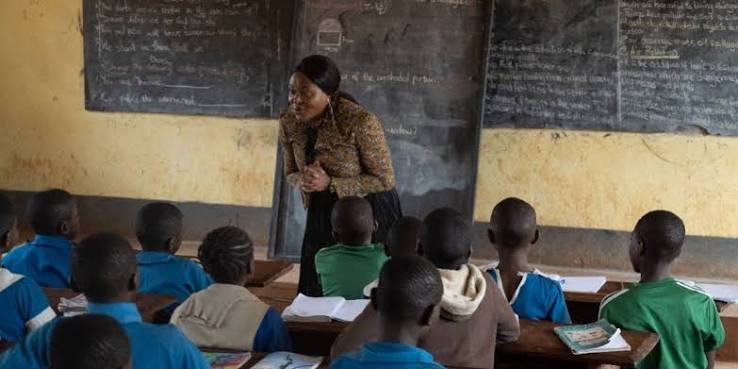
In many rural communities, teachers travel long distances to reach schools. Some work in poorly equipped classrooms with inadequate teaching materials and limited basic services.
Teacher distribution also remains a major challenge. World Bank data shows that deploying and retaining teachers in the Northwest and Southwest remains weak, particularly in primary and general secondary education.
The crisis has also severely disrupted education itself.
More than 2,400 schools remained closed across the Northwest and Southwest as of 2025, according to UNICEF and education partners.
Yet, despite the dangers and difficulties, many teachers continue entering classrooms.
They teach children to read and write. They prepare students for examinations. They counsel children living through conflict and keep schools functioning where possible.
But appreciation alone cannot address their reality.
Teachers need timely salaries, adequate teaching materials, safer schools, better infrastructure, and protection from violence.
They also need a system that recognises the extraordinary burden placed on educators in conflict-affected communities.
World Teachers’ Day marks 60 years since the adoption of the 1966 ILO/UNESCO Recommendation concerning the Status of Teachers.
This year’s theme is “Standing with teachers: 60 years of protecting the profession, advancing its status and shaping our futures.”
For teachers across Ambazonia, standing with teachers must mean more than speeches and ceremonies.
It must mean making the classroom safe again.
It must mean treating teachers with dignity.
And above all, it must mean ensuring that those who educate the next generation are not left to navigate war, poverty, and neglect alone.