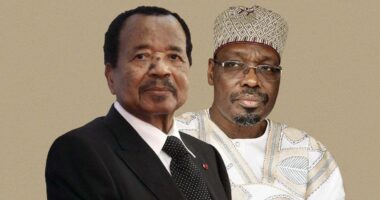
New Vice President role seen as loyalty tool while Southern Cameroons crisis is completely ignored
The colonial regime in Yaoundé has once more unveiled what it calls a constitutional “reform,” but to many observers across Ambazonia, this latest move is nothing short of a calculated power grab dressed in legal clothing. Beneath the polished language of modernisation lies a system carefully designed to tighten President Paul Biya’s grip on power while offering nothing to address the deepening crisis in Southern Cameroons.
At the center of this controversial draft is the creation of a Vice President position. On paper, it appears progressive. In practice, it is a hollow office fully controlled by the President. Every power assigned to the Vice President comes directly from the Presidency, with no independent mandate or protection. The office holder can be appointed, reshuffled, or dismissed at any moment without explanation. In effect, the role becomes one of survival through loyalty, not service to the people.
Political analysts say this structure kills any chance of independence within the executive. It shuts down dissent before it can even begin. Instead of building a balanced government, the regime is creating a system where absolute obedience is rewarded and critical voices are silenced. The Vice President, under this model, becomes a ceremonial figure whose main task is to echo the President’s will.
For many in Ambazonia, the most painful aspect of this so-called reform is what it deliberately ignores. The reform deliberately ignores the ongoing war in Southern Cameroons, which has claimed thousands of lives and displaced millions. There is no roadmap to peace. No effort to address marginalisation. No attempt to rebuild trust between the people and the state. This silence conveys a more powerful message than any clause in the document.
Observers warn that the adoption of this bill could further deepen the divide. With no constitutional safeguards, the possibility of both the President and Vice President coming from the Francophone majority remains high. In the current climate of conflict, such an outcome would only reinforce long-standing grievances in Ambazonia and push the crisis further out of reach.
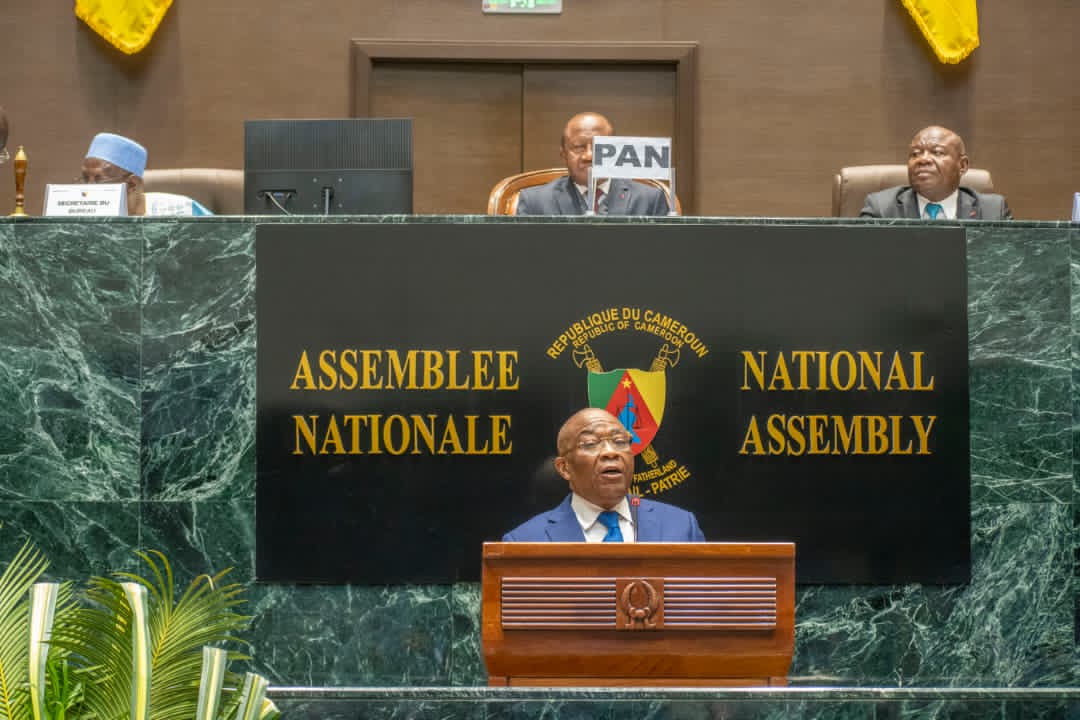
Another major concern lies in the provisions governing the High Court of Justice. The conditions required to hold the President accountable are so extreme that impeachment becomes nearly impossible. Both legislative chambers must agree in an open vote with a four-fifths majority. This exposes lawmakers to pressure and intimidation while setting a practically unreachable threshold. What is presented as accountability is, in reality, a shield for impunity.
In the end, this constitutional project does not solve Cameroon’s problems. It strengthens one man’s control while ignoring the suffering of millions in Ambazonia. It creates the illusion of reform, undermines democratic principles, and leaves the country’s most profound wounds unaddressed.