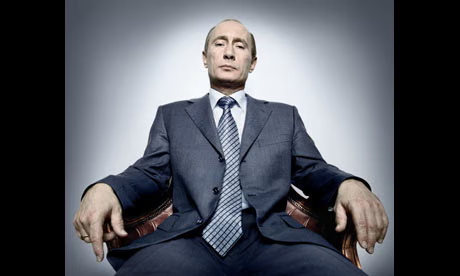

The West’s Hypocrisy: Putin’s Vindication and the Dangerous Precedents in Global Politics
By James Agbor BaretaNews – January 4, 2026
In a thought-provoking analysis shared on social media, political commentator Ray Timah highlights the stark inconsistencies in Western foreign policy, arguing that Russian President Vladimir Putin has emerged as one of the most vindicated leaders in recent history. Timah, who initially opposed Russia’s invasion of Ukraine on grounds of violating territorial integrity and sovereignty, now points to a series of actions by the United States and its allies that mirror or exceed the very accusations leveled against Moscow.
Timah maintains his principled stance against the Ukraine invasion but asserts that events since then have exposed Western double standards. “As of today, Vladimir Putin remains the most vindicated political leader in contemporary history,” Timah writes. He argues that the U.S. and its partners have either committed or supported crimes they once condemned in Ukraine, including war crimes and crimes against humanity.
Central to Timah’s critique is the ongoing crisis in Gaza. While the West pushed for an International Criminal Court (ICC) arrest warrant against Putin for alleged atrocities in Ukraine, it has staunchly defended Israel amid accusations of genocide in Gaza. Timah notes that the U.S. has denied the existence of genocide even as reports indicate over 50,000 children have been killed. In contrast, Western leaders have claimed a “White genocide” in South Africa without substantial evidence.
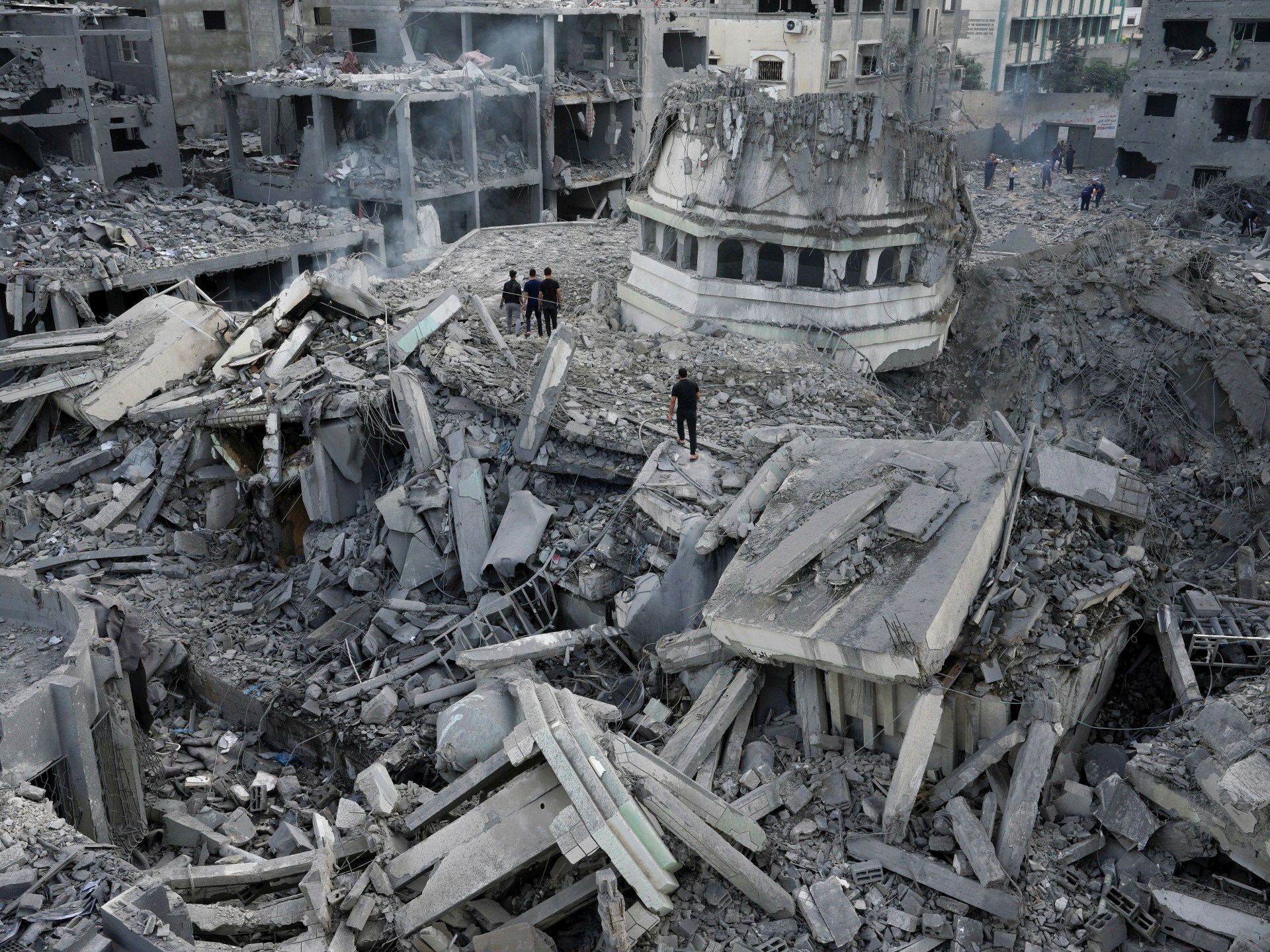
The toll in Gaza is staggering: Since October 2023, Israel has reportedly eliminated 278 journalists, injured 538 media staff, and carried out 492 attacks on healthcare facilities, resulting in the deaths of 727 health workers. Yet, the U.S. insists these do not constitute war crimes. Furthermore, Washington has gone so far as to sanction ICC judges who advocate for upholding international law against Israel—the same court praised by the U.S. when it charged Putin.

Timah extends his argument to other recent actions, such as U.S. and Israeli bombings in Iran and the bombing, arrest, and kidnapping of Venezuela’s president. These, he says, obliterate any moral high ground against Russia’s violations of territorial integrity. “It’s a terrible precedence and an open cheque to any bully who can suppress another,” Timah warns, drawing parallels to the paths that led to World Wars I and II.
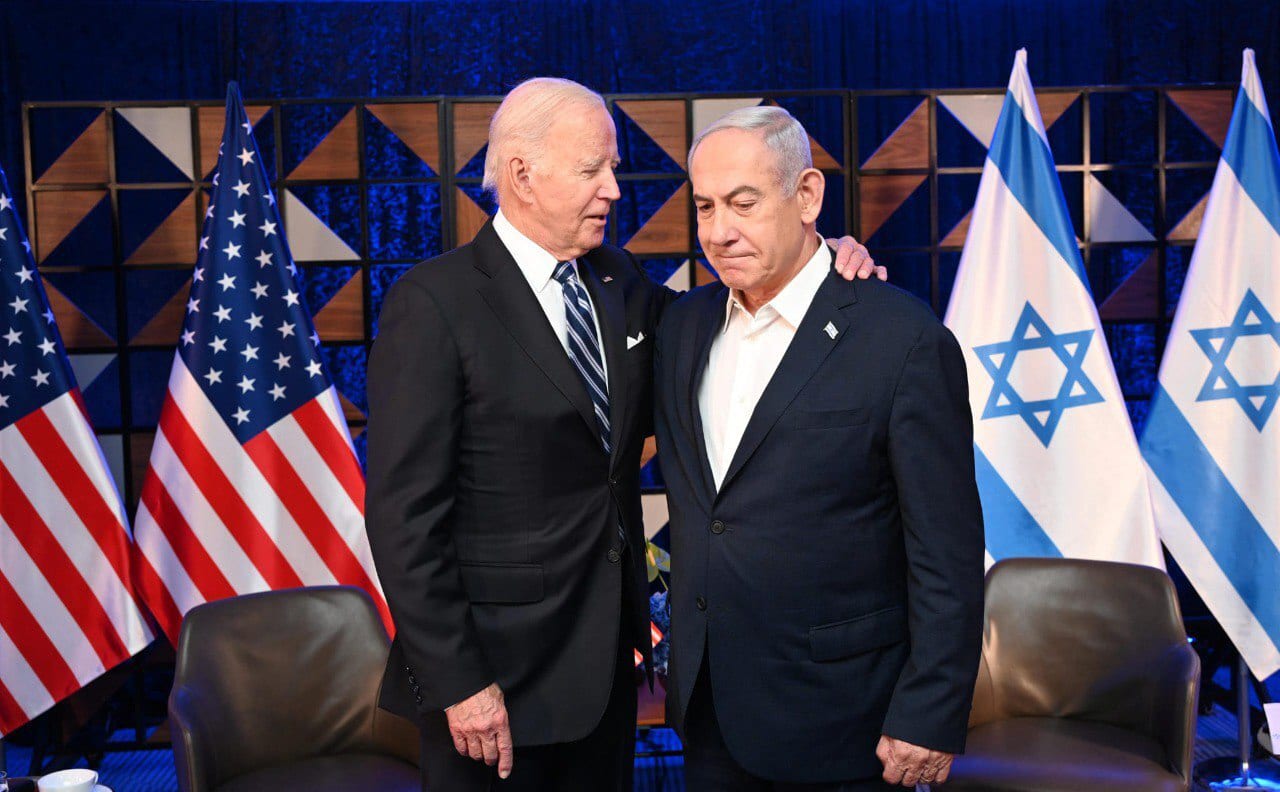
Flipping the coin, Timah challenges supporters of such interventions—particularly those backing figures like U.S. President Donald Trump—to consider the implications. What if Putin invades Georgia, arrests its president, and trials him in Moscow? Or if China strikes Taiwan and kidnaps its leader for trial in Beijing? What about France kidnapping Burkina Faso’s Ibrahim Traore and taking him to Paris? “Bad precedence means a lot to those with foresight,” Timah emphasizes.
He invokes historical lessons, recalling how the CIA and Belgian intelligence “defined” Congolese Prime Minister Patrice Lumumba as a threat before orchestrating his arrest and assassination. As an African adage puts it: “To hang a dog, you must give it a bad name.”

Timah’s post serves as a stark reminder of the fragility of international norms. In an era where power often trumps principle, such hypocrisy risks unraveling the global order, inviting stronger nations to prey on the weak without repercussion. As the world watches, the question remains: Will these precedents lead to greater stability or sow the seeds of future conflicts?


