As preventable deaths rise in Ground Zero, questions mount for church leaders and authorities who keep quiet while a people perish
BAMENDA, AMBAZONIA — In the heart of Ground Zero, the once-vibrant city of Bamenda is fast becoming a valley of death, where preventable tragedies unfold daily under the watch of both civil authorities and spiritual leaders who have chosen the comfort of silence.
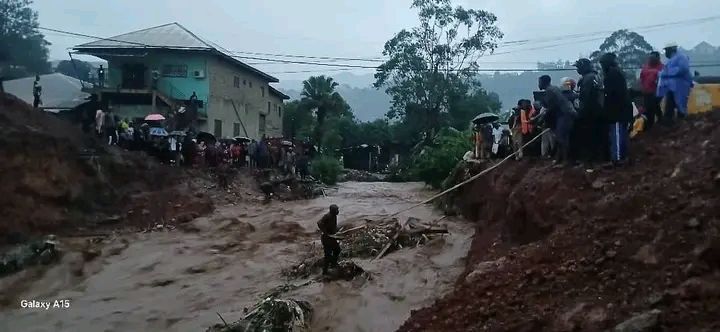
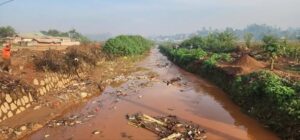 Day after day, lives are being lost in circumstances that should never exist in the 21st century. In a land blessed with abundant resources, the people of Bamenda are still cut off from their homes by broken and non-existent bridges. What should be considered basic infrastructure has now transformed into a deadly trap. Families mourn loved ones swept away, not in some remote village, but right in the middle of an urban centre abandoned to decay.
The questions are growing louder across Ambazonia. Do the Archbishop, priests, and pastors serving in Bamenda not see the suffering of their people? When they gather in prayer, what do they tell God about the blood that continues to flow on these streets? Or has silence now been baptised as “pastoral caution” at a time when the people need a prophetic voice?
Many are still struggling to understand what transpired when these same religious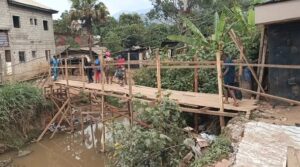 leaders had that rare audience with the regime in Yaoundé. At a moment when Bamenda was crying for life-saving interventions, not a word was heard about the city’s collapse into chaos and death. That silence now echoes louder than any sermon.
As Sunday approaches, a haunting question lingers. What message will be delivered from the pulpits across Bamenda? Will it be one of hope and truth, or the usual comfort that avoids confronting the harsh reality on the ground? Can a person be told that God loves them while their daily experience suggests abandonment by both man and the system?
Let it be clear, this is not politics. This is life and death. It is about a city where something as simple as a bridge has become a luxury and where negligence continues to claim innocent lives.
Even more troubling is the glaring contrast in priorities. Authorities ignore critical infrastructure that could save lives while spending scarce resources on cosmetic projects like street washing. The people are left wondering whether their lives matter at all to those in positions of authority.
Nevertheless, raising these concerns often attracts quick accusations and dismissal. The convenient label of “politics” is deployed to silence genuine cries for help. Meanwhile, the death toll rises, and Bamenda sinks deeper into neglect.
In this land of the brave, the silence of those meant to speak truth to power is becoming deafening. And as the city continues to bleed, one truth stands clear. Ambazonians are being left to navigate a broken system where even survival now feels like a daily gamble.


