Ambalandia Launch Signals New Global Push on Southern Cameroons Question
By James Agbor | BaretaNews

Rome, Italy —A new cultural-diplomatic publication, Ambalandia Magazine, is set to be officially launched this Saturday, March 28, 2026, in what organisers describe as a significant step towards reshaping global understanding of the Southern Cameroons (Ambazonia) question.
The launch, to be held via an international Zoom event, is expected to convene academics, legal minds, diplomats, and members of the Ambazonian diaspora in a structured unveiling of the magazine’s inaugural issue.
A cultural approach to a political crisis
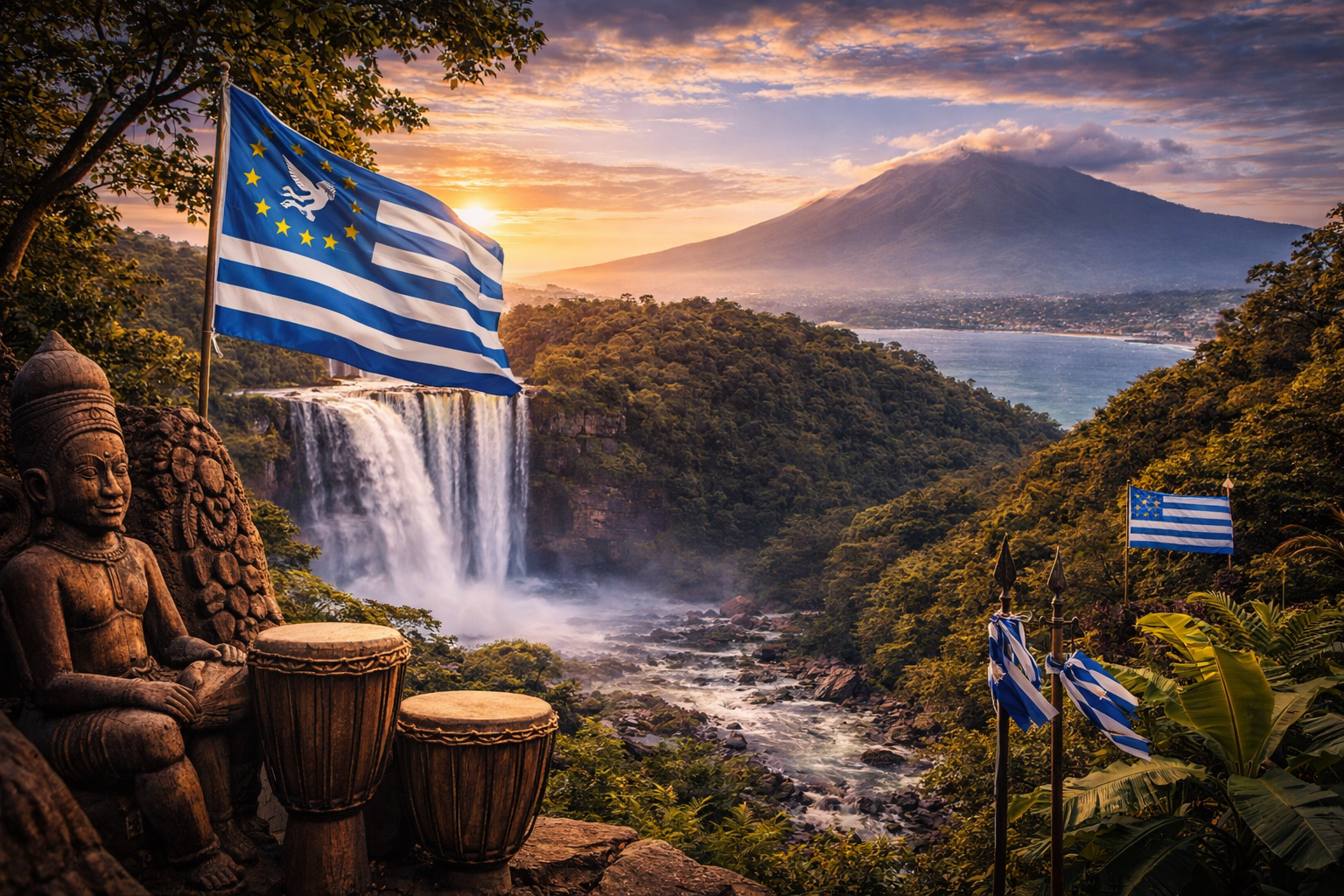
Ambalandia positions itself as more than a conventional publication. According to its editorial framework, it is a “cultural-diplomatic review” designed to capture the lived experiences, heritage, and evolving narratives of the people of Southern Cameroons .
The publication argues that the roots of the conflict extend beyond politics, emphasising the role of identity, memory, and culture in shaping the current crisis. It states that long-standing disputes should be understood not only through legal or political lenses, but also as human and cultural questions.
In its opening sections, the magazine highlights the idea that Ambazonia represents a “living cultural landscape,” where traditions, language, and collective memory continue to define a people’s sense of identity despite years of conflict .
Focus on governance and international law
A significant portion of the publication examines governance and legal issues surrounding the crisis. Central to this is the case of the Nera10 Ambazonian Prisoners of Conscience (Nera10APoCs), which Ambalandia frames as an international legal matter rather than a domestic criminal case.
The magazine references the UN Working Group on Arbitrary Detention Opinion No. 059/2022, noting findings that include arbitrary detention and lack of jurisdiction . It argues that the case reflects broader unresolved questions linked to decolonisation and self-determination.
This perspective challenges widely held narratives and seeks to reposition the conflict within international legal and diplomatic frameworks.
Emergence of a unified front
The publication also highlights recent developments within the Ambazonian movement, particularly the formation of the Southern Cameroons Ambazonia United Front (SCAUF).
Described as a coordination platform, SCAUF aims to bring together different actors, streamline diplomatic messaging, and strengthen engagement with international institutions. Ambalandia presents this as a step towards greater organisational coherence in a movement often characterised by fragmentation.
Analysts say such efforts could influence how the issue is perceived internationally, especially in forums where unity and clarity are seen as prerequisites for engagement.
Diplomacy and international attention
In its diplomacy section, the magazine examines the broader international context of the conflict, including reactions to a proposed papal visit to the region.
The discussion reflects differing views within the Ambazonian community, with some seeing potential for increased global visibility, while others question whether symbolic visits can address underlying political issues.
Ambalandia suggests that international attention has remained limited despite the scale of the humanitarian situation, which includes displacement, disruption of education, and economic hardship.
Culture and society under strain
Beyond politics, the publication devotes substantial attention to cultural and civic life. It explores how art, music, education, and community initiatives continue to function as mechanisms of resilience.
According to the magazine, cultural expression plays a central role in preserving identity and sustaining communities affected by conflict. It highlights the contributions of women and young people, describing them as key actors in maintaining social cohesion and driving innovation.
These elements, the publication argues, are essential to understanding both the present realities and future trajectory of the region.
A shift in narrative strategy
Observers note that the launch of Ambalandia reflects a broader shift towards narrative-building and intellectual engagement within the Ambazonian movement.
Rather than focusing solely on political advocacy, the initiative seeks to document experiences, present arguments, and engage global audiences through structured analysis and storytelling.
The publication states that its long-term goal is to contribute to international conversations on identity, sovereignty, and the future of nations.
Looking ahead
While it remains unclear what immediate impact the magazine will have on policy or diplomacy, its launch will signal an effort to influence how the Southern Cameroons question is understood beyond the region.
By combining cultural documentation with legal and political analysis, Ambalandia represents an attempt to broaden the scope of engagement and bring new perspectives into an ongoing and complex conflict.
For many observers, the development underscores a growing recognition that the next phase of the crisis may be shaped not only by events on the ground, but also by how the story is told on the global stage.


