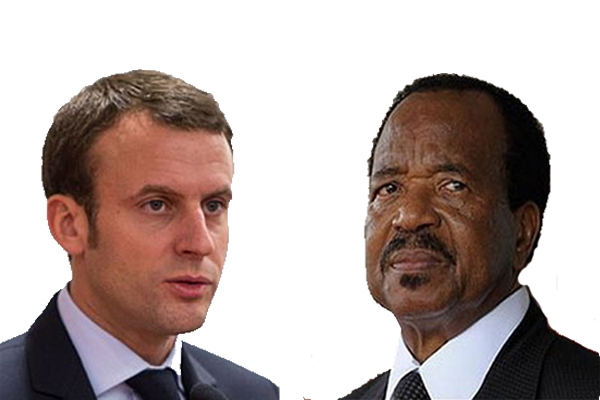

Cameroon is facing a period of uncertainty as rumours swirl about the declining health of its long-serving president, Paul Biya. The 91-year-old leader is reportedly suffering from advanced prostate cancer and is currently receiving treatment in France. Sources suggest that his condition has worsened, raising concerns about a potential power vacuum in the country.
Biya, who has ruled Cameroon since 1982, has remained largely out of the public eye, fueling speculation about his ability to govern. Despite his age and health concerns, he had previously expressed intentions to run for re-election in 2025, but the current situation has cast doubt on whether he will be able to continue leading the nation.
As one of Africa’s longest-serving leaders, Biya’s leadership has been marked by both stability and controversy. His supporters praise him for maintaining peace in a country that has been plagued by ethnic and regional conflicts, while critics accuse his government of authoritarianism and suppressing political opposition.
Amid these developments, reports have surfaced suggesting that French authorities are preparing for a potential leadership transition in Cameroon. Diplomatic sources indicate that behind-the-scenes discussions are taking place to manage the political situation in case Biya’s health deteriorates further.
Cameroonians are left contemplating the future of their country. Many are expressing concerns about what a post-Biya era might look like, given the lack of a clear succession plan and the ongoing separatist conflict in the Anglophone regions. The question of who might step into leadership remains unresolved, adding to the political tension.
Internationally, Cameroon is a key player in the Central African region, and its stability is of paramount importance to its neighbors. A sudden change in leadership could have far-reaching effects, both domestically and across the region.
Local analysts argue that a democratic transition is overdue, urging for reforms that could help the country avoid a political crisis. However, there is also concern about whether Cameroon’s institutions are strong enough to handle such a change without triggering unrest or violence.
As the situation unfolds, all eyes are on the nation’s political elite and international partners, who may need to step in to facilitate a smooth transition if Biya is no longer able to lead.
With President Biya’s health reportedly in rapid decline, Cameroon finds itself at a pivotal moment. The future of the country remains uncertain, as political observers await confirmation on Biya’s condition and the potential ramifications for the leadership of this key Central African nation.
Source: Phoenix Browser.