
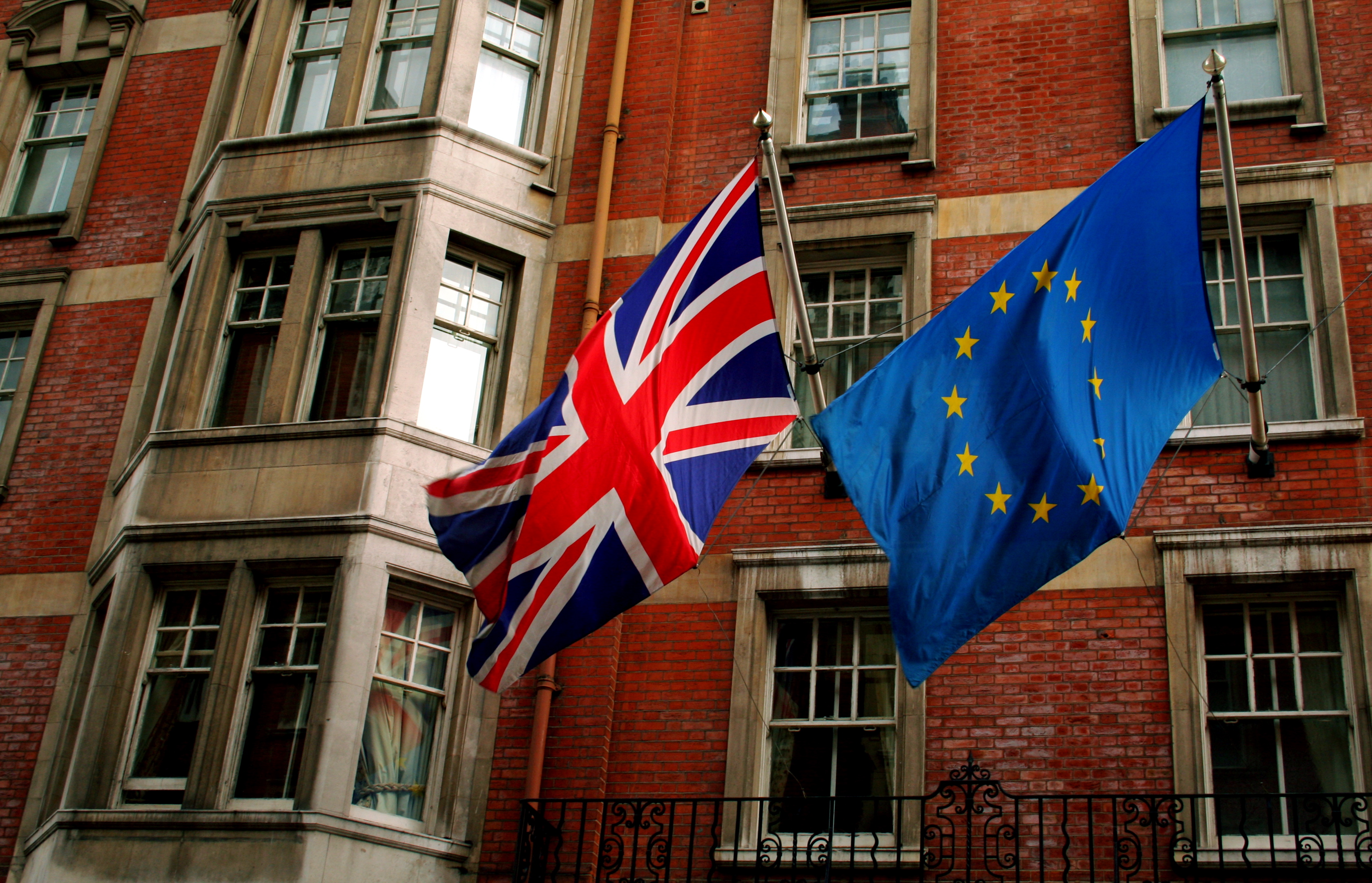

Britain and the European Union have agreed a major post-Brexit package covering food and agricultural trade, linked carbon markets and a reciprocal youth mobility scheme, following a summit in Brussels on Friday, 20 November 2026.
The agreements are intended to reduce trade barriers and deepen cooperation a decade after the UK voted to leave the EU. Some measures will not take effect until 2028 or later, and negotiations over university tuition fees remain unresolved.
Food trade checks to be reduced
Under the new sanitary and phytosanitary agreement, Britain and the EU plan to remove many certificates and border checks affecting animals, plants, food and agricultural products.
The UK government’s official explainer says the arrangement will create a common area applying the same food and plant-safety rules. It is expected to apply from 1 March 2028, subject to British and European procedures.
The government says the change should make it easier to move products between Great Britain and the EU and reduce paperwork on goods moving to Northern Ireland. Its estimates that the food deal could add £5.1 billion a year to the economy by 2040 are official projections rather than independently established outcomes.
Carbon markets to be linked
The two sides also agreed to link the UK Emissions Trading Scheme with the EU system, with the aim of making the connection operational from 1 January 2028.
The arrangement would allow allowances issued in either market to be used for compliance and is expected to exempt qualifying British and EU goods from each other’s carbon-border charges.
The UK government estimates that linking the markets could add almost £3.8 billion a year to the economy by 2040 and remove carbon-border costs affecting about £6.5 billion of British exports. Those figures are government forecasts and will depend on implementation and wider economic conditions.
Youth experience scheme agreed
A reciprocal Youth Experience Scheme will allow up to 100,000 people from each side every year, initially aged between 18 and 31, to live, work, study, volunteer, au pair or travel in the other’s territory for up to three years.
The scheme will not provide access to benefits or allow participants to bring dependants, according to the British government. The first participants are expected to travel no later than January 2030.
Reuters and the Associated Press independently reported the agreements and the annual 100,000-person limit on each side.
Tuition fees remain unresolved
The package does not settle how much British students studying in the EU, or European students studying in Britain, will pay in university tuition fees.
The joint UK–EU statement commits both sides to negotiate a supplementary agreement on tuition fees within six months.
AP reported that an EU official regarded implementation of the wider package as contingent on resolving the fees issue. The British government says negotiations on the three main agreements have concluded and that both sides will now work towards implementation.
Closer security cooperation
The summit also produced commitments to closer cooperation on Ukraine, cyber threats, Russia’s so-called shadow fleet, irregular migration and the protection of democratic institutions.
Prime Minister Andy Burnham called the package a landmark, while European Commission President Ursula von der Leyen described it as a turning point in relations. The agreements move Britain closer to selected EU rules and programmes but do not amount to the UK rejoining the European Union.
This report will be updated if the two sides publish further implementation documents or materially change the announced timetable.