
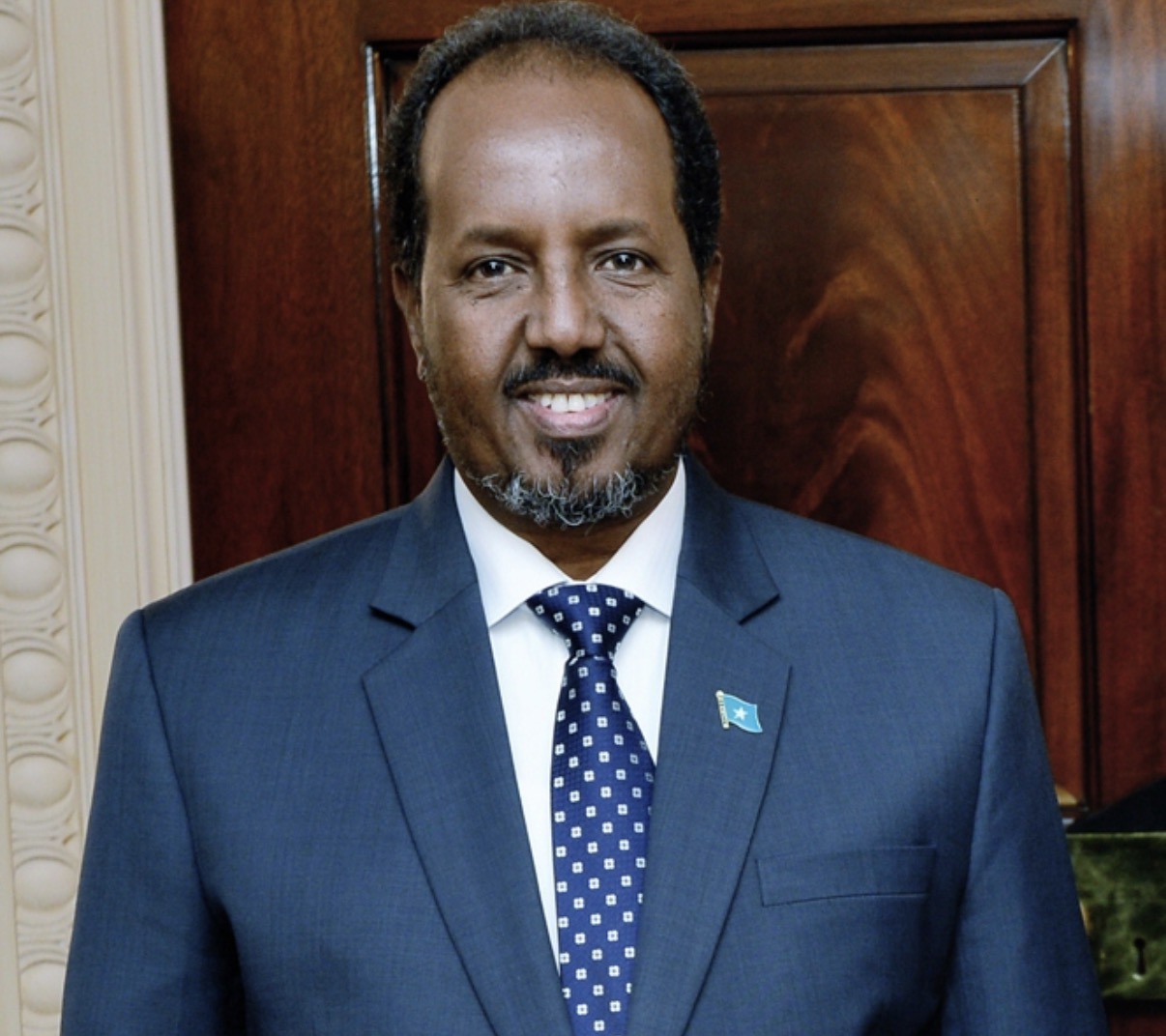

Somalia has ordered the United Arab Emirates ambassador to leave within 72 hours and recalled its own envoy from Abu Dhabi, deepening a dispute over sovereignty, security and the Gulf state’s ties with regional authorities.
The decision was announced on Thursday, 19 November 2026, after a meeting of Somalia’s Council of Ministers chaired by Prime Minister Hamza Abdi Barre.
Somalia’s government accused the UAE of actions that threatened the country’s sovereignty and unity. Those accusations remain allegations, and the Emirati government has rejected Mogadishu’s account.
Ambassador ordered to leave
According to the Somali National News Agency, the cabinet instructed the Foreign Ministry to recall Somalia’s ambassador for consultations and told the UAE ambassador to depart within 72 hours.
The official announcement did not say that diplomatic relations had been severed. It said the government would brief foreign governments and international organisations on its position and take further measures to protect Somalia’s sovereignty.
President Hassan Sheikh Mohamud had earlier accused Abu Dhabi of supporting regional administrations and security forces outside federal control. The Somali government also objected to UAE-linked arrangements involving ports and military facilities in parts of the country.
Reuters reported that the UAE has long denied interfering in Somalia’s internal affairs. The federal government has limited authority in several self-governing regions that maintain their own external relationships.
UAE rejects Somalia’s claims
In an official response, the UAE Foreign Ministry described Somalia’s approach as “escalatory and hostile” and said Mogadishu was drawing internal political disputes into bilateral relations.
The ministry said the UAE had already closed its embassy in Mogadishu and withdrawn its diplomatic staff in January 2026. It nevertheless said Abu Dhabi remained committed to maintaining ties with the Somali people.
Relations deteriorate further
The latest action follows Somalia’s January decision to cancel agreements with the UAE covering ports, defence, security and government cooperation. Some regional administrations rejected Mogadishu’s authority to terminate agreements affecting their territories.
The dispute is consequential because the UAE has previously financed and trained Somali security personnel and invested in ports along strategically important shipping routes. Reuters and the Associated Press independently reported the expulsion order and the UAE’s rejection of the allegations.
The 72-hour deadline intensifies the diplomatic confrontation, but neither government had announced a complete break in relations at the time of publication.


