

Archive report: drafted on 15 November 2026 and first published online on 20 November 2026. The displayed article date preserves the original draft date. This report describes developments at that time; any later review update is dated separately.
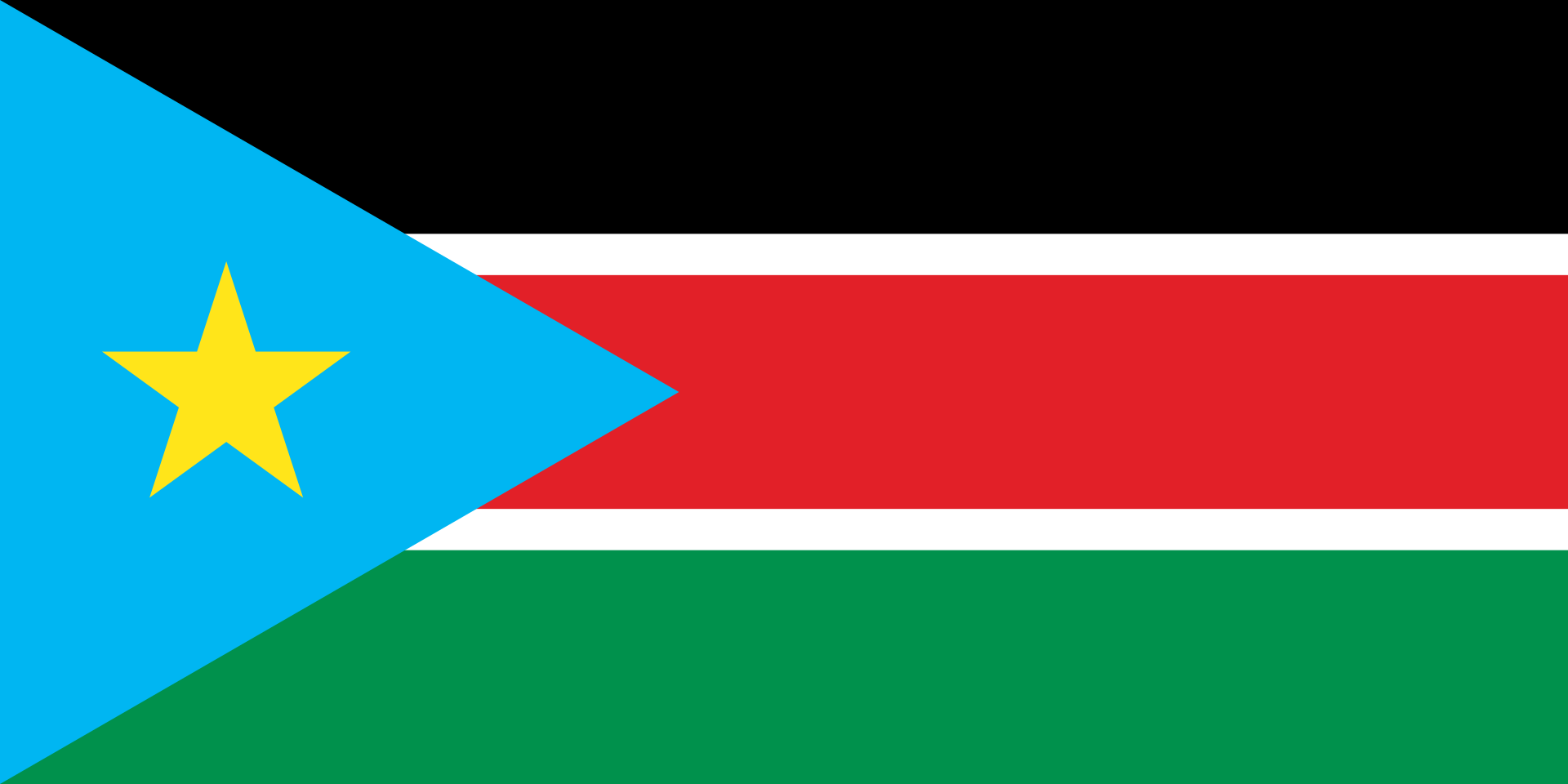
Featured image: National flag of South Sudan. Illustrative graphic. Credit: Achim1999 / Wikimedia Commons; public domain. Image source.
South Sudan’s National Elections Commission has postponed the country’s first national election since independence, moving polling day from 22 December 2026 to 11 February 2027.
The revised timetable was issued on Saturday, 14 November, as voter registration was due to begin. It covers presidential and parliamentary elections and extends the electoral process by nearly two months.
Commission cites preparations
Commission spokesperson Josephine Achiro Fortelo told Reuters that the timetable followed consultations with stakeholders. A commission statement cited by the news agency said the additional time was needed for preparations, including distributing registration materials, establishing registration centres and completing logistical arrangements.
The Associated Press separately reported that the revised calendar sets candidate-nomination and campaigning dates as well as the new polling day.
Voter registration is scheduled to run from 14 to 28 November at 3,161 centres across South Sudan’s 10 states and three administrative areas. The revised calendar places publication of the final candidate list between 18 and 21 January 2027, with campaigning set to end on 9 February.
Repeated delays and security concerns
The vote has been postponed several times since South Sudan gained independence in 2011. The country formally emerged from a five-year civil war through a 2018 peace agreement, but political tensions, localised violence, funding shortages and incomplete transitional arrangements have continued to raise questions about electoral readiness.
On 10 November, the United Nations Mission in South Sudan said key concerns remained over security, logistics and the compressed timetable. UN mission chief Anita Kiki Gbeho urged the country’s leaders to pursue inclusive political dialogue and warned that elections could not substitute for implementing the peace agreement. The UNMISS statement was issued before the commission announced the latest delay.
South Sudan’s electoral authorities have not indicated that the postponement changes the wider political arrangements under the caretaker administration. Further details are expected as voter registration and candidate nominations proceed.


