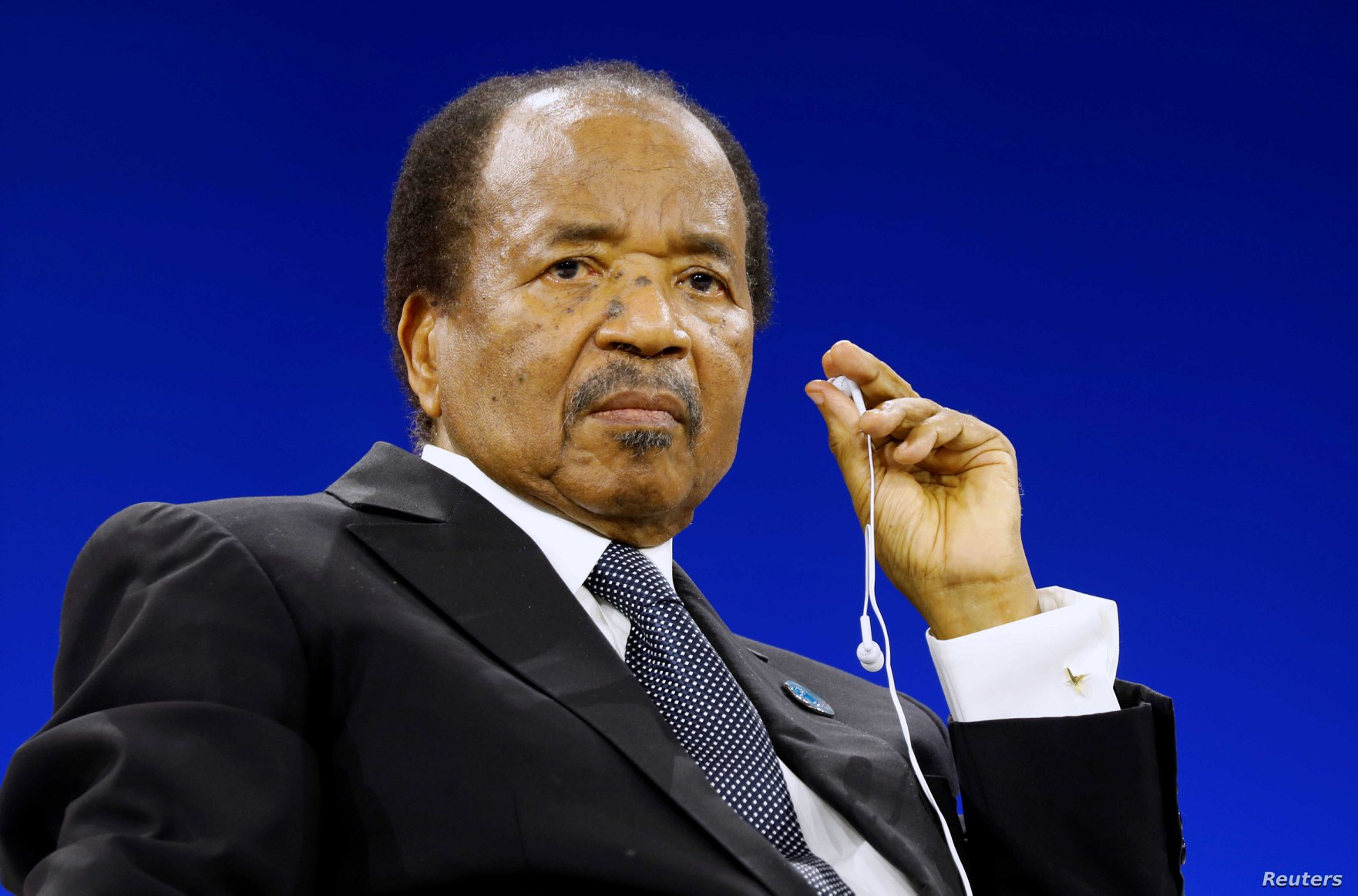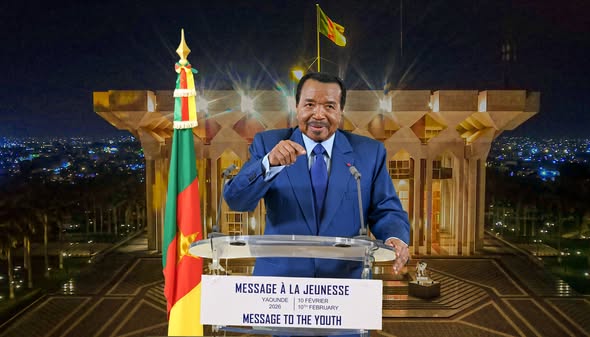

President Paul Biya has confirmed a fresh postponement of Cameroon’s legislative and municipal elections, effectively extending the mandates of Members of Parliament and municipal councillors once again. He made the announcement on Tuesday, February 10, 2026, addressing the youth on the eve of the 60th edition of National Youth Day celebrations. The announcement deepens public frustration over repeated delays to the country’s electoral calendar.
Rather than making a direct electoral announcement, President Biya embedded the information in a broader speech focused on youth employment, entrepreneurship, and perseverance. Political analysts say the choice of timing and format was deliberate and strategic.
Elections Pushed Further Without Clear Dates
In his address, President Biya indicated that the timetable for the double election would be “adjusted”, a formulation widely understood as another postponement. No new election date was announced. As a result, the current mandates of municipal councillors and Members of Parliament will be extended beyond their legal term limits, under conditions that remain unclear.
A Pattern of Repeated Electoral Delays
This is not the first time Cameroon has postponed key elections. Over the past years, legislative and municipal polls have been repeatedly delayed, often through extensions voted by Parliament. These postponements have fuelled ongoing debates about constitutionalism, democratic accountability, and respect for electoral deadlines.
Youth Meets Political Reality
The President used the speech to encourage young people to remain resilient despite unemployment and economic hardship. He urged them to believe in themselves and pursue entrepreneurship as a path to success. However, the message appeared disconnected from political realities, as many young Cameroonians view elections as a pathway to renewal, representation, and participation in governance.
Unanswered Questions Surround the Postponement
The lack of official justification for the delay has raised concerns among political actors and civil society. Authorities have not explained the legal, technical, or political reasons for the adjustment, nor have they clarified how long the mandate extensions will last. This uncertainty continues to affect political planning and public confidence in the electoral process.
Between Political Continuity and Demand for Change
Cameroon’s youth make up the majority of the population and increasingly demand greater inclusion in decision-making. The continued retention of long-serving elected officials reinforces perceptions of political stagnation. For many, the postponement further reduces hope for institutional renewal through democratic means.
As Cameroon enters yet another period of electoral uncertainty, the contrast between calls for youth perseverance and the repeated delay of democratic processes remains striking. The question now is how long public patience, particularly among young citizens, can withstand the continued suspension of electoral expectations.
By Lucas Muma