
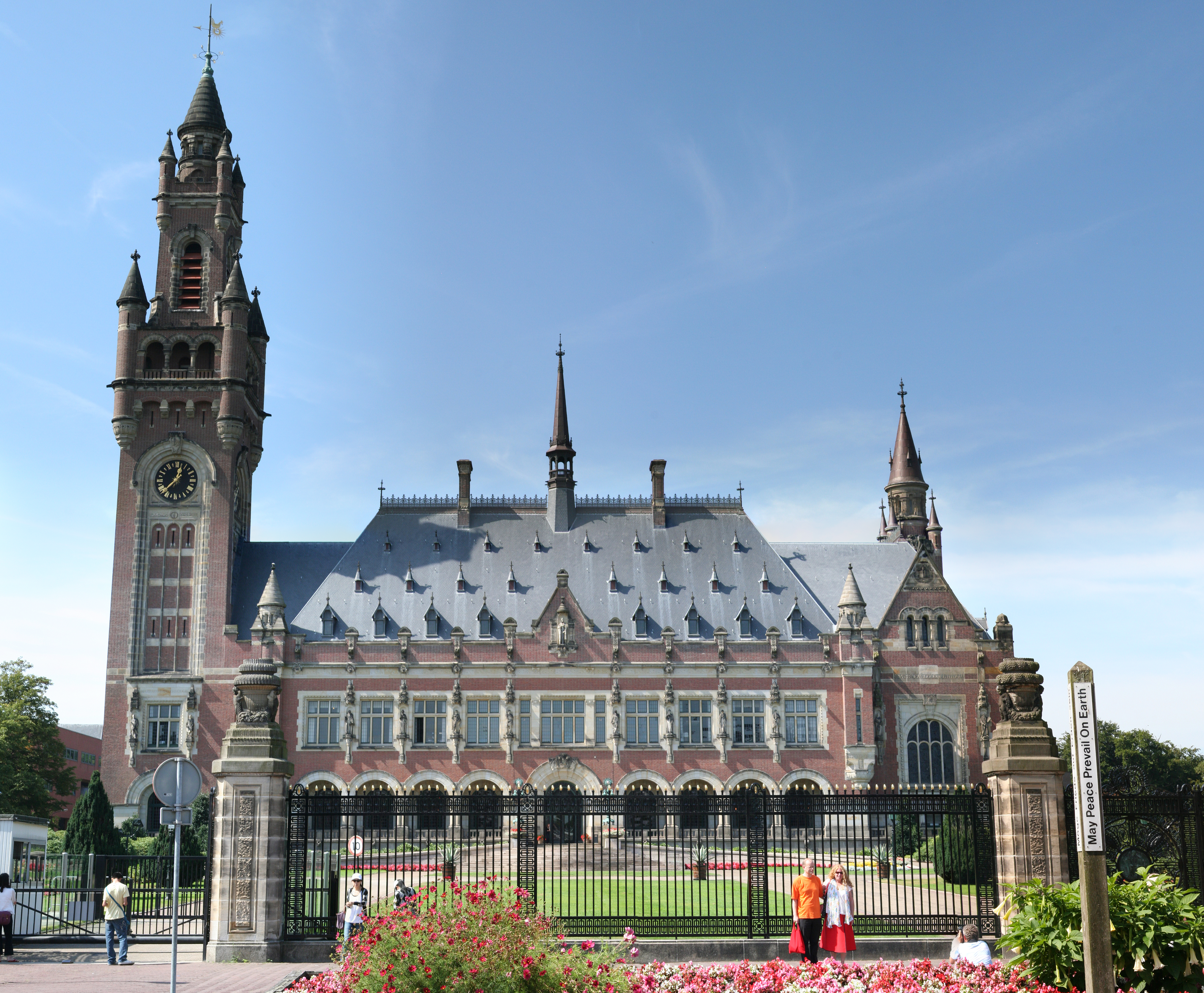
The International Court of Justice has ruled that Myanmar committed genocide against the Rohingya during its 2017 military operations in northern Rakhine State, delivering the first judgment in which the United Nations’ highest court has held a state responsible for genocide.
The final and binding ruling, delivered in The Hague on Thursday, 19 November 2026, found by nine votes to six that Myanmar breached the 1948 Genocide Convention. The court also found that the country failed to prevent genocide by people acting alongside its security forces and failed to punish those responsible.
Court finds genocidal intent
According to the UN Independent Investigative Mechanism for Myanmar, the judges concluded that Myanmar’s security forces committed genocide against the Rohingya during the 2017 clearance operations.
The 191-page judgment found that killings, serious bodily and mental harm, and measures intended to prevent births were carried out with the intent to destroy a substantial part of the Rohingya population in northern Rakhine State.
The court did not find that Myanmar had directly and publicly incited private individuals to commit genocide. That part of the case was rejected by fourteen votes to one.
Binding orders for Myanmar
The judgment requires Myanmar to cease continuing breaches of the Genocide Convention, introduce legislation giving full effect to its obligations, investigate and punish perpetrators, provide guarantees against repetition and make effective reparation to the Rohingya.
UN Secretary-General António Guterres said the decision was binding, final and without appeal. His statement said compliance should include safe, voluntary and dignified return, family reunification and measures to prevent further violations.
The court also found that Myanmar had failed to preserve evidence as required by provisional measures issued in January 2020 and had created obstacles to effective investigation and prosecution.
Myanmar rejects ruling
Myanmar’s government has rejected the judgment as “unfair”. A government official quoted by Reuters disputed the court’s conclusion. Myanmar has long denied committing genocide, maintaining that its forces were responding to an insurgency.
The judgment concerns Myanmar’s responsibility as a state. It is distinct from criminal proceedings against individuals: the International Court of Justice settles disputes between states and does not impose prison sentences.
The Gambia welcomes historic decision
The case was brought by The Gambia in November 2019 with support from the Organisation of Islamic Cooperation. In an official statement, President Adama Barrow’s government called the ruling a historic day for international justice and urged Myanmar to comply without delay.
UNHCR said more than 1.3 million Rohingya refugees remain displaced across the region, most of them in Bangladesh, while more than 100,000 are internally displaced in Myanmar. The agency said accountability was essential to creating conditions for citizenship and a safe, voluntary and dignified return.
Independent reporting by Reuters and the Associated Press confirms the judgment and its significance. Implementation now depends on Myanmar’s compliance and sustained international pressure, as the court has no police force of its own.
This is a developing report. It will be updated if Myanmar publishes a fuller official response or the court issues further implementation material.


