August 21, 2026 marks 40 years since the Lake Nyos disaster.
The catastrophe killed 1,746 people and thousands of animals.
Yet, four decades later, many victims remain without dignified burial sites or a lasting memorial.
The disaster continues to haunt families across Menchum in Ambazonia.
On the night of August 21, 1986, death arrived silently.
Families slept in Nyos, Cha and Su-Bum villages.
Children slept beside their parents.
Nobody heard an explosion.
Nobody saw death coming.
However, by dawn on August 22, the villages had fallen silent.
Bodies lay inside homes, along roads and across compounds.
The official death toll reached 1,746 people.
About 3,500 livestock also died.
An invisible cloud of carbon dioxide had swept through the area.
The gas displaced oxygen and suffocated people and animals.
Many victims died in their sleep.
The Night Nyos Changed Forever
Scientists later described the disaster as a limnic eruption.
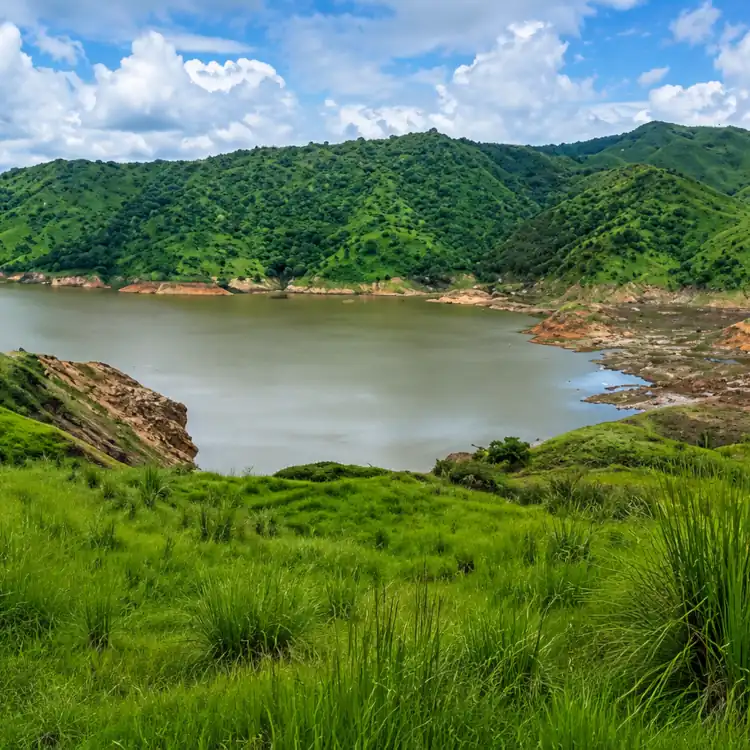
Lake Nyos released a massive quantity of carbon dioxide from its depths.
The exact trigger remains uncertain.
Some scientists suggested a landslide.
Others considered the possibility of volcanic activity beneath the lake.
The gas cloud moved rapidly across nearby communities.
Because carbon dioxide is heavier than air, it settled in valleys and lowlands.
It pushed oxygen away from the ground.
Therefore, victims had little chance to escape.
Scientific estimates put the amount of carbon dioxide released between 100,000 and 300,000 tons.
The disaster became one of the deadliest natural catastrophes in modern African history.
Natural Disaster or Hidden Crime?
The scientific community maintains that Lake Nyos suffered a natural limnic eruption.
Lake Monoun experienced a similar disaster in 1984.
That tragedy killed 37 people.
Nevertheless, other theories have survived for 40 years.
Some Cameroonians believe foreign military experiments caused the Nyos disaster.
Others allege possible collaboration with the Yaoundé regime.
Supporters of these theories cite alleged military activity and unusual events before and after the tragedy.
However, no scientific or documentary evidence has confirmed those claims.
International scientific investigations have continued to classify the disaster as natural.
No independent investigation has established that a military experiment occurred.
Yet, the persistence of such theories reflects deeper distrust.
For many survivors, unanswered questions have created space for suspicion.
Fai Yengo Francis and the Nyos Tragedy
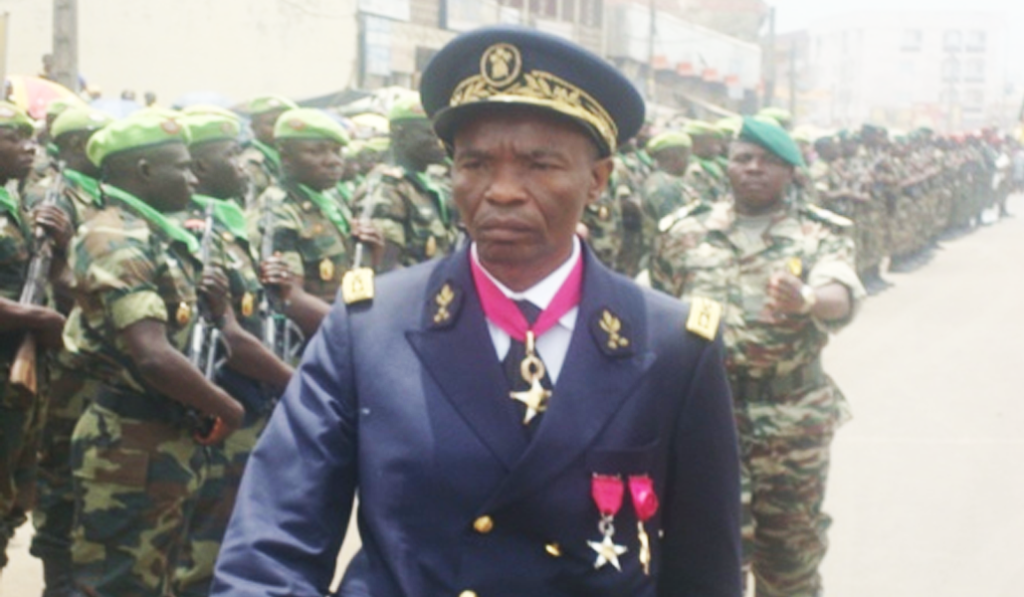
Fai Yengo Francis was the Senior Divisional Officer for Menchum during the disaster.
Records show he arrived in Nyos on August 22, 1986.
He helped supervise rescue and evacuation operations.
His political and administrative career later expanded.
He served as Governor of the Northwest Region, known in Ambazonia as the Northern Zone.
He later governed the Centre and Littoral Regions.
In December 2018, Paul Biya appointed him National Coordinator of the DDR Commission.
Meanwhile, some survivors and activists have raised allegations concerning relief aid and intimidation.
However, no independent investigation has verified those accusations.
No known court proceedings have established his responsibility for any alleged wrongdoing.
Forty Years Later, Memory Remains Abandoned
The Lake Nyos disaster displaced entire communities.
Many survivors never fully recovered.
Their descendants still carry the trauma.
Meanwhile, resettlement efforts remain incomplete.
Several facilities built after the disaster have also deteriorated or disappeared.
The ongoing Ambazonia conflict has further isolated communities around Lake Nyos.
Since 2016, violence and displacement have deepened the region’s suffering.
However, another painful question remains.
Where is the official memorial for the 1,746 victims?
Forty years later, Nyos still lacks a major national monument honouring the dead.
Many victims also lack clearly identified and dignified burial places.
Local survivors have repeatedly called for proper remembrance.
Yet, the Yaoundé regime has failed to create a lasting national memorial.
On August 21, 2026, survivors and local associations marked the anniversary.
They shared images and memories online.
However, the anniversary again exposed a painful reality.
A disaster that killed nearly 2,000 people has received limited national remembrance.
Lake Nyos Is Safer, But Memory Is Not
Scientists have installed degassing pipes in Lake Nyos.
The system reduces carbon dioxide trapped in the lake’s depths.
These pipes have become known as the Nyos organs.
Scientists continue monitoring the lake.
The technology aims to prevent another deadly gas release.
However, science cannot solve the human question.
The real struggle now concerns memory, dignity and accountability.
Forty years later, the dead cannot speak.
Yet the living continue to ask questions.
They want dignified burial sites.
They want a permanent memorial.
Above all, they want the 1,746 victims remembered.
Nyos remains calm today.
But beneath that silence lies one of Ambazonia’s darkest tragedies.
Forty years later, the lake has survived.
The survivors have survived.
Yet the dead are still waiting to be properly remembered.
By Lucas Muma l BaretaNews