
Cameroon’s National Assembly has experienced an unusually high number of lawmakers’ deaths in office since the 2020 legislative elections. Many seats now sit empty. Yet, despite laws meant to govern replacements, no by-elections have been held to fill these vacancies. This affects representation, local development, and democratic participation.
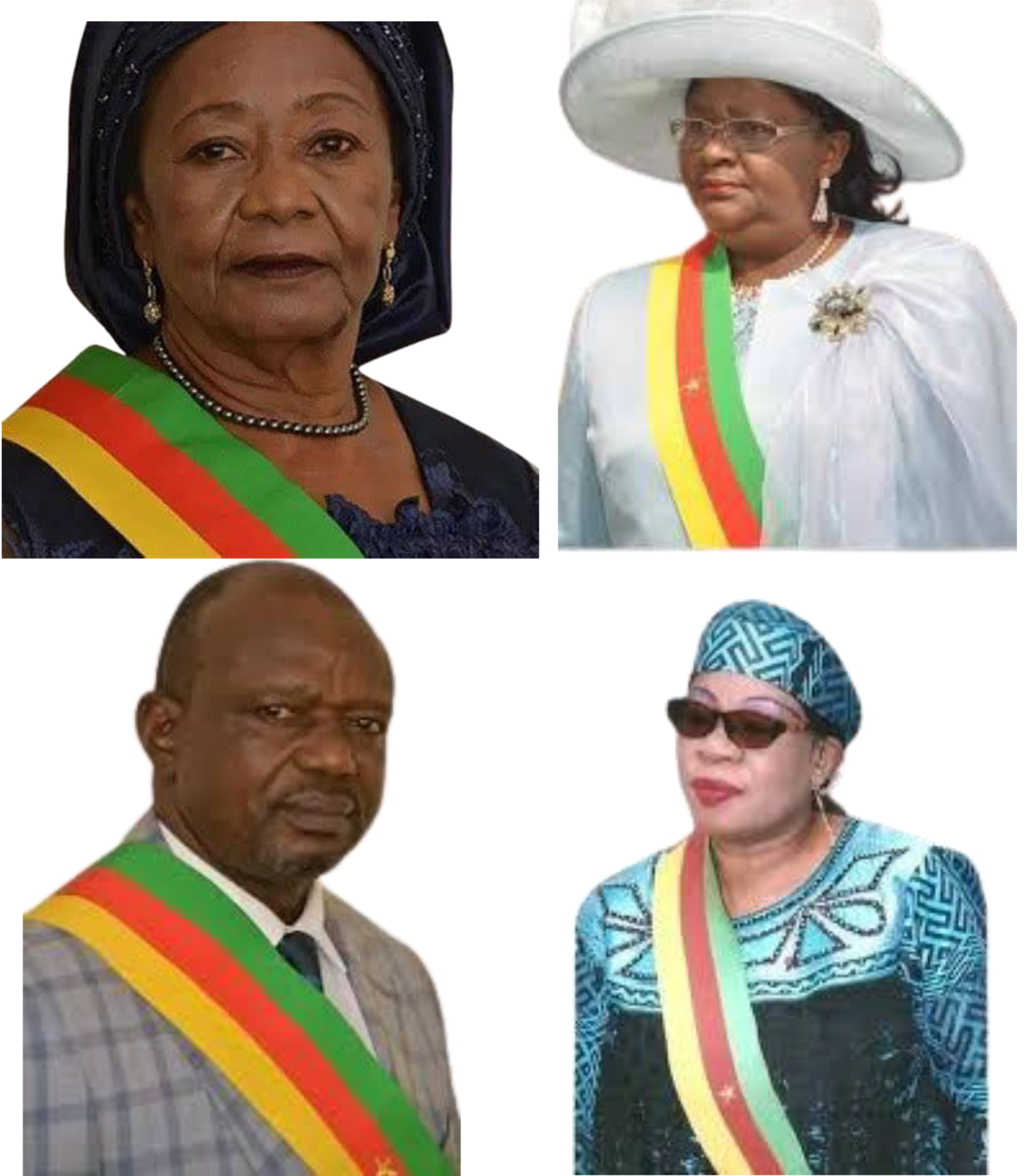
Recent reports and parliamentary records show that Cameroon has lost at least 20 Members of Parliament during the current legislature, which began with elections in March 2020. All are from the ruling Cameroon People’s Democratic Movement (CPDM).
Here are a few of them:
• Harouna Bougue – July 22, 2020
• Saraou Bernadette – August 9, 2020
• Yacouba Yaya – December 13, 2020
• Emilia Monjowa Lifaka – April 20, 2021
• Ngahane Isaac – August 1, 2021
• Memouna Mahamat – May 14, 2024
• Hon. Abe Michael – October 21, 2025
• Laurentine Koa Mfegue – January 22, 2026
• Faustine Fotso – February 5, 2026
The total reported number of deceased MPs since 2020 is 20.
What the Law Says on Replacing MPs
Cameroon’s Electoral Code contains rules on how to handle vacancies in elected positions:
• Article 155 says that when a seat becomes vacant due to death, resignation, or other reasons, a by-election must be held within 12 months to fill that seat.
• Alternate candidates are elected on the same list as the main MP. However, the law states alternates cannot automatically take over if the MP dies.
This means the only legal way to fill a seat after a death is through a by-election, not by automatic replacement.
Why the Law Has Not Been Applied
Despite clear legal provisions, by-elections to fill vacant seats have never been organised for MPs who died. Several reasons appear to explain this:
• The electoral body has not scheduled by-elections, even when deadlines passed.
• Some argue the government has been slow or unwilling to initiate the process.
• Frequent vacancies occur while election calendars remain heavy, especially as national elections approach.
In practice, this means seats remain vacant until the end of the mandate.
Challenges Constituencies Face When MPs Die
When an MP’s seat remains empty, the people in that constituency lose a key link to national decision-making. Some impacts include:
• No dedicated advocate in the National Assembly for local concerns.
• Delay in development projects tied to parliamentary influence or funding.
• Constituents may feel politically disenfranchised.
• Micro-projects or local funds linked to an MP may be left in limbo.
The loss of an MP without replacement leaves citizens with limited options to raise issues at the national level.
The Role and Importance of Members of Parliament
Members of Parliament play several crucial roles in every society. They speak for the people of their constituency in national policy debates. MPs propose, review, and vote on laws that affect the entire country. They monitor government actions to ensure accountability. MPs often influence or support local development and community projects.
The death of an MP means all these functions are weakened for that constituency. Constituents may struggle to access services, influence national decisions, or secure support for local priorities.
Cameroon’s National Assembly has lost nearly two dozen MPs since 2020. The law requires by-elections to fill seats left vacant by death. Yet these elections have not happened. Constituencies are left without full representation as the country approaches new elections. Unless the replacement process is enforced, this gap in representation will continue to weaken local voices in national affairs.
By Lucas Muma