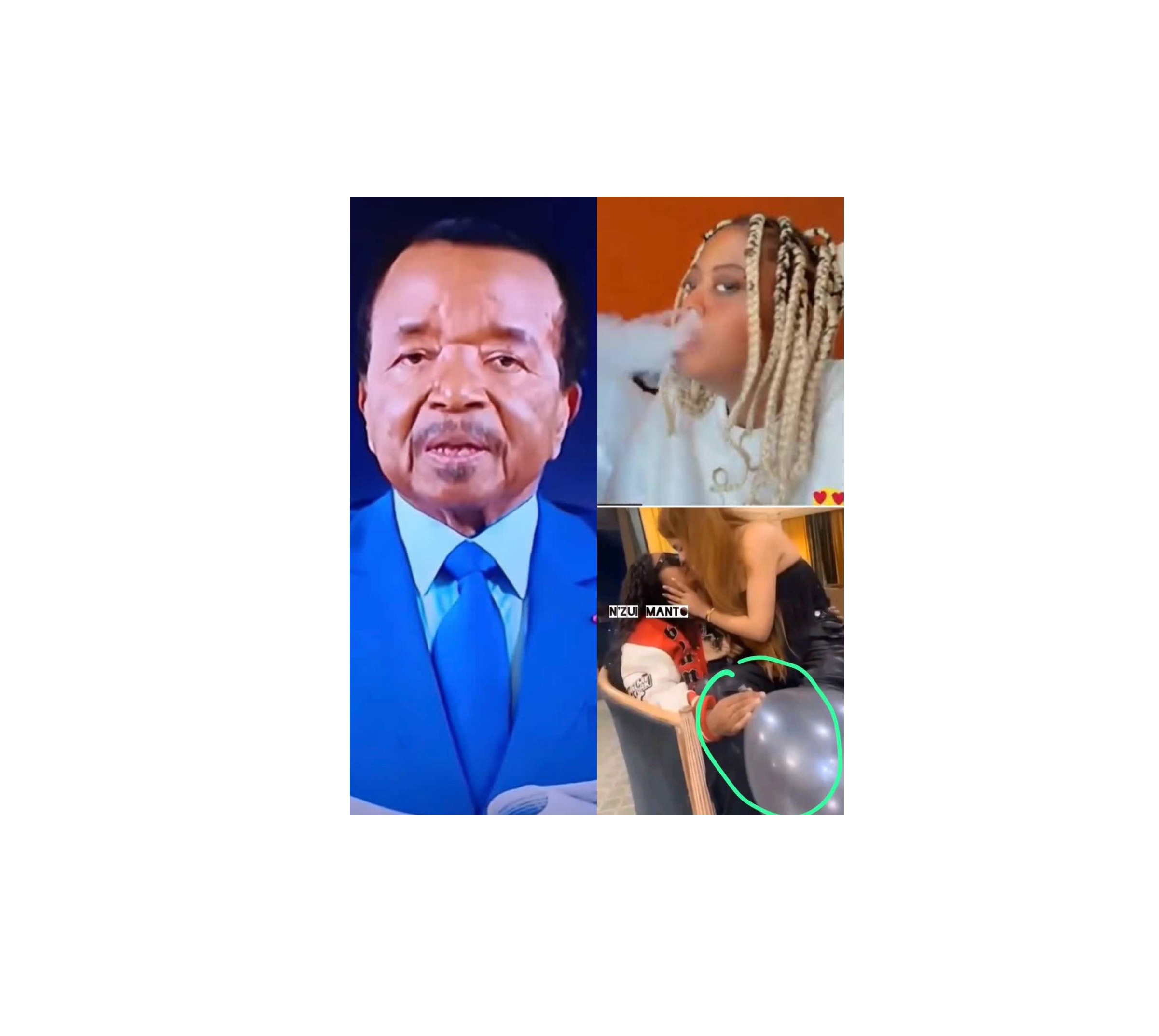

Paul Biya’s message to Cameroonian youths on February 10, 2026, was framed as a warning and a promise. He claimed to have given firm instructions to protect young people in school environments, especially young girls who face harassment. He urged youths to turn their backs on excesses and moral decline. On the surface, it sounded like a call for responsibility. In reality, it exposed a deep and unsettling contradiction.
Moral authority begins with example. A leader who speaks about discipline and protection must first demonstrate these values within his own circle. In Cameroon, this is where the message collapses. For decades, the ruling elite has lived above the law, surrounded by scandal, excess, and unchecked privilege. This reality is not hidden. It is widely known, openly discussed, and painfully visible to the same youths now being lectured.
When a system fails to instil values at the top, it cannot convincingly demand morality at the bottom. You cannot correct society by speeches alone, while impunity defines power. You cannot warn youths against excess when excess is rewarded in high places. You cannot claim concern for young girls while predators walk free because they are connected.
Cameroonian youths are not confused about right and wrong. They are frustrated by hypocrisy. They watch leaders speak about discipline while public funds are looted without consequence. They hear sermons about hard work while nepotism decides who succeeds. They see moral speeches delivered by a system that refuses to put its own house in order.
The issue is not that young people are losing themselves in excess. The issue is that the state has lost its moral compass. Harassment persists because justice is selective. Drug abuse spreads because enforcement is weak and compromised. Social decay grows because leadership has normalised lawlessness.
By shifting blame to the youths, the president avoids the real conversation. Moral decline in Cameroon did not begin in classrooms. It began in government offices. It began with leaders who speak one language and live another.
This is why such messages no longer inspire. They provoke anger. They deepen distrust. They remind youths that they are governed by speeches, not by example.
Cameroon’s youths do not need lectures. They need leadership that reflects the values it demands. Until that happens, every call to morality from the presidency will remain a speech spoken from a broken mirror, asking a generation to fix what its leaders have refused to correct.
By Lucas Muma