
Archive report: drafted on 13 November 2026 and first published online on 20 November 2026. The displayed article date preserves the original draft date; this report covers developments at that time.
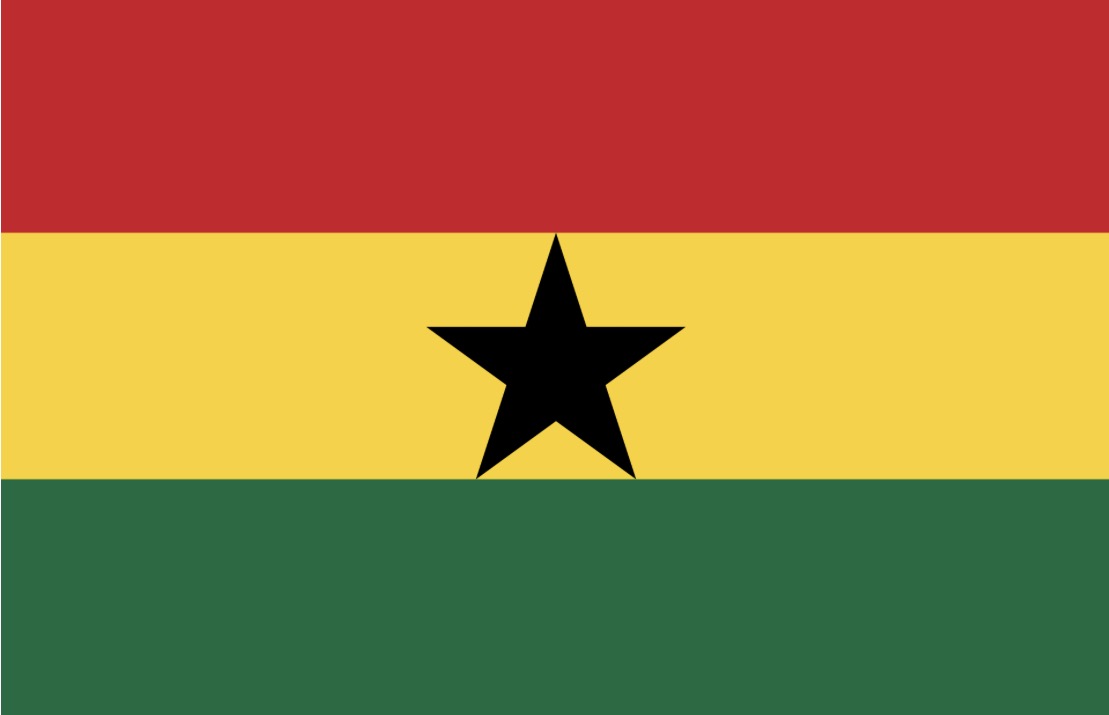
Featured image: Ghana’s national flag, used illustratively. Credit: Republic of Ghana / Theodosia Okoh, via Wikimedia Commons; public domain.
Ghana has set out a four-year, US$10 billion investment programme intended to expand domestic production, exports and employment as part of its 2027 national budget.
Finance Minister Cassiel Ato Forson presented the budget to Parliament on Thursday, 12 November, describing the “New Economy” programme as a domestically financed effort beginning in 2027.
Investment aimed at productive sectors
The programme will focus on commercial agriculture, energy infrastructure, technology, textiles and garments, and the local processing of critical minerals, according to Reuters’ report of the budget presentation.
The government says it will seek to preserve macroeconomic stability while providing infrastructure, preparing investable projects and creating more predictable conditions for businesses.
Growth, spending and public services
The budget projects economic growth of 5.2 per cent in 2027, compared with an estimated 4.8 per cent in 2026. It targets a cash fiscal deficit of 3.6 per cent of gross domestic product and inflation within a band of 8 per cent, plus or minus two percentage points.
The Ghana News Agency reported that the government allocated GH¢100.4 billion for capital expenditure, including GH¢88.4 billion in domestic financing. A separate GH¢28 billion is earmarked for the Big Push infrastructure programme.
The agency said the spending plan also includes allocations for roads, public transport, education, health facilities, social protection and youth employment. These are budget commitments and remain subject to parliamentary scrutiny, implementation capacity and future revenue performance.
Debt repayments after IMF programme
The 2027 plan is Ghana’s first full budget since completing a US$3 billion International Monetary Fund support programme. The government remains engaged with the IMF through a non-financing Policy Coordination Instrument.
Forson also announced plans for early repayments of domestic debt-exchange bonds and a restructured Eurobond. Reuters reported that the measures are expected to retire more than GH¢36 billion of debt ahead of schedule.
The budget now moves through Parliament, where lawmakers will examine the proposed spending and revenue measures before implementation.


