
Archive report: drafted on 13 November 2026 and first published online on 20 November 2026. The displayed article date preserves the original draft date; this report covers developments at that time.
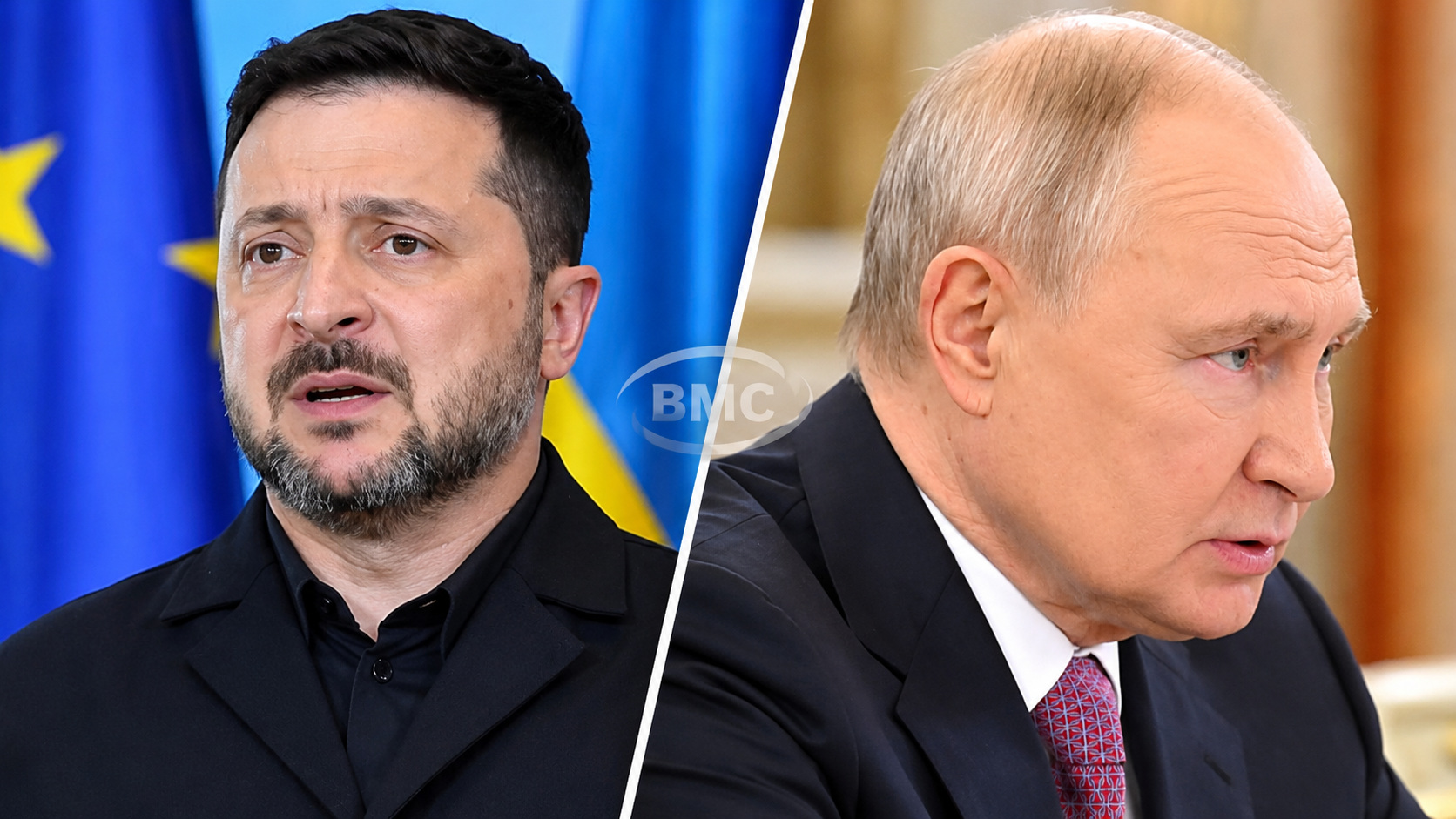
Featured image: editorial composite of Volodymyr Zelenskyy and Vladimir Putin. Illustration: Bareta Media & Communications C.I.C.; not a photograph of the Dublin summit or a meeting between the two leaders.
European leaders have placed the continent’s security and its role in efforts to end Russia’s war against Ukraine at the centre of talks in Dublin.
More than 40 leaders attended the ninth European Political Community summit in the Irish capital on Thursday, 12 November, under the theme “Europe — strong, secure and connected”.
Ukraine dominates the security agenda
The European Council said leaders discussed how to make the continent more secure, resilient and connected against the background of Russia’s war against Ukraine.
The meeting brought together European Union and non-EU countries, including the United Kingdom, as well as Ukrainian President Volodymyr Zelenskyy, Canadian Prime Minister Mark Carney and NATO Secretary-General Mark Rutte.
The Associated Press reported that the summit was dominated by Europe’s fragile security and renewed efforts to advance negotiations over the war.
EU leaders call for continued involvement
European Council President António Costa and European Commission President Ursula von der Leyen said in a joint statement after meeting Zelenskyy that the European Union would remain involved in the peace process.
They pledged continued financial and military support for Ukraine and said the EU was working on a viable post-war reconstruction plan and supporting Ukraine’s path towards membership of the bloc.
The statement represents the position of the EU institutions and their leaders. It is not itself a peace agreement, and Russia did not participate in the Dublin summit.
An influential forum without binding powers
The European Political Community was created in 2022 as a forum for countries inside and outside the EU to discuss shared challenges. Its meetings do not make binding decisions or normally produce formal declarations.
That limits the summit’s immediate legal effect, but it gives leaders a venue for direct discussions at a time when European governments are concerned about being sidelined in negotiations that could reshape the continent’s security.
The Dublin meeting took place ahead of an informal European Council gathering on Friday, 13 November.