
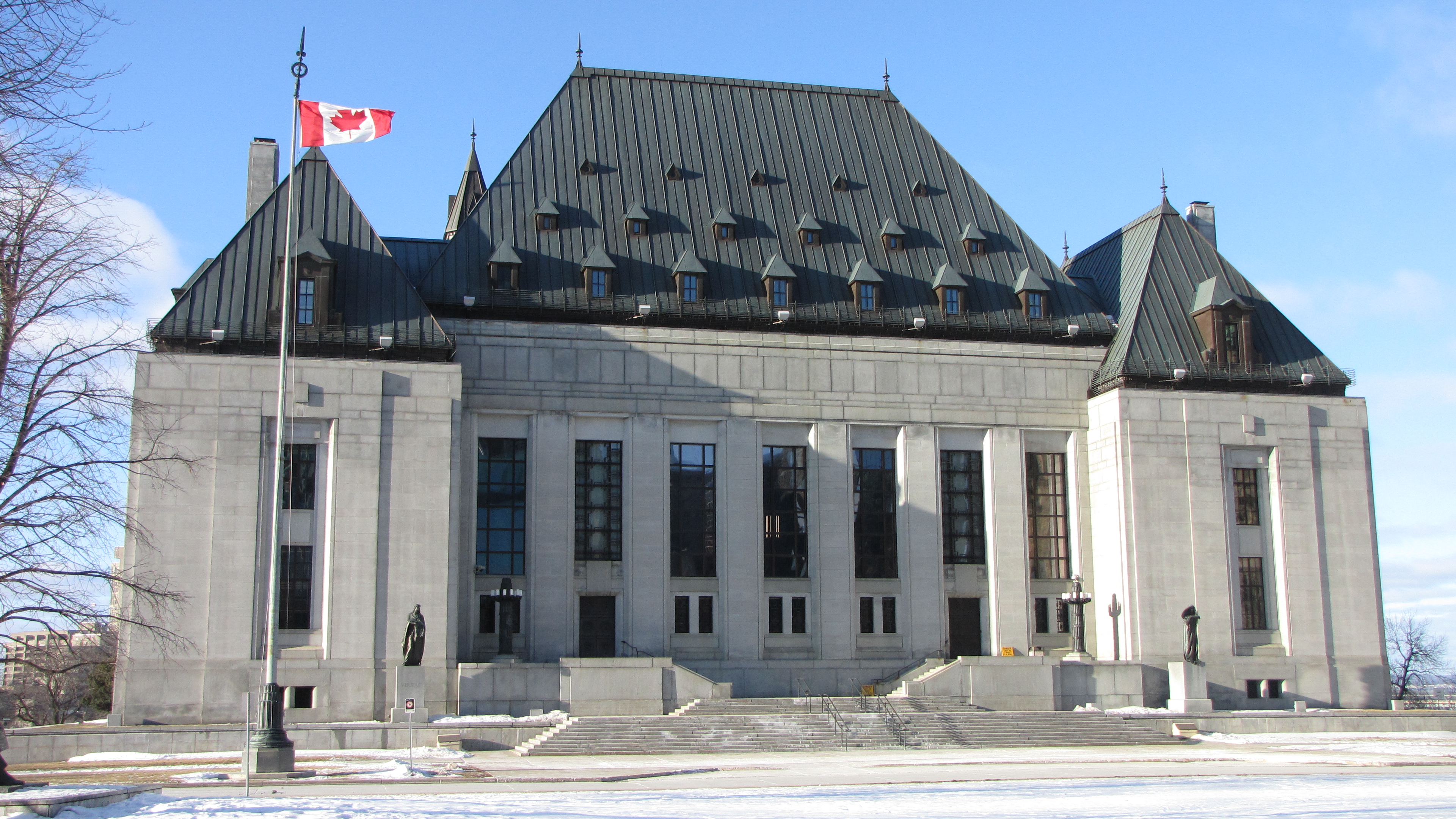

Canada’s highest court has upheld most of Quebec’s Bill 21, confirming the province’s use of the constitutional override while striking down its application to elected legislators who wear face coverings for religious reasons.
The Supreme Court of Canada has confirmed the broad validity of Quebec’s law restricting public employees in positions of authority from wearing religious symbols at work.
In its judgment on Friday, 27 November, the court ruled that Quebec validly invoked constitutional override provisions to shield much of the 2019 law from challenges based on certain rights and freedoms.
Most of Bill 21 remains in force
Bill 21 applies to groups including public-school teachers, police officers, judges and government lawyers. Religious symbols covered by the law include Muslim headscarves, Sikh turbans, Jewish skullcaps and Christian crosses.
The court’s official summary said the override power is subject only to limits expressly written into the Constitution. It also ruled that courts may still examine whether an overridden law is inconsistent with protected rights, even when the law remains in force.
The judgment dismissed the appeals and Quebec’s cross-appeal in English Montreal School Board v. Quebec (Attorney General), neutral citation 2026 SCC 41.
Exception for elected legislators
The court found that one provision infringed democratic rights by requiring members of Quebec’s National Assembly to uncover their faces.
That rule could prevent an elected representative whose religious beliefs require a face covering from sitting and participating in the legislature, the court said. Democratic rights under section 3 of the Canadian Charter cannot be displaced by the override clause in the same way as the rights Quebec invoked it against.
The court also rejected arguments that Bill 21 violated minority-language education rights or could be invalidated through the Charter’s guarantee that rights apply equally to men and women.
Ruling draws sharply divided reactions
The Associated Press reported that Quebec Premier Paul St-Pierre Plamondon welcomed the ruling as a victory for the province’s secularism policy.
Prime Minister Mark Carney said the federal government respected the court’s independence while stressing the importance of protecting minorities and vulnerable people. He said his government would not use the constitutional override.
Religious and civil-liberties organisations condemned the outcome. Reuters reported warnings from opponents that the law disproportionately harms Muslim women and weakens safeguards for fundamental rights.
The decision settles a major constitutional challenge but leaves the political dispute over Quebec’s model of state secularism unresolved.
Featured image: The Supreme Court of Canada building in Ottawa, photographed in 2010. D. Gordon E. Robertson / Wikimedia Commons, CC BY-SA 3.0.