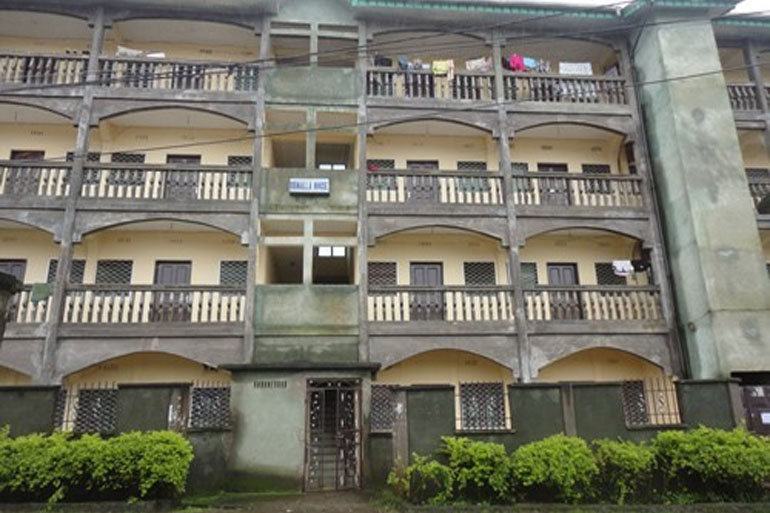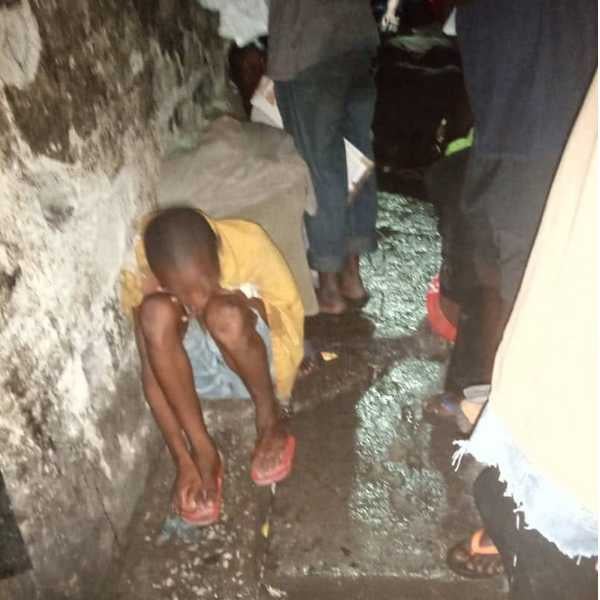

Prisoners in Cameroon now receive just 412 FCFA daily for food. Meanwhile, prisons operate at 177&of their intended capacity.
The midterm evaluation of the SND30 exposes a deepening crisis inside Cameroon’s prisons. The report says prisoners’ food conditions have deteriorated sharply.
According to paragraph 586, the food allowance fell to 412 FCFA per prisoner daily in 2024. The figure raises serious questions about human dignity and state priorities.
Prison food budget keeps falling
The allowance stood at 631 FCFA daily in 2021. It then fell to 431 FCFA in 2022 and 400 FCFA in 2023.
Although it increased slightly to 412 FCFA in 2024, the allocation remains far below the cost of basic food needs.
In four years, the allowance lost nearly one third of its nominal value. At the same time, food prices continued rising across Cameroon.
In major towns across Ambazonia and Cameroon, 412 FCFA can barely buy a basic meal. For many prisoners, that means depending on relatives for survival.
Overcrowding makes the crisis worse
The prison population has also increased dramatically. The SND30 report puts overall prison occupancy at 177.28% in 2024.
The occupancy rate stood at 157.5% in 2022. Meanwhile, the prison population reportedly rose from 19,455 inmates in 2021 to 36,836 by December 2024.
The Human Rights Commission of Cameroon reported a total of 37,150 inmates as of December 8, 2024. However, the official prison capacity stood at only 20,955 places.
Consequently, overcrowding places enormous pressure on food, water, sanitation, healthcare, and security.
In some facilities, several prisoners reportedly share spaces designed for far fewer people. Such conditions also increase the spread of malaria, tuberculosis, and other infections.
United Nations reports have documented complaints about both the quantity and quality of prison food. Some detainees reportedly receive only one meal each day.
Those meals often rely heavily on rice, cassava, and other starches. Protein remains limited.
Families keep prisoners alive
As state support declines, families increasingly fill the gap. They provide food, money, medicine, clothing, and other basic necessities.
However, not every prisoner has relatives who can provide support. Orphans, foreigners, isolated detainees, and poor families remain particularly vulnerable.
For such prisoners, 412 FCFA daily can mean persistent hunger and malnutrition. It can also weaken their immune systems and worsen existing health problems.
The United Nations has linked these conditions to the deteriorating quality of life among incarcerated people.
Pretrial detention fuels overcrowding
The prison crisis also reflects broader problems in Cameroon’s justice system. The SND30 report highlights abusive pretrial detention and judicial delays.
More than 70% of people deprived of liberty in Cameroon reportedly remain in pretrial detention. Many spend months or years behind bars without a final conviction.
The Human Rights Commission has repeatedly raised concerns over abusive detention and delays within the judicial system.
Meanwhile, prisons also face serious staff shortages. In some cases, one guard reportedly serves up to 1,000 inmates.
Cameroon falls short of Mandela Rules
Cameroon has ratified the Nelson Mandela Rules. These international standards require humane treatment, adequate food, healthcare, and decent detention conditions.
Yet the situation inside many prisons remains far from those standards.
Civil society groups, with European Union support, have tried to fill some gaps. The “It’s Worth It” initiative reportedly received 655 million FCFA to support food and healthcare for 6,000 prisoners.
However, such interventions cannot replace proper state policy. They only provide temporary relief to a much deeper problem.
A question of human dignity
The prison food crisis goes beyond the 412 FCFA figure. It raises questions about justice, punishment, and the value placed on human life.
The state controls the lives of people behind bars. It therefore carries a direct responsibility for their basic welfare.
Yet prisoners continue to face overcrowding, poor nutrition, inadequate healthcare, and prolonged detention.
The solution requires more than increasing food allocations. Cameroon must also address excessive pretrial detention and judicial delays.
It must expand prison capacity where necessary and introduce alternatives to incarceration. It must also strengthen prison staffing and independent oversight.
Ultimately, the question is not what 412 FCFA can buy. The question is whether a state should expect a prisoner to survive on it.
By Lucas Muma | BaretaNews