
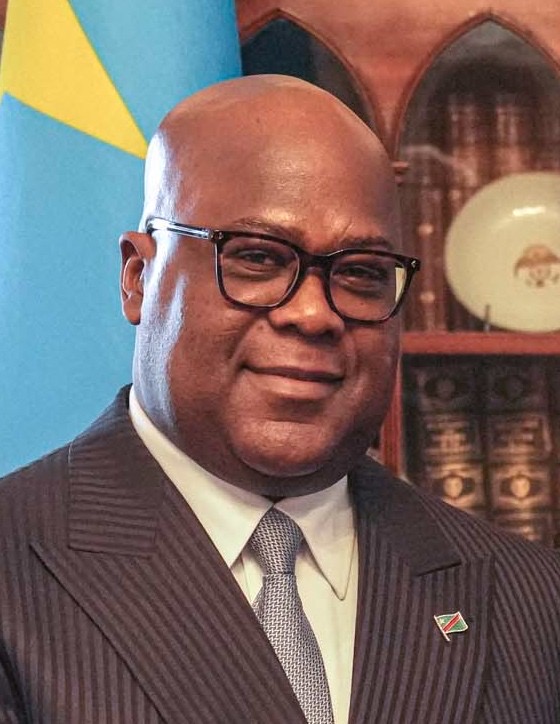
President Félix Tshisekedi has promulgated a law setting the rules for national referendums in the Democratic Republic of the Congo, prompting opposition warnings that it could be used to pursue constitutional changes. No referendum has been announced.
Law No. 26/045, dated 9 November 2026, was promulgated by presidential ordinance and announced on state television, according to the state-run Congolese Press Agency.
The development was also reported independently by Reuters and Africanews, carrying an Associated Press report.
What the law does
The new law establishes the framework for organising a referendum, including its possible subject, the procedure for initiating and convening a vote, campaign rules and offences connected with the process.
It does not itself amend the constitution, propose a specific constitutional change or set a date for a referendum. Those distinctions are important because the political dispute concerns what the mechanism might later be used to do, rather than a change already made.
Opposition voices raise term-limit concerns
Opposition figures have argued that the legislation could provide a route for changes affecting presidential term limits. That is an allegation about the law’s possible future use, not proof that a third-term proposal has been adopted.
DR Congo’s constitution limits the president to two five-year terms. Mr Tshisekedi, who began his second term in January 2024, is due to leave office in 2028 under the existing provisions.
Reuters reported that the president said in May that he had not sought a third term, while adding that he would accept one if the Congolese people wanted him to continue. No referendum question or timetable has been formally announced.
What happens next
The promulgation creates a legal procedure through which a national vote could be organised. Any proposed referendum would still require a separate initiative and formal convening, with the wording and legal basis subject to scrutiny.
BaretaNews will distinguish any confirmed constitutional proposal from political claims as the situation develops.


