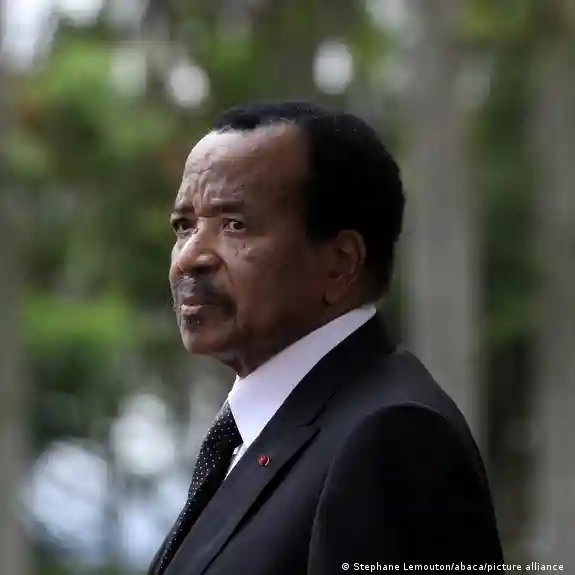
Cameroon is at a pivotal moment in its electoral calendar. Today, Monday, February 9, 2026, is widely seen as the last lawful deadline for President Paul Biya to issue a decree convening the electorate and scheduling the country’s legislative and municipal elections ahead of the legal deadline tied to the start of Parliament’s ordinary session on March 10, 2026.
This deadline draws attention amid ongoing debate over the electoral timetable and legal requirements. Analysts and political actors are watching closely, with some already suggesting the president may delay the elections again to extend the term of current lawmakers and municipal officials.
Background on Election Postponement
Cameroon’s legislative and municipal elections were originally scheduled for February 2025, when both the National Assembly and municipal councils completed their five-year terms. In July 2024, President Paul Biya signed a presidential decree extending the mandates of local and national elected officials into 2026. The decree pushed the expiry of municipal councils’ terms from February 25, 2025, to May 31, 2026, and extended the National Assembly’s term until March 30, 2026. The government said the shift would help manage an overloaded electoral calendar that includes presidential, regional, municipal, and legislative votes.
Legal Basis for Extensions
The Constitution of Cameroon and the Electoral Code provide the legal framework for extending the terms of elected officials under certain conditions:
• Article 15(4) of the Constitution allows the President to extend or shorten the term of National Assembly members by law when serious circumstances or national needs justify such action, provided there is consultation with the President of the Constitutional Council and the leadership of Parliament. The law then determines how and when elections must occur.
• Article 179 of the Electoral Code grants the President authority to extend or shorten the mandate of municipal councillors in cases of necessity. However, the code caps extensions at 18 months.
Under the July 2024 decree, municipal mandates were extended by 15 months, within the legal cap. The law would allow an additional three-month extension at most, which could push the end of municipal mandates to August 31, 2026. Without this additional extension, elections must be held at least 20 days before the expiry of the current mandates, setting the municipal election deadline for May 10, 2026.
For legislative elections, there is no statutory limit on extending the term of MPs under Cameroon’s legal framework. In practice, however, the country has historically synchronised municipal and legislative polls, often holding them simultaneously for administrative ease.
Electoral Code Timelines

According to the Electoral Code, once the deadline for ending a mandate approaches, the President must convene the electorate by decree, calling elections no later than 20 days before the end of the current term or an extended term. For municipal councils whose extended term expires on May 31, 2026, the convocation decree should theoretically be issued by February 9, 2026, making today (February 9) the final legal day.
For legislative elections, the Constitution and electoral law require that elections take place between 40 and 120 days after the end of the mandate of sitting Members of Parliament, meaning legislative polls could occur between May and July 2026 without further extensions.
Observers say the next 24 to 48 hours will be decisive for Cameroon’s electoral calendar and legal compliance ahead of the expected legislative and municipal polls.
By Lucas Muma